Films
3 films
About Ellinor Vanderveer
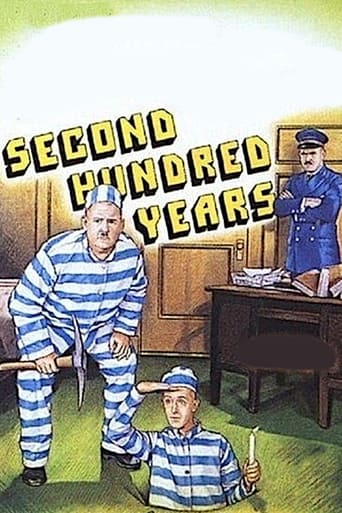
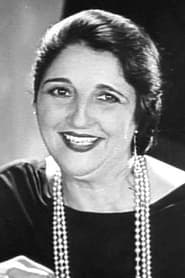
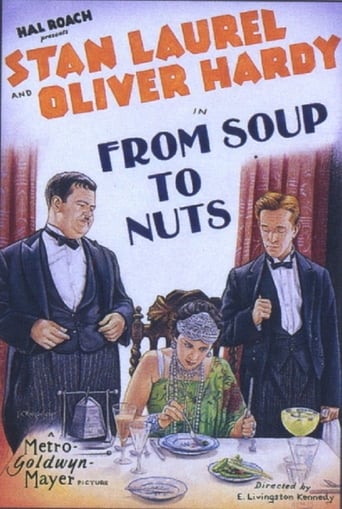
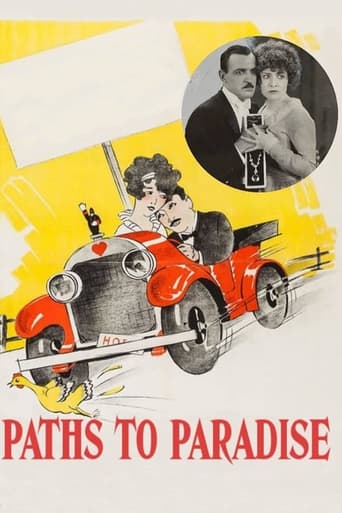
The 1925 film Paths to Paradise is the only title linked here for Ellinor Vanderveer. She played supporting roles in several notable films of the period, often cast as society women, mothers, or other character parts that required a mature, dignified presence. Her filmography includes appearances in 'Paths to Paradise' (1925), 'The Second 100 Years' (1927), and 'From Soup to Nuts' (1928), which were among the popular comedies of their time. Vanderveer worked with various comedy stars and production companies during Hollywood's vibrant silent period, contributing to the golden age of silent comedy. While her career was relatively brief and she never achieved leading lady status, she was a reliable character actress who brought authenticity to her supporting roles. Her performances, though not extensively documented, were part of the fabric that made silent-era comedies so beloved by audiences of the time.
The Craft
On Screen
Ellinor Vanderveer was known for playing dignified society women and maternal figures in silent comedies. Her acting style was typical of the period, emphasizing expressive facial gestures and body language to convey emotion and character without dialogue. She brought a sense of authenticity to her supporting roles, often serving as a straight character to the comedic leads. Her performances were characterized by a refined presence that contrasted effectively with the slapstick elements of the comedies she appeared in.
Milestones
- Appeared in 'Paths to Paradise' (1925)
- Supporting role in 'The Second 100 Years' (1927)
- Cast in 'From Soup to Nuts' (1928)
- Worked in Hal Roach comedy productions
- Contributed to silent-era comedy landscape
Best Known For
Iconic Roles
Must-See Films
Working Relationships
Worked Often With
Studios
Why They Matter
Impact on Culture
Ellinor Vanderveer, while not a major star, contributed to the silent-era comedy as a reliable supporting actress. Her appearances in films alongside comedy legends helped create the authentic worlds that made silent comedies so engaging to audiences of the 1920s. As part of the ensemble casts in productions like those from Hal Roach Studios, she played a role in establishing the comedy templates that would influence generations of filmmakers. Her work represents the contributions of the many talented character actors who were essential to Hollywood's silent film success.
Lasting Legacy
Ellinor Vanderveer's legacy lies in her contribution to the golden age of silent comedy, where she helped bring authenticity to supporting roles that grounded the more outrageous comedic elements. While she may not be remembered by name by modern audiences, her performances survive as part of the historical record of silent cinema. Her work in films like 'Paths to Paradise' and the Hal Roach productions preserves a piece of Hollywood's comedy heritage for film historians and enthusiasts to study and appreciate.
Who They Inspired
As a supporting actress in the silent era, Ellinor Vanderveer's direct influence on subsequent generations of performers is difficult to trace, but she was part of the tradition of character acting that has always been essential to comedy filmmaking. Her approach to playing society women and maternal figures with dignity and authenticity set an example for how supporting roles could enhance rather than detract from the main comedic elements of a film.
Off Screen
Very little documented information is available about Ellinor Vanderveer's personal life, which is not uncommon for supporting actors from the silent era who did not achieve major stardom. Like many character actresses of her time, her life story was not extensively recorded in contemporary press or film industry publications.
Did You Know?
- Ellinor Vanderveer appeared in three known films between 1925-1928
- She worked primarily in comedy productions during the silent era
- Her filmography includes work with major comedy production companies
- She often played society women and maternal figures
- Her career coincided with the transition from silent films to talkies
- Like many supporting actors of her era, detailed biographical information is scarce
- She was part of the ensemble casts that made silent comedies memorable
- Her performances survive as examples of silent-era supporting character acting
Frequently Asked Questions
Who was Ellinor Vanderveer?
American actress who worked during the silent film era of the 1920s, primarily appearing in comedy productions as a supporting actress playing society women and maternal figures.
What films is Ellinor Vanderveer best known for?
Titles linked here include Paths to Paradise (1925), The Second 100 Years (1927).
When was Ellinor Vanderveer born and when did she die?
Exact birth and death dates for Ellinor Vanderveer are not documented in available historical records, which is common for supporting actors from the silent era who did not achieve major stardom.
What awards did Ellinor Vanderveer win?
There are no documented awards or honors for Ellinor Vanderveer, which was typical for supporting character actors during the silent film era when formal recognition systems were limited.
What was Ellinor Vanderveer's acting style?
Vanderveer specialized in playing dignified society women and maternal figures in silent comedies, using expressive facial gestures and body language typical of the era to convey character without dialogue.