
From Soup to Nuts
"Laurel and Hardy serve dinner they cannot handle"
Keys: Space play/pause · ←/→ 10s · F fullscreen · M mute · </> speed
About this film
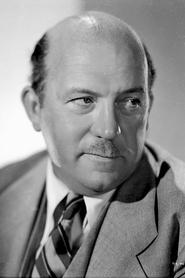
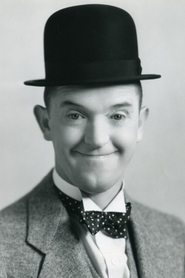
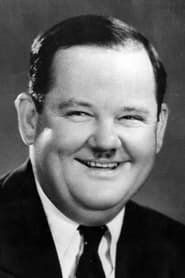
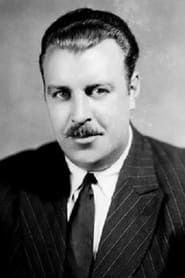
Inexperienced waiters (Laurel & Hardy) are hired for a swank dinner party.
Cast & crew
More films like this
More Comedy films
View all →







More from Edgar Kennedy
View all →
More about this film
About the production
Release dateApril 21, 1928
ProductionHal Roach Studios
Filmed inHal Roach Studios, Culver City, California
This was one of the early Laurel and Hardy shorts where their classic comedic partnership was being refined. The film was shot during the transition period from silent films to talkies, though it was released as a silent comedy. Edgar Kennedy, who directed this film, was a regular supporting actor in Laurel and Hardy films and was part of their stock company of character actors. The dinner party set was constructed specifically for this production and was designed to be easily destroyable for the chaotic finale.
Themes
Class conflict and social hierarchyIncompetence in professional settingsThe chaos that ensues when order breaks downFriendship and loyalty in the face of disasterThe absurdity of social conventions
Themes & topics
waitersdinner partyincompetencechaosfood fightphysical comedysilent filmshort filmdestructionemploymentmistakesescalation
Historical background
Made during the silent-to-sound transition near 1928, From Soup to Nuts reached audiences through theatrical programs, fairground booths, or specialized distribution channels typical of its generation. Inexperienced waiters (Laurel & Hardy) are hired for a swank dinner. Historians now read such works for what they reveal about production methods, national taste, and the expanding vocabulary of screen narrative.
Why this film matters
Archivists and programmers still screen From Soup to Nuts when tracing how popular entertainment evolved. Its subject—inexperienced waiters (laurel & hardy) are hired for a swank dinner—gives later viewers tangible evidence of what drew crowds in the silent period. Home video, restorations, and festival sidebars keep the title circulating among students of film history.
Making of
The production of 'From Soup to Nuts' took place during a pivotal time at Hal Roach Studios when the studio was experimenting with different formats for comedy shorts. Director Edgar Kennedy, typically known for his slow-burn comedic performances as an actor, brought a unique perspective to the pacing of the physical comedy. The famous soup-spilling sequence required multiple takes to perfect the timing, with Stan Laurel and Oliver Hardy having to rehearse the choreography extensively. Anita Garvin, playing the society hostess, had to maintain her composure through multiple takes of the chaotic scenes, which proved challenging given the physical nature of the comedy. The set design was crucial to the film's success, with the dining room constructed to allow maximum destruction while maintaining the illusion of an elegant setting. The film's climax, featuring an all-out food fight, was among the leading elaborate sequences in a Laurel and Hardy short up to that point.
What critics said
Original trade coverage treated From Soup to Nuts as routine program filler rather than a landmark production—typical of steady studio output. Later criticism emphasizes preservation, stylistic comparison with contemporaries, and whatever cast or crew names later gained prominence. Contemporary writing is mostly historical: assessing completeness, influence, and place in a director's or studio's catalog.
Did you know?
- This was one of the few Laurel and Hardy films directed by Edgar Kennedy, who usually appeared as an actor in their films rather than directing them.
- The film features the debut of Anita Garvin as a recurring character in Laurel and Hardy films, appearing as Mrs. Culpepper.
- The soup-spilling scene became among the leading referenced gags in comedy history and was later homaged in numerous films and television shows.
- This was released during the height of the silent film era, just before the transition to sound films would revolutionize Hollywood.
- The original working title was 'The Waiters' before being changed to the more whimsical 'From Soup to Nuts'.
- The film was shot in just three days, typical of the rapid production schedule of Hal Roach comedy shorts.
- The dinner party scene required 75 extras to play the guests, all of whom had to be carefully choreographed for the chaotic finale.
- The film was one of Laurel and Hardy's most popular shorts of 1928 and helped cement their status as a major comedy duo.
- The broken dishes in the film were real porcelain, not props, making the cleanup after filming particularly challenging.
- This short was included in the original Laurel and Hardy film package that was distributed internationally, helping establish their global popularity.
Visual style
The cinematography by George Stevens employs wide shots to capture the full scope of the dining room chaos, allowing audiences to appreciate the carefully choreographed destruction. The camera work is notably steady during the most chaotic sequences, providing a clear view of the physical comedy without the shaky camera work that would later become common in action scenes. The lighting design creates the illusion of an elegant, well-lit dining room while ensuring that all the comedic action remains visible. The film uses medium close-ups effectively to capture Laurel and Hardy's reactions to the disasters they create, a technique that became a hallmark of their films. The cinematography successfully balances the need to show both the broad physical comedy and the subtle facial expressions that made the duo so beloved.
Innovations
While 'From Soup to Nuts' doesn't feature groundbreaking technical innovations, it demonstrates the mastery of silent film techniques at their peak. The film's use of continuity editing during the chaotic sequences maintains clarity despite the complexity of the action. The practical effects, particularly the destruction of the dinner set, were executed with precision and timing that would be difficult to replicate in modern CGI-heavy productions. The film showcases the sophisticated understanding of comedic timing that had developed in silent cinema, with editing rhythms perfectly matched to the physical comedy. The sound stage construction allowed for multiple camera angles during the dinner party sequence, a technical achievement that enhanced the visual storytelling of the chaos.
Music
As a silent film, 'From Soup to Nuts' was originally accompanied by live musical performances in theaters. The typical score would have included popular songs of the era, classical pieces, and specially composed mood music to enhance the comedy. The Hal Roach Studios often provided suggested musical cues with their films, recommending specific pieces for different scenes. For the dinner party sequences, elegant classical music would have been used to contrast with the chaos, while more upbeat, frantic music would accompany the physical comedy. Modern releases of the film typically feature newly composed scores or compilations of period-appropriate music, with some versions including sound effects to enhance the impact of the physical gags.
Famous quotes
(Stan, after spilling soup) 'I'm sorry, madam. It slipped.'
(Ollie, to Stan) 'Why don't you use your head for something besides a hat rack?'
(Mrs. Culpepper) 'You two are the most incompetent waiters I have ever seen!'
Memorable scenes
- The escalating disaster sequence where Stan and Ollie attempt to serve soup, resulting in a chain reaction of spills, broken dishes, and guest complaints that culminates in an all-out food fight destroying the elegant dinner party.
What audiences thought
The film was enormously popular with audiences in 1928, playing to packed houses in theaters across America and internationally. Audience reaction reports from the period indicate that the food fight sequence generated some of the biggest laughs of any comedy short that year. The film's success led to increased demand for Laurel and Hardy films, resulting in higher budgets and more elaborate productions for their subsequent shorts. In later years, the film became a staple of revival theaters and television retrospectives of classic comedy, introducing new generations to the duo's work. Modern audiences continue to respond enthusiastically to the film's timeless humor, with the dinner party sequence remaining among the leading shared and referenced moments in Laurel and Hardy's filmography.
Film connections
Influenced by
- Earlier comedy shorts by Charlie Chaplin
- Buster Keaton's engineering of physical comedy
- Harold Lloyd's escalation gags
- Mack Sennett's slapstick tradition
- Vaudeville comedy routines
This film influenced
- The Music Box (1932)
- Sons of the Desert (1933)
- A Night at the Opera (1935)
- The Party (1968)
- Dinner for Schmucks (2010)
Film restoration
The film is preserved in the Library of Congress collection and has been restored by the UCLA Film and Television Archive. Multiple high-quality versions exist, including those released by The Criterion Collection and Kino Lorber. The film has survived in excellent condition compared to many silent shorts of the era, with complete reels and minimal deterioration. Digital restorations have been completed, ensuring the film's preservation for future generations.
Where to watch
- Available on Blu-ray and DVD in 'The Laurel & Hardy Collection' from Criterion
- Streaming on The Criterion Channel
- Available on Amazon Prime Video
- Included in the 'Laurel and Hardy: The Essential Collection' DVD set
- Available for purchase or rental on iTunes
- Featured on various classic film streaming services