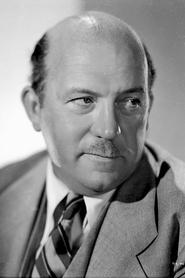
Edgar Kennedy
Actor & Director
Born: April 26, 1890 in Monterey, California, USA Died: November 9, 1948 Active: 1913-1948 Birth Name: Edgar Livingston Kennedy
Films
43 films
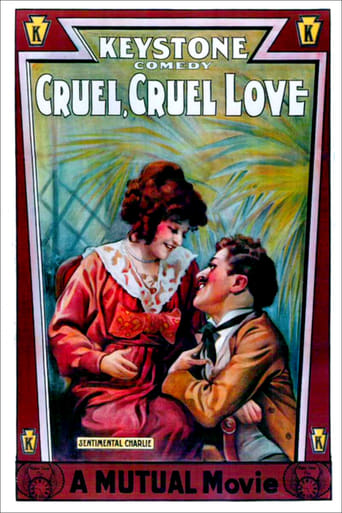
Cruel, Cruel Love
1914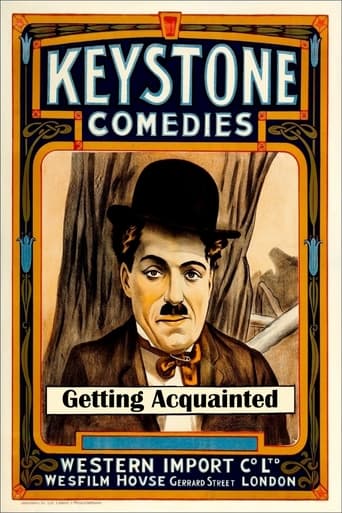
Getting Acquainted
1914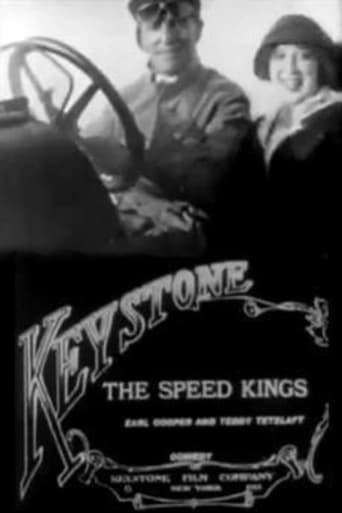
The Speed Kings
1913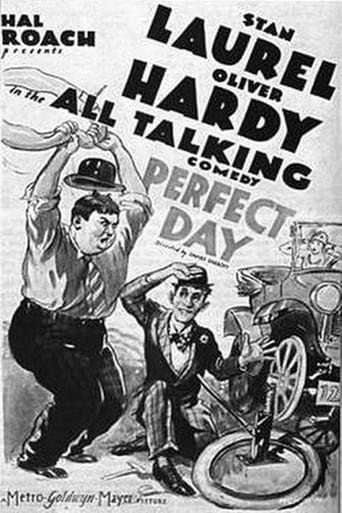
Perfect Day
1929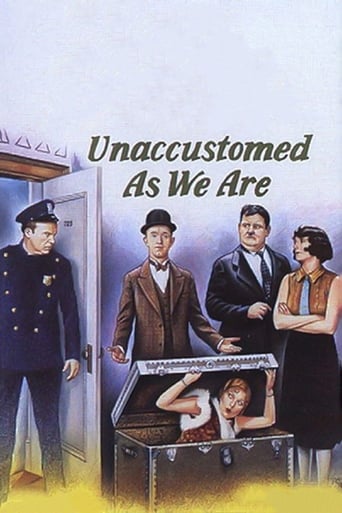
Unaccustomed as We Are
1929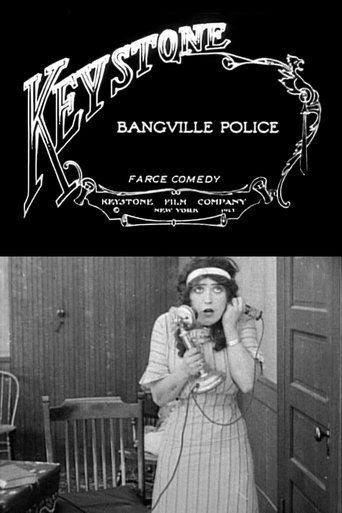
Bangville Police
1913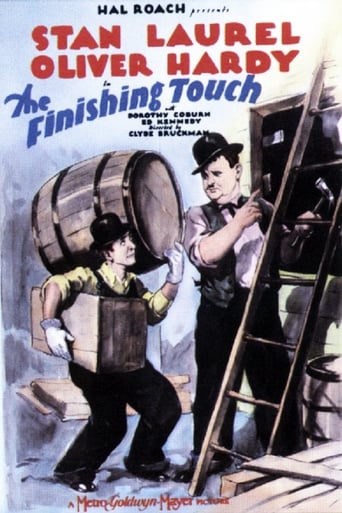
The Finishing Touch
1928
The Knockout
1914
Bacon Grabbers
1929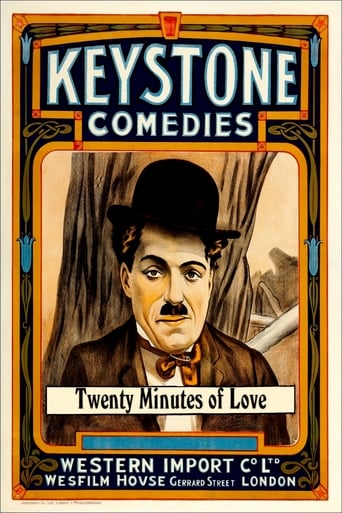
Twenty Minutes of Love
1914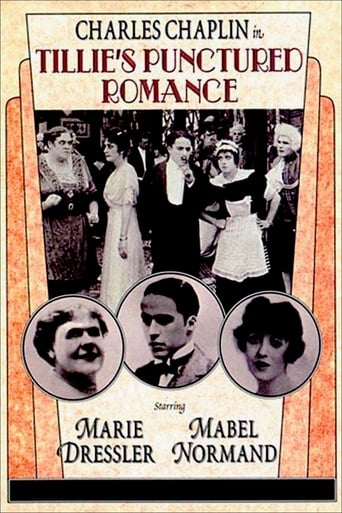
Tillie's Punctured Romance
1914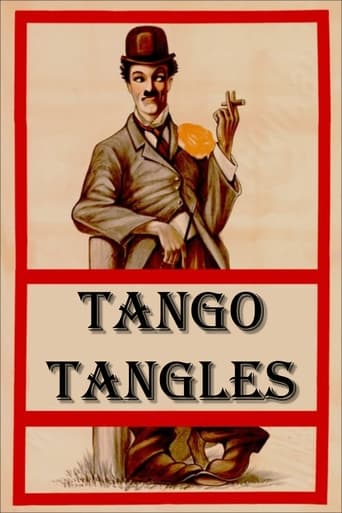
Tango Tangles
1914
Gentlemen of Nerve
1914
The Star Boarder
1914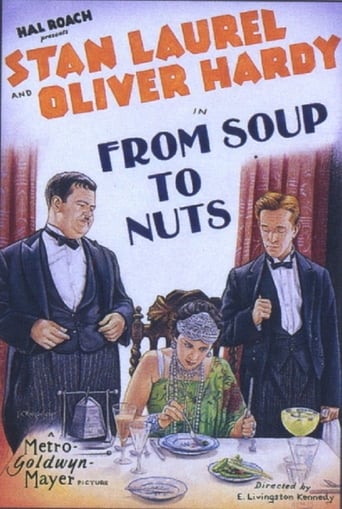
From Soup to Nuts
1928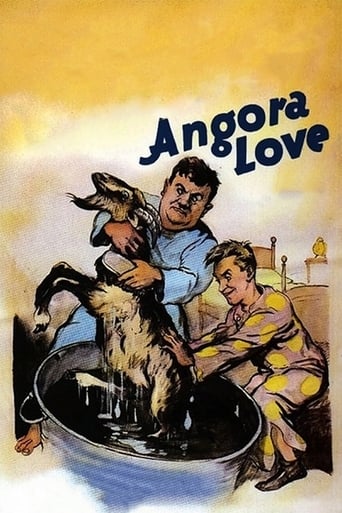
Angora Love
1929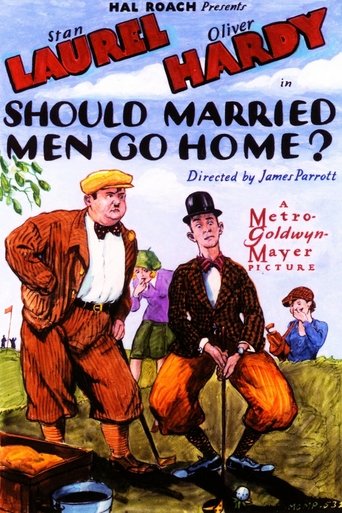
Should Married Men Go Home?
1928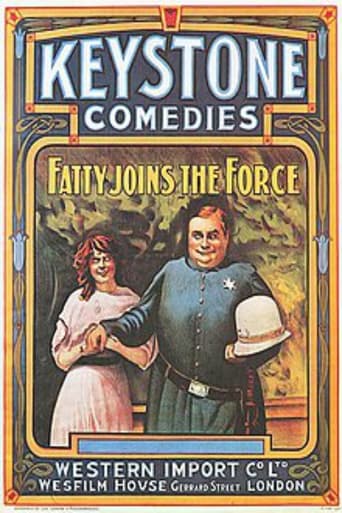
Fatty Joins the Force
1913
Peeping Pete
1913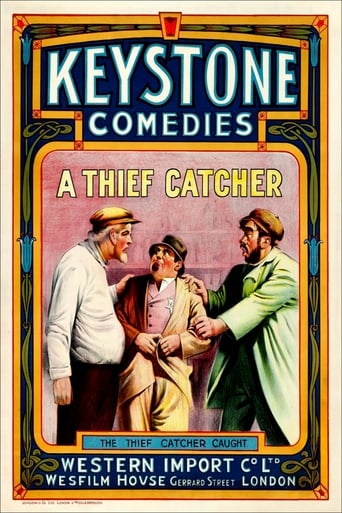
A Thief Catcher
1914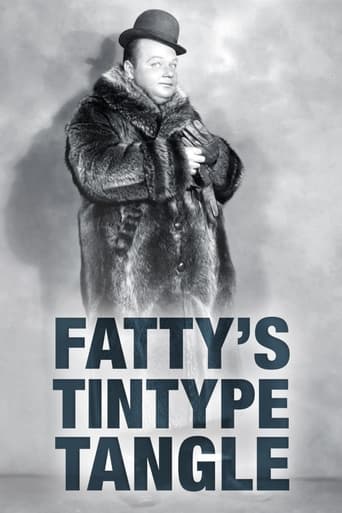
Fatty's Tintype Tangle
1915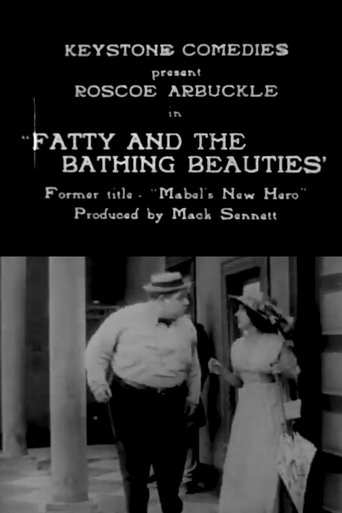
Mabel's New Hero
1913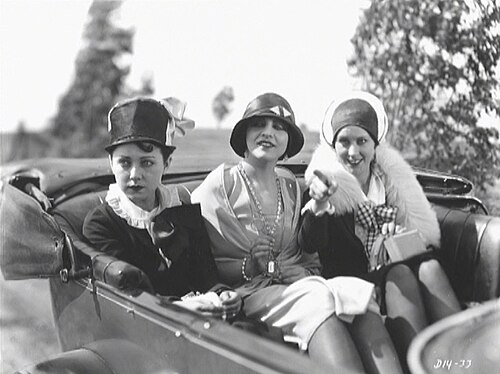
Feed 'em and Weep
1928No Poster
Going Ga-Ga
1929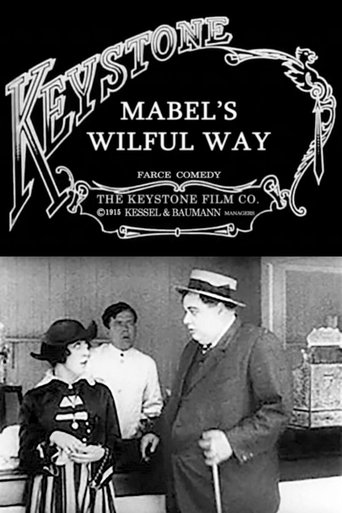
Mabel’s Wilful Way
1915
A Flirt's Mistake
1914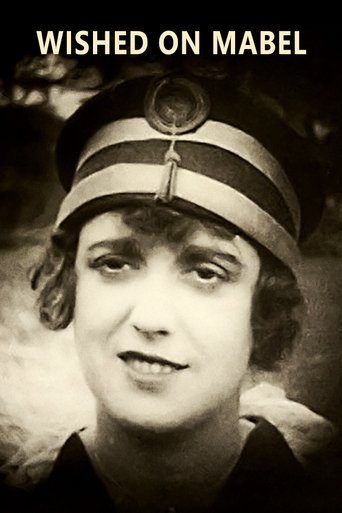
Wished on Mabel
1915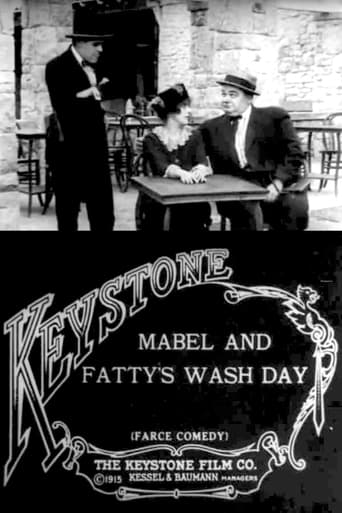
Mabel and Fatty's Wash Day
1915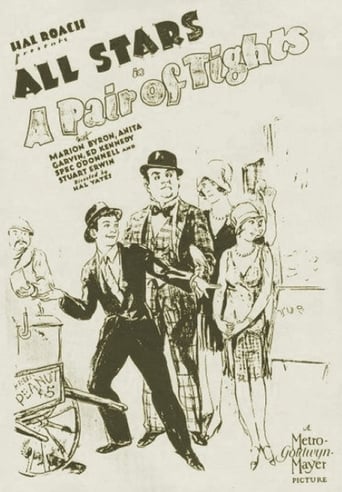
A Pair of Tights
1929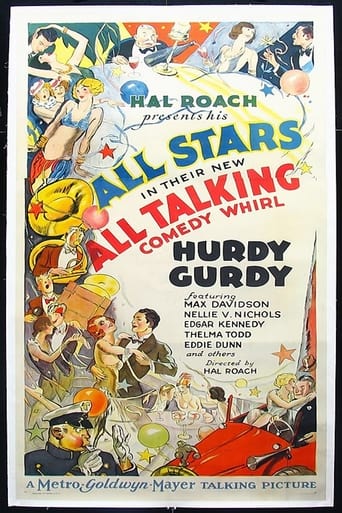
Hurdy Gurdy
1929
Wall Street Blues
1924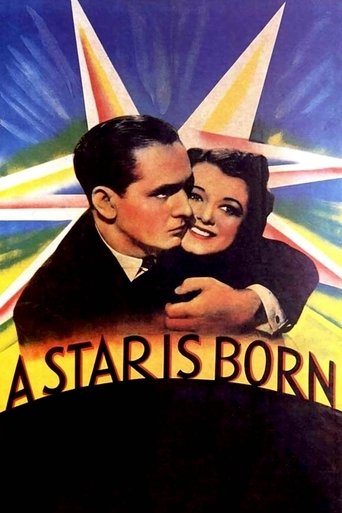
A Star Is Born
1937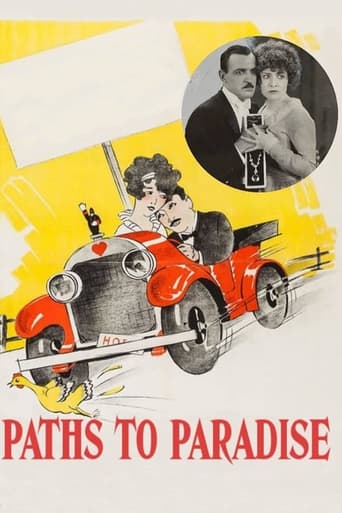
Paths to Paradise
1925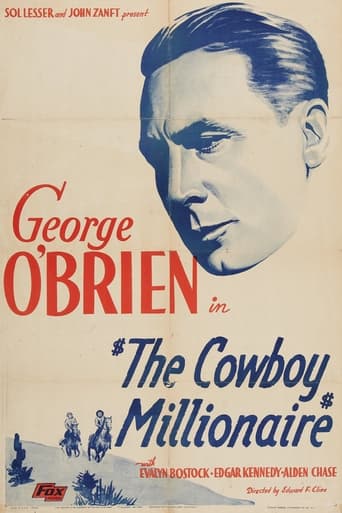
The Cowboy Millionaire
1935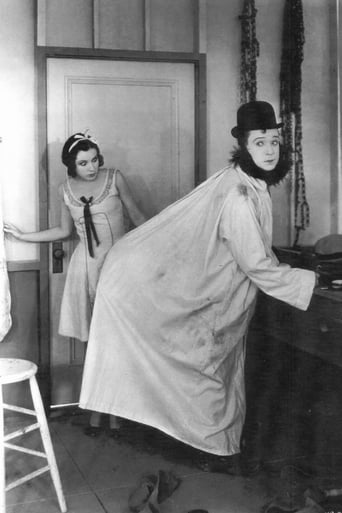
The Big Kick
1930
The First Seven Years
1930 Leading Lizzie Astray
1914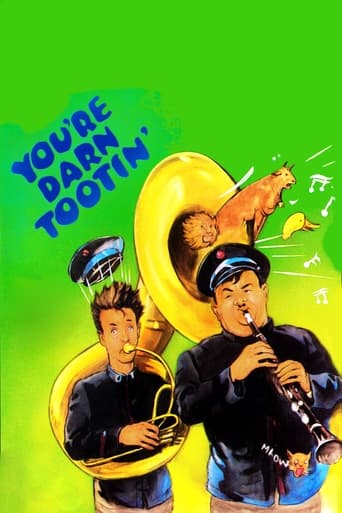
You're Darn Tootin'
1928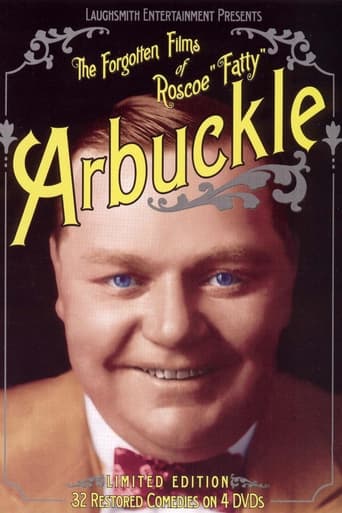
Fatty’s Reckless Fling
1915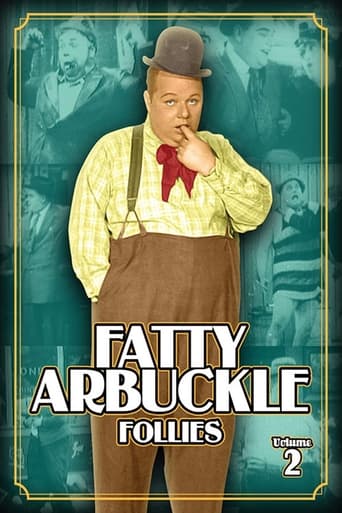
Fatty's New Role
1915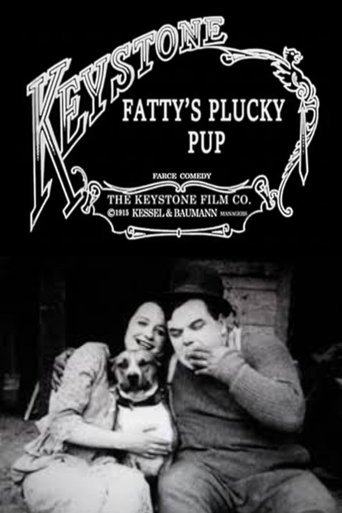
Fatty’s Plucky Pup
1915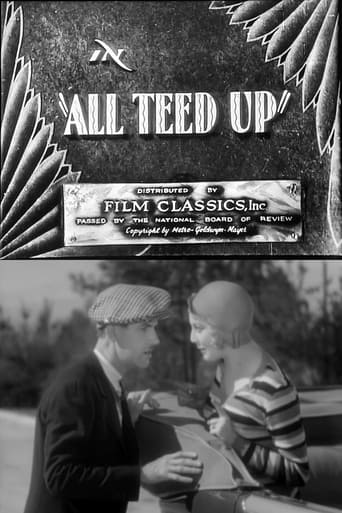
All Teed Up
1930About Edgar Kennedy
Edgar Livingston Kennedy — American comedian and character actor whose the silent era through the Golden Age of Hollywood. Beginning his entertainment career in vaudeville, Kennedy joined Mack Sennett's Keystone Studios in 1913, where he became one of the original Keystone Cops and developed his signature comedic persona. His most famous contribution to comedy was the 'slow burn' routine - a methodical, escalating display of frustration that became his trademark and influenced generations of comedians. Kennedy successfully transitioned from silent films to talkies, appearing in over 400 films throughout his career. He also ventured into directing during the late 1920s, helming several comedy shorts. Despite never achieving leading man status, Kennedy became one of Hollywood's most recognizable character actors, working with virtually every major comedy star of his era including Charlie Chaplin, Harold Lloyd, and the Marx Brothers. His career continued unabated until his death in 1948, leaving behind a legacy of memorable performances that showcased his remarkable comic timing and expressive face.
The Craft
On Screen
Edgar Kennedy was renowned for his 'slow burn' comedy technique, a methodical and increasingly intense display of frustration that would build gradually until reaching an explosive climax. His style was characterized by expressive facial contortions, deliberate pacing, and the ability to convey mounting irritation through subtle gestures and expressions. Kennedy often played exasperated authority figures, long-suffering husbands, or put-upon everymen who found themselves in increasingly absurd situations. His physical comedy was precise and controlled, relying more on timing and expression than slapstick violence. In talkies, his distinctive gravelly voice and deadpan delivery enhanced his comedic effectiveness, making him a perfect foil for more manic comedians.
Behind the Camera
As a director, Kennedy primarily focused on comedy shorts in the late 1920s, applying his extensive experience as a comic actor to his directorial work. His directing style emphasized clear visual gags and carefully timed comedic sequences, drawing from his understanding of what made audiences laugh. Kennedy preferred straightforward storytelling that allowed the comedy to shine without unnecessary complications. His films often featured ensemble casts and multiple comic setups running simultaneously, a technique he had perfected during his years with the Keystone Cops. While his directing career was brief, his films demonstrated a solid grasp of comedic pacing and visual storytelling.
Milestones
- Became one of the original Keystone Cops at Mack Sennett's studio
- Developed the famous 'slow burn' comedy technique
- Successfully transitioned from silent films to talkies
- Directed comedy shorts including 'From Soup to Nuts' (1928)
- Appeared in over 400 films throughout his career
- Worked with virtually every major comedy star of the era
- Received a star on the Hollywood Walk of Fame
Best Known For
Iconic Roles
Must-See Films
Accolades
Special Recognition
- Hollywood Walk of Fame star (located at 6652 Hollywood Boulevard)
Working Relationships
Worked Often With
Studios
Why They Matter
Impact on Culture
Edgar Kennedy's 'slow burn' technique became.' His work with the Keystone Cops helped establish the template for American slapstick comedy, influencing everything from The Three Stooges to modern physical comedians. Kennedy's ability to convey mounting frustration through subtle facial expressions and body language demonstrated that comedy could be as much about controlled reaction as overt action. His successful transition from silent films to talkies proved that character actors could maintain their appeal across different media formats. Kennedy's portrayals of the put-upon everyman resonated with audiences during the Great Depression, offering comic relief through characters who embodied everyday frustrations.
Lasting Legacy
Edgar Kennedy left an indelible mark on American comedy through his innovative 'slow burn' technique and his prolific body of work spanning over 400 films. His influence extends far beyond his own era, with his comedic style becoming a staple of television and film comedy. The term 'slow burn' itself has become part of the American lexicon, directly attributed to Kennedy's signature routine. His star on the Hollywood Walk of Fame stands as testament to his enduring contributions to cinema. Film historians recognize Kennedy as a crucial figure in the development of American comedy, particularly in his role as a bridge between the chaotic slapstick of the silent era and the more sophisticated character comedy of the sound era.
Who They Inspired
Kennedy's 'slow burn' technique directly influenced countless comedians, including Jackie Gleason's Ralph Kramden character, Lou Costello's reactions to Bud Abbott, and even modern performers like Michael Richards' Kramer. His method of building comedy through gradual escalation rather than sudden outbursts became a fundamental principle of comic timing. The character archetype of the long-suffering, increasingly frustrated individual that Kennedy perfected has been replicated in countless sitcoms and films. Comedy actors studying physical comedy still examine Kennedy's work to understand how to convey emotion through subtle physical changes. His ability to maintain comic dignity while portraying exasperation influenced the approach of character comedians who followed.
Off Screen
Edgar Kennedy married Hazel Conroy in 1919, and their marriage lasted until his death in 1948. The couple had two children together, a daughter named Joan and a son named Edgar Jr. Kennedy was known as a devoted family man who maintained a stable home life despite the chaos of Hollywood. Unlike many of his contemporaries, he avoided the pitfalls of celebrity and maintained a reputation for professionalism and reliability on set. His personal demeanor was notably different from his comic persona - colleagues described him as calm, patient, and generous in real life, making his frustrated characters on screen all the more remarkable.
Education
Limited formal education, trained in vaudeville theater
Family
- Hazel Conroy (1919-1948)
Did You Know?
- Was nicknamed 'The King of the Slow Burn' for his signature comedic routine
- Appeared in more films than any other actor of his time except for John Wayne
- Was one of the original Keystone Cops, joining Mack Sennett's studio in 1913
- His 'slow burn' routine typically took 15-20 seconds to build to its climax
- Was a professional boxer before entering show business
- Worked with virtually every major comedy star of the silent and early sound era
- His distinctive gravelly voice made him a natural for talkies
- Never received an Academy Award nomination despite his prolific career
- Was known for being
- His daughter Joan briefly attempted an acting career in the 1940s
- Was a founding member of the Screen Actors Guild
In Their Own Words
I don't act, I react - that's the secret to comedy
The slow burn isn't about getting angry, it's about showing the audience how ridiculous the situation is
In comedy, timing isn't everything - it's the only thing
Frequently Asked Questions
Who was Edgar Kennedy?
Prolific American actor and on YTB.my. He was one of the original Keystone Cops and appeared in over 400 films from 1913 to 1948, working with virtually every major comedy star of his era.
What films is Edgar Kennedy best known for?
Titles linked here include The Speed Kings (1913), Bangville Police (1913).
When was Edgar Kennedy born and when did he die?
Born April 26, 1890; died November 9, 1948.
What awards did Edgar Kennedy win?
Despite his prolific career and influence on comedy, Edgar Kennedy never received major film awards or Academy Award nominations. However, he was honored with a star on the Hollywood Walk of Fame for his contributions to cinema.
What was Edgar Kennedy's famous 'slow burn' technique?
The 'slow burn' was Kennedy's signature comedy routine involving a gradual, methodical build-up of frustration that would escalate through subtle facial expressions and gestures until reaching an explosive climax. This technique became.
How did Edgar Kennedy influence later comedians?
Kennedy's 'slow burn' technique influenced countless comedians including Jackie Gleason, The Three Stooges, and even modern performers like Michael Richards. His method of building comedy through gradual escalation became a fundamental principle of comic timing that continues to be studied today.