


Bacon Grabbers
"Repo men after a radio"
Keys: Space play/pause · ←/→ 10s · F fullscreen · M mute · </> speed
About this film
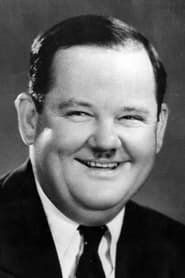
Laurel and Hardy work as debt collectors assigned to repossess a console radio from a stubborn client. Their polite persistence escalates into the brand of domestic destruction that defined Roach two-reel comedy.
Cast & crew
More films like this
More Comedy films
View all →







More from Lewis R. Foster
View all →

More about this film
About the production
Release dateApril 27, 1929
ProductionHal Roach Studios, Metro-Goldwyn-Mayer (distributor)
Filmed inHal Roach Studios, Culver City, California
the release was produced during the critical transition period from silent films to talkies. The radio acts as a perfect prop for this era, representing the new technology that was changing entertainment. The massive console radio used in the film was typical of late 1920s models, which were often furniture-sized pieces that cost hundreds of dollars - equivalent to thousands today. The production team had to ensure the destruction of the radio was both comically effective and safe for the actors.
Themes
Debt and financial obligationTechnology and modernizationIncompetence and failureDestruction and chaosThe American dream and consumerism
Themes & topics
debt collectorsrepossessionradiodestructionphysical comedyslapstickhome invasionchaosfailurecomedy duo
Historical background
Archival records place Bacon Grabbers in 1929, a year when the silent feature period shaped what theaters booked.
Why this film matters
Retrospectives include Bacon Grabbers when mapping craft and subject matter from the silent feature period.
Making of
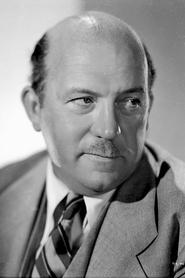
The filming of 'Bacon Grabbers' took place during a pivotal moment in Hollywood history as studios were converting to sound technology. The Hal Roach Studios, where Laurel and Hardy made their films, was one of the last major comedy studios to fully embrace sound. The production team faced challenges in recording clear audio while maintaining the physical comedy that made the duo famous. The radio destruction sequence required careful choreography to ensure the comedy timing worked with the new sound elements. Edgar Kennedy, playing the frustrated homeowner, was actually a skilled comedian who developed his own slow-burn style that contrasted perfectly with Laurel and Hardy's frantic energy. The film's success helped establish the formula for their early sound shorts, blending their silent film physical comedy with new audio possibilities.
What critics said
Critics revisiting Bacon Grabbers emphasize performative and technical choices visible in surviving prints.
Did you know?
- This was one of the first Laurel and Hardy shorts to be released with a synchronized soundtrack and sound effects, though it was not a full 'talkie'.
- The title 'Bacon Grabbers' is slang for debt collectors or repossession agents, deriving from the idea of taking someone's livelihood (their 'bacon').
- Edgar Kennedy, who plays the homeowner, was a regular supporting actor in Laurel and Hardy films and later became famous for his own comedy series.
- The console radio in the film was an actual working radio set from the period, worth approximately $400-500 at the time (equivalent to $6,000-8,000 today).
- the release was released just months before the stock market crash of 1929, making its theme of debt collection particularly timely.
- The destruction sequence required multiple takes, and several radio cabinets were destroyed during filming.
- The film was part of a package of Laurel and Hardy shorts that helped establish their international popularity.
- Lewis R. Foster, the director, was primarily known as a screenwriter and later won an Academy Award for writing 'Mr. Smith Goes to Washington'.
- The sound effects in the film were created live in the studio using various props and techniques, as was common in early sound films.
- This short was often paired with feature films in theaters, as was typical for comedy shorts of the era.
Visual style
The cinematography by Art Lloyd captures the physical comedy with clarity and precision, essential for the sight gags that drive the film. The camera work employs medium shots that allow both performers to be visible simultaneously during their routines, crucial for their two-person comedy dynamic. The filming of the destruction sequences uses multiple angles to show the chaos from different perspectives, enhancing the comedic effect. The lighting is typical of studio productions of the era, bright and even to ensure maximum visibility of the physical comedy. The camera movement is minimal, as was common in early sound films due to the limitations of sound recording equipment, but the static framing actually enhances the theatrical quality of the performances. The cinematography successfully balances the need to record clear sound with the visual requirements of physical comedy, a challenge faced by many filmmakers during this transitional period.
Innovations
As an early sound film, 'Bacon Grabbers' represents several technical achievements in the transition to synchronized sound. The film successfully integrates sound effects with physical comedy, demonstrating that visual gags could be enhanced rather than diminished by audio. The production team overcame the technical limitations of early sound recording to capture complex physical sequences, which required innovative microphone placement and sound mixing techniques. The synchronized destruction of the radio with appropriate sound effects was particularly challenging and represents an early example of sound effects editing in comedy. The film also features the successful adaptation of silent film comedy timing to sound cinema, maintaining the precise rhythm that made Laurel and Hardy's routines effective. The technical crew at Hal Roach Studios developed methods to record clear sound while allowing for the physical movement necessary for comedy, contributing to the broader development of sound film techniques.
Music
The soundtrack for 'Bacon Grabbers' consists of synchronized sound effects and musical accompaniment, typical of early sound shorts. The sound effects were created live in the studio using various props and techniques, including crashing sounds for the radio destruction and exaggerated impact noises for the physical comedy. The musical score likely consisted of popular songs of the era and original compositions by the Hal Roach music department. The soundtrack enhances the comedy without overwhelming it, using sound to punctuate visual gags rather than replace them. The radio itself provides diegetic music when it's functioning, creating an ironic contrast with its eventual destruction. The sound design represents the careful balance studios sought between the novelty of sound and the established comedy techniques of the silent era. The absence of dialogue in the film demonstrates how early sound shorts often relied primarily on visual comedy with sound enhancement rather than full spoken performances.
Famous quotes
Well, here's another nice mess you've gotten me into!
I had a good mind to...
You know that makes me nervous!
Why don't you do something to help me?
This is certainly a fine kettle of fish!
Memorable scenes
- The extended sequence where Laurel and Hardy attempt to remove the massive console radio from the house, resulting in its complete destruction piece by piece. The scene escalates from simple removal to total demolition, showcasing their trademark ability to turn a simple task into catastrophic failure. The physical comedy is perfectly timed, with each piece of the radio being broken in increasingly creative ways, all while Edgar Kennedy's character grows increasingly furious in the background.
What audiences thought
Audiences in 1929 embraced 'Bacon Grabbers' enthusiastically, as it delivered the Laurel and Hardy comedy they loved while showcasing the exciting new technology of sound. The film was a popular part of theater bills across the country and helped cement the duo's status as major comedy stars in the sound era. Moviegoers particularly enjoyed the enhanced destruction sequences, where the sound effects amplified the comedy of the radio's demise. The relatable scenario of dealing with debt collectors resonated with audiences, especially as economic conditions began to deteriorate later in 1929. The short remained popular in subsequent years through theatrical re-releases and was later included in early television compilations of Laurel and Hardy films. Modern audiences continue to appreciate the film through home video releases and film festival screenings, where it's often praised as a prime example of classic comedy craftsmanship.
Film connections
Influenced by
- Silent film comedy tradition
- Mack Sennett comedy style
- Vaudeville performance traditions
- Chaplin and Keaton physical comedy techniques
This film influenced
- Later Laurel and Hardy sound shorts
- The Three Stooges physical comedy films
- Abbott and Costello routines
- Modern physical comedy films
Film restoration
The film is preserved in the Library of Congress collection and has been restored by various film archives. Multiple 35mm prints exist in archives worldwide, and the film has been released on DVD and Blu-ray as part of Laurel and Hardy collections. The restoration work has preserved both the visual elements and the early soundtrack, ensuring this important transitional film remains accessible for future generations.
Where to watch
- The Criterion Collection DVD/Blu-ray releases
- Kino Lorber DVD collections
- Streaming services specializing in classic films
- The Laurel and Hardy Official YouTube Channel
- Film archive screenings and classic film festivals