
Films
6 films

About Lewis R. Foster
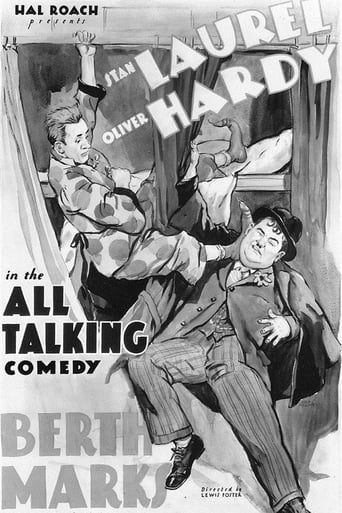
American screenwriter and director active in the earliest sound-film years, and he is best remembered for his work on some of the classic Laurel and Hardy shorts of 1929. His credited directing career appears to have been brief, with the most notable concentration coming in a single productive year when he helmed a series of comedy shorts that helped define the studio-driven two-reel format at the dawn of the talkies. Foster's name is especially associated with Unaccustomed as We Are, Double Whoopee, Bacon Grabbers, Men O' War, and Angora Love, films that remain important examples of the transition from silent comedy to synchronized sound. Beyond directing, he is also known in Hollywood records as a writer, which suggests a broader behind-the-scenes career in the industry even though his directing credits are the most visible part of his legacy. Because he worked during a transitional period when many studio craftsmen moved rapidly between writing, directing, and gag construction, his individual life story is less extensively documented than that of major stars. Nonetheless, his contribution to the Laurel and Hardy canon places him within the important group of early comedy filmmakers who helped establish the rhythm, pacing, and screen persona that made the duo enduring international icons. His surviving filmography indicates a specialist in compact comedic storytelling rather than a long-running auteur-style career, but that work has continued to be studied by silent-film and early sound historians.
The Craft
Behind the Camera
Foster's directing style, as reflected in the surviving shorts attributed to him, appears to have been efficient, brisk, and tightly structured for two-reel comedy. His work favored clear setups, escalation of comic business, and the careful timing required for Laurel and Hardy's deadpan personas and physical reversals. Because these films were made during the silent-to-sound transition, his direction also had to accommodate the new demands of recorded dialogue and sound effects without sacrificing visual comedy. The result is a style grounded in studio professionalism rather than flamboyant authorial display, emphasizing rhythm, gag construction, and star-centered performance.
Milestones
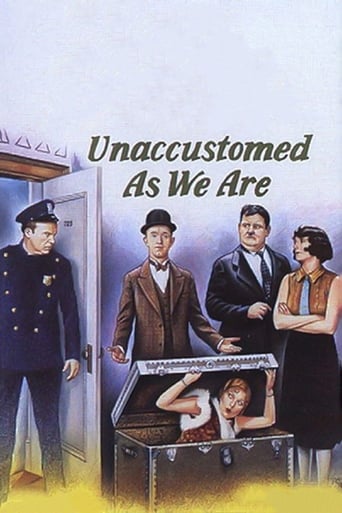
- Directed Unaccustomed as We Are (1929), one of Laurel and Hardy's most important early sound shorts
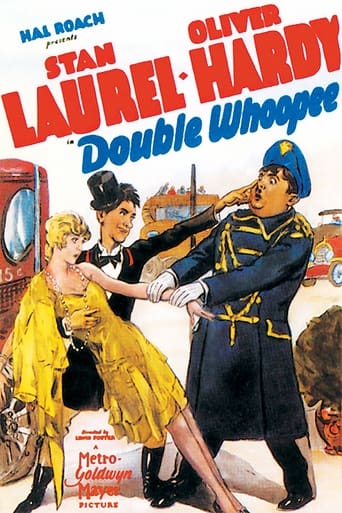
- Helmed Double Whoopee (1929), a widely recognized comedy short from Laurel and Hardy's classic period
- Directed Bacon Grabbers (1929), a notable example of late silent/early sound slapstick craftsmanship
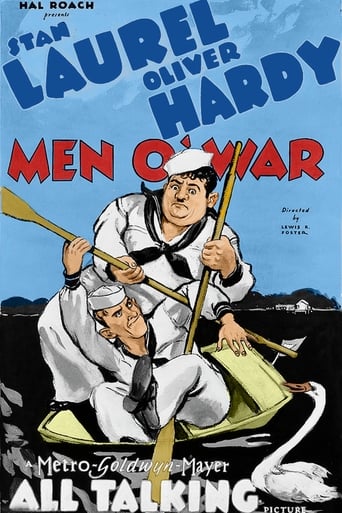
- Directed Men O' War (1929), part of the celebrated Laurel and Hardy short-film canon
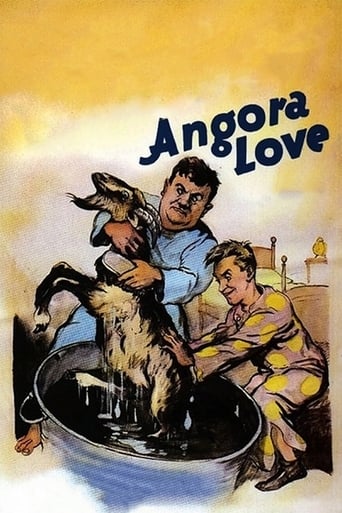
- Directed Angora Love (1929), among the final Laurel and Hardy silent shorts released at the dawn of the sound era
- Contributed to the transition from silent comedy to early talkie short subjects through studio-based comedy production
Best Known For
Must-See Films
Working Relationships
Worked Often With
Studios
Why They Matter
Impact on Culture
Lewis R. Foster's cultural importance lies less in personal fame than in his role in shaping early Laurel and Hardy screen comedy at a pivotal moment in film history. The shorts associated with him helped define how sound-era comedy could preserve the visual precision of silent slapstick while adding dialogue, effects, and new timing possibilities. These films have remained central to the study of early 20th-century screen humor, especially because Laurel and Hardy became one of cinema's most beloved comedic pairings. Foster's work therefore contributed to a body of films that circulated widely, influenced later comedy teams, and helped establish the studio short subject as a durable form of popular entertainment.
Lasting Legacy
Foster's lasting legacy is tied to the endurance of the Laurel and Hardy films he directed, which continue to be screened, restored, studied, and released on home media and streaming platforms. Even though his own name is not as famous as the performers' names, the films preserve his contribution to comic structure, pacing, and early sound-era filmmaking. In film history, directors like Foster are essential because they converted studio resources and performer chemistry into works that survived long after the original exhibition context disappeared. His legacy is therefore one of craft: a behind-the-scenes filmmaker whose work helped crystallize a comic tradition that remains globally recognizable.
Who They Inspired
Foster influenced later comedy filmmakers indirectly through the durability of the shorts he directed, which became templates for timing, escalation, and the use of contrast between character behavior and comic chaos. His work on Laurel and Hardy films helped demonstrate how a director could support star personas without overwhelming them, a lesson that resonated in later studio comedy production. The films also influenced the broader shape of short-form screen comedy by showing how sound could be integrated into physical humor without diminishing visual gags. While he may not have founded a school or directly mentored major successors in the public record, his films formed part of the practical grammar from which later screen comedians and directors learned.
Off Screen
Little reliably documented information survives in standard film references about Lewis R. Foster's private life, including marriages, children, or detailed family background. He appears in film history primarily through production credits rather than through star-centered publicity, which is common for many studio-era craftsmen whose personal biographies were not widely publicized. As a result, the most secure information concerns his professional output rather than his domestic life. No well-established public record of marriages, children, or major personal milestones could be verified from the available classic-cinema references.
Did You Know?
- Lewis R. Foster is best remembered today for directing Laurel and Hardy shorts rather than for a long feature-film career.
- His most famous work comes from 1929, the crucial first year when sound comedy was rapidly replacing silent short subjects.
- Several of the films associated with him remain standard titles in Laurel and Hardy retrospectives and restorations.
- Because he worked primarily behind the scenes, his personal biography is much less documented than that of the performers he directed.
- His career illustrates how many early Hollywood craftsmen moved between writing and directing in the studio system.
- The films attributed to him are important for studying how silent-era comedy techniques adapted to synchronized sound.
- He is sometimes confused with other people of similar name, but the director connected to Laurel and Hardy is the classic-film personality intended here.
Frequently Asked Questions
Who was Lewis R. Foster?
American screenwriter and on YTB.my. He is remembered as a behind-the-scenes classic Hollywood craftsman whose surviving filmography is closely tied to the transition from silent films to early sound cinema.
What films is Lewis R. Foster best known for?
Titles linked here include Unaccustomed as We Are (1929), Double Whoopee (1929).
When was Lewis R. Foster born and when did he die?
Reliable standard references available for classic-film databases do not clearly verify his birth date or death date. His surviving film credits establish his activity in 1929, but detailed biographical data is not readily documented in commonly cited sources.
What awards did Lewis R. Foster win?
No major awards or nominations are reliably documented for Lewis R. Foster in the available classic-cinema record. Like many studio-era directors of short subjects, his importance is historical and artistic rather than award-based.
What was Lewis R. Foster's directing style?
His directing style was efficient, tightly paced, and tailored to two-reel comedy. He emphasized clean gag construction, strong timing, and support for Laurel and Hardy's comic rhythms during the crucial silent-to-sound transition.
What is Lewis R. Foster's legacy in film history?
His legacy lies in his contribution to some of Laurel and Hardy's most enduring early shorts. Those films helped define sound-era slapstick comedy and remain part of the foundational canon of classic American screen humor.