Men O' War
"Between sailors stan and loyalty"
Keys: Space play/pause · ←/→ 10s · F fullscreen · M mute · </> speed
About this film
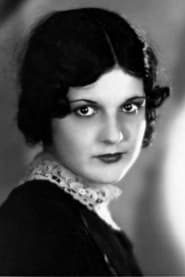
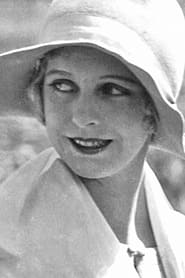
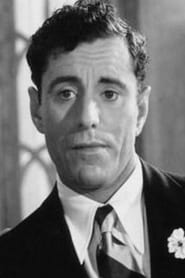
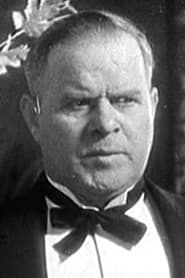
Near the edge of Jazz Age life, sailors Stan and Ollie offer to buy sodas for two women they meet in a park, even though they are short on cash. Luckily Stan wins the jackpot on a slot machine and the boys have enough money to rent a boat to cruise on a lake. They soon tangle with other boaters and everyone end
Cast & crew
More films like this
More Comedy films
View all →







More from Lewis R. Foster
View all →

More about this film
About the production
Release dateJune 29, 1929
ProductionHal Roach Studios, Metro-Goldwyn-Mayer (MGM)
Filmed inHal Roach Studios, Culver City, California, Lake at MGM Studios
This was one of Laurel and Hardy's early sound films, produced during the transition period from silent to talking pictures. The film was shot at the Hal Roach Studios with some location filming at MGM's facilities. The production had to carefully manage sound recording equipment, which was still cumbersome and restrictive in 1929. The boat sequences required careful coordination to ensure safety while maintaining the chaotic comedy that Laurel and Hardy were known for.
Themes
Romance and courtshipClass and social statusTechnology and luckMale friendship and loyaltyThe chaos of good intentions
Themes & topics
sailorsslot machineboatlakeromancecomedy of errorsphysical comedyshore leavesoda fountainwater chaos
Historical background
Released in 1929, Men O' War arrived during the Jazz Age, when audiences were hungry for new screen experiences.
Why this film matters
Men O' War remains a reference point for scholars tracing how Jazz Age filmmaking handled plot, performance, and audience expectation. Men O' War is the third sound film starring Laurel and Hardy, released on June 29, 1929.
Making of
The production of 'Men O' War' took place during a critical transition period in Hollywood history. The film was made when studios were scrambling to convert to sound technology, and Hal Roach Studios was relatively late in adopting the new technology. The sound recording equipment of 1929 was large, noisy, and restrictive, forcing actors to remain relatively stationary near microphones. This created significant challenges for Laurel and Hardy's physical comedy style. The boat sequences were particularly difficult to film, as the early sound equipment couldn't be easily moved on water. The production team had to devise creative solutions, including using long boom poles and hiding microphones in props. The slot machine scene required precise timing to synchronize the mechanical sounds with the visual action, a technical achievement for the time. Director Lewis R. Foster had to balance the new technical requirements with preserving the comedic timing that made Laurel and Hardy famous.
What critics said
Modern silent- and classic-film writers often revisit Men O' War for its place in the Jazz Age lineup rather than for blockbuster status.
Did you know?
- This was one of Laurel and Hardy's first films to be released with a synchronized soundtrack, though it was primarily a silent film with music and sound effects.
- James Finlayson, who appears in the film, was a frequent collaborator with Laurel and Hardy, appearing in over 30 of their films.
- The slot machine sequence was innovative for its time, using close-ups and sound effects to enhance the comedy.
- The film was released just months before the stock market crash of 1929, at the height of the Roaring Twenties prosperity.
- The boat used in the film was specially modified to accommodate the camera equipment needed for the water scenes.
- This film was part of a series of Laurel and Hardy shorts that established their classic characters as incompetent but well-meaning gentlemen.
- The two women in the film were played by Norma Drew and Carole Lombard look-alike actress, though Lombard herself did not appear.
- The film's title 'Men O' War' is a pun on the phrase 'man of war' and refers to both the sailors and the naval battles they create on the lake.
- The soda fountain scenes were filmed on a set that was reused in several other Hal Roach productions.
- This was one of the last films directed by Lewis R. Foster for Hal Roach before he moved on to feature films.
Visual style
The cinematography in 'Men O' War' reflects the technical constraints and innovations of the early sound era. The camera work is more static than in silent films due to the limitations of sound recording equipment, but the cinematographers found creative ways to maintain visual interest. The park scenes use natural lighting to create a romantic atmosphere, while the boat sequences required careful planning to capture the action on water. The slot machine close-ups demonstrate how the film used camera angles to enhance comedic moments. The cinematography successfully balances the need to accommodate sound equipment with maintaining the dynamic visual style that Laurel and Hardy films were known for. The water scenes were particularly challenging, requiring specialized equipment to keep cameras dry while capturing the chaotic action.
Innovations
Men O' War" achieved several technical milestones for its time. The film successfully integrated synchronized sound with Laurel and Hardy's established physical comedy style, proving that their humor could transcend the silent-to-sound transition. The slot machine sequence featured innovative editing techniques that synchronized mechanical sounds with visual action. The boat scenes demonstrated early techniques for recording sound in difficult outdoor environments. The film's audio-visual balance showed how comedy could be enhanced rather than diminished by sound technology. The production also pioneered methods for hiding microphones in props and sets, allowing for more natural movement within the constraints of early sound recording. These technical achievements helped pave the way for more sophisticated comedy sound films in the 1930s.
Music
The soundtrack for 'Men O' War' was typical of early sound films, featuring a synchronized musical score with sound effects but limited dialogue. The music was composed by Leroy Shield, who created many of the memorable themes for Hal Roach productions. The score uses popular songs of the era to enhance the romantic and comedic elements of the story. Sound effects play a crucial role in the comedy, particularly in the slot machine sequence and the boat collision scenes. The limited dialogue consists mainly of Stan and Ollie's characteristic grunts, exclamations, and brief exchanges, preserving their pantomime style while taking advantage of the new audio technology. The soundtrack demonstrates how early sound films could enhance comedy through carefully timed audio cues without relying heavily on spoken dialogue.
Famous quotes
Well, here's another nice mess you've gotten me into!
I have nothing to say!
You can lead a horse to water, but a pencil must be lead!
That's a lot of bull, and I'm not just talking about the animal!
Memorable scenes
- The slot machine sequence where Stan's lucky streak saves the day, featuring close-ups of the spinning reels and the growing excitement as he keeps winning.
- The chaotic boat collision scene where multiple boats crash into each other, culminating in everyone falling into the water in perfectly timed comedic fashion.
- The soda fountain courtship scene where Stan and Ollie attempt to impress the women despite their obvious financial limitations.
What audiences thought
Audiences in 1929 embraced 'Men O' War' enthusiastically, as it delivered the Laurel and Hardy comedy they loved while showcasing the novelty of sound. The film was a popular attraction in theaters, often playing alongside feature films as part of the typical double-bill programming of the era. Moviegoers particularly enjoyed the familiar chemistry between Stan and Ollie, which remained intact despite the new technical challenges. The soda fountain and boat scenes resonated with working-class audiences who could relate to the characters' attempts at romance and recreation. The film's success helped confirm that Laurel and Hardy had a future in sound pictures, unlike many of their silent-era contemporaries. Over the decades, the film has maintained its appeal through television broadcasts and home video releases, introducing new generations to the comedy duo's work.
Film connections
Influenced by
- Silent era slapstick comedy
- Vaudeville routines
- Naval comedy traditions
- Early sound film techniques
This film influenced
- Saps at Sea (1940)
- The Music Box (1932)
- Other Laurel and Hardy boat comedies
- Later comedy films featuring recreational disaster scenes
Film restoration
The film is well-preserved and has been restored by various film archives. It survives in its complete form and has been included in several Laurel and Hardy DVD and Blu-ray collections. The UCLA Film and Television Archive holds a high-quality print, and the film has been digitized for preservation purposes. The sound elements have also been preserved, allowing modern audiences to experience the film as originally intended.
Where to watch
- The film is available on various Laurel and Hardy DVD collections
- Streaming services specializing in classic cinema
- Public domain archives
- The Criterion Channel
- Turner Classic Movies broadcasts