
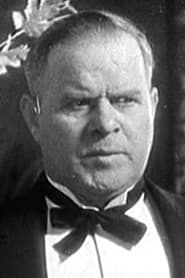
Harry Bernard
Actor
Born: January 13, 1878 in San Francisco, California, USA Died: November 1, 1940 Active: 1915-1940
Films
10 films
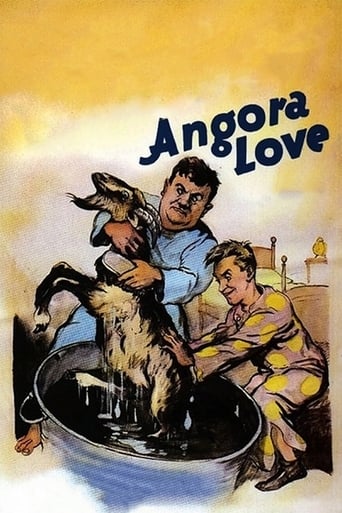
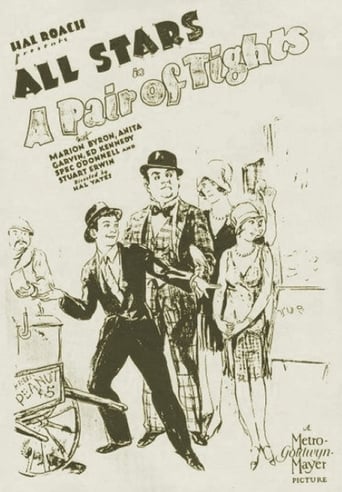
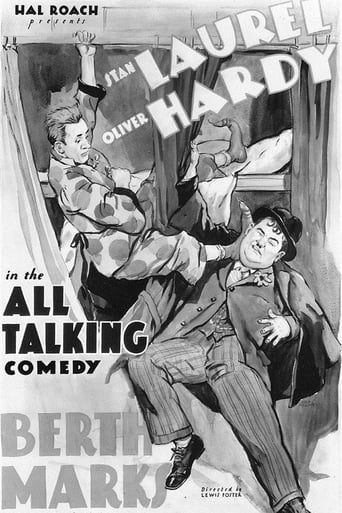
About Harry Bernard
Prolific American character actor during the silent era and early sound period, best known for his extensive work in comedy shorts, particularly those produced by Hal Roach Studios. Born in San Francisco in 1878, Bernard began his film career around 1915 and quickly established himself as a reliable supporting player, specializing in authority figures who would frequently clash with comedy protagonists. His distinctive appearance—tall, balding, with a stern expression—made him instantly recognizable to audiences of the era. Bernard appeared in more than 150 films throughout his career, working extensively with comedy legends Laurel and Hardy, Charley Chase, and the Our Gang series. He successfully transitioned from silent films to talkies, adapting his physical comedy style to include dialogue while maintaining his effectiveness as a straight man. Bernard's nearly three decades in Hollywood, during which he became familiar faces in American comedy cinema before his death in 1940.
The Craft
On Screen
Harry Bernard specialized in playing straight man roles with a stern, authoritative demeanor that perfectly contrasted with the comedic antics of leads like Laurel and Hardy. His deadpan delivery and physical presence made him an ideal foil for slapstick comedy, often playing exasperated police officers, detectives, or officials who would inevitably be outwitted or physically abused by the comedy duo. Bernard had a talent for maintaining a serious expression even in the most absurd situations, which heightened the comedic effect. His acting style was rooted in the broad, physical comedy traditions of silent film, but he adapted well to the demands of sound cinema, using his voice to enhance his authoritative characterizations.
Milestones
- Appeared in over 150 films during his career
- Regular supporting player in Laurel and Hardy comedies
- Frequent collaborator with Hal Roach Studios
- Successfully transitioned from silent films to talkies
- Became typecast as the perfect authority figure foil in comedy shorts
- Appeared in classic comedy films including 'The Music Box' and 'Big Business'
Best Known For
Iconic Roles
Must-See Films
Working Relationships
Worked Often With
Studios
Why They Matter
Impact on Culture
Harry Bernard contributed significantly to the golden age of Hollywood comedy through his countless appearances as a reliable character actor. His work in Laurel and Hardy films helped create some of the most enduring comedy classics of the era, with his stern authority figure providing the perfect contrast to the duo's mayhem. Bernard represented the essential but often overlooked supporting actors who formed the backbone of Hollywood's studio system, bringing consistency and professionalism to countless productions. His familiar face became part of the visual vocabulary of classic comedy, helping audiences instantly recognize the type of comic situation about to unfold when he appeared on screen.
Lasting Legacy
Harry Bernard's legacy lies in his substantial contribution to classic Hollywood comedy, particularly in the Laurel and Hardy filmography. Though never a star himself, his performances in over 150 films helped define the visual language of comedy during the silent and early sound eras. Film historians and comedy enthusiasts recognize him as an essential component of the Hal Roach comedy machine, whose work continues to be appreciated by classic film fans worldwide. His ability to play the straight man with perfect timing made him an invaluable asset to directors and comedy teams of his era, and his films remain beloved by audiences decades later.
Who They Inspired
While Harry Bernard was not typically in a position to mentor other actors given his status as a supporting player, his professional approach and consistency set a standard for character actors in the comedy field. His work influenced how authority figures were portrayed in comedy shorts, establishing a template that other actors would follow. The effectiveness of his straight-man performances demonstrated the crucial importance of supporting characters in comedy, influencing how comedy teams and directors would structure their films for decades to come. His distinctive style of playing the exasperated authority figure became a staple of comedy films that followed.
Off Screen
Harry Bernard married actress Florence Turner in 1916, though their marriage ended in divorce in 1922. He later married actress May Cloy in 1928, and they remained married until his death in 1940. Bernard lived primarily in Los Angeles during his film career and was known among his colleagues as a reliable and professional character actor who could always be counted on to deliver a solid performance. Despite his prolific career and recognizable face, Bernard maintained a relatively low public profile, focusing on his craft rather than seeking stardom. He was respected within the industry for his consistency and professionalism.
Family
- Florence Turner (1916-1922)
- May Cloy (1928-1940)
Did You Know?
- Appeared in more than 150 films during his career
- Worked extensively with Hal Roach Studios
- Frequently typecast as police officers and authority figures
- Successfully transitioned from silent films to talkies
- His distinctive bald appearance and stern expression made him instantly recognizable
- Often played characters who would be physically abused by comedy duos
- Appeared in 'The Music Box' (1932), one of Laurel and Hardy's most famous shorts
- Worked with many comedy legends including Charley Chase and the Our Gang kids
- Was married twice, both times to actresses
- Despite his prolific career, never achieved star status but was highly respected within the industry
- Often played characters named 'Harry' in films
- Was a favorite of director Hal Roach for his reliability and consistency
Frequently Asked Questions
Who was Harry Bernard?
Prolific American character He specialized in playing authority figures and appeared in over 150 films throughout his career, becoming a familiar face to audiences of classic Hollywood comedy.
What films is Harry Bernard best known for?
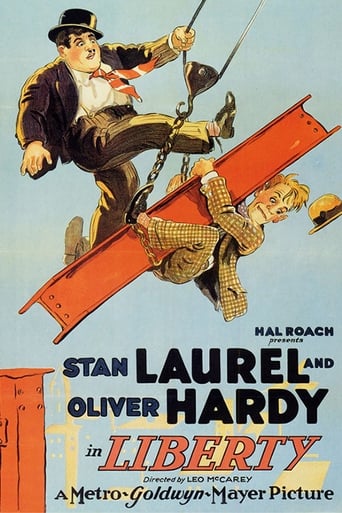
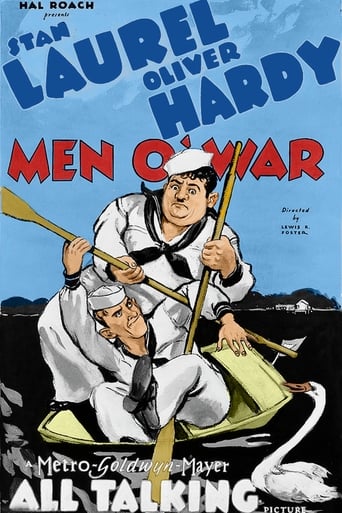
Titles linked here include Liberty (1929), Men O' War (1929).
When was Harry Bernard born and when did he die?
Born January 13, 1878; died November 1, 1940.
What awards did Harry Bernard win?
Harry Bernard did not receive any major awards or nominations during his career, which was common for character actors of his era. Despite his prolific work and contributions to classic comedy, he was never formally recognized with industry awards, though his performances continue to be appreciated by film historians and classic comedy enthusiasts.
What was Harry Bernard's acting style?
Harry Bernard specialized in playing straight man roles with a stern, authoritative demeanor that perfectly contrasted with the comedic antics of leads like Laurel and Hardy. His deadpan delivery and physical presence made him an ideal foil for slapstick comedy, often playing exasperated officials who would inevitably be outwitted or physically abused by the comedy duo.
How many films did Harry Bernard appear in?
Harry Bernard appeared in more than 150 films during his career spanning from 1915 to 1940. His filmography includes numerous comedy shorts, feature films, and serials, with the majority being comedy productions for Hal Roach Studios.