Angora Love
"Whose under pressure"
Keys: Space play/pause · ←/→ 10s · F fullscreen · M mute · </> speed
About this film
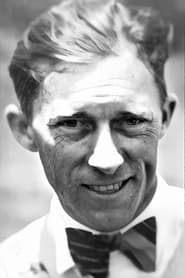
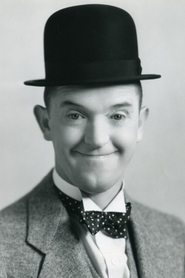
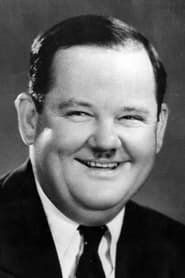
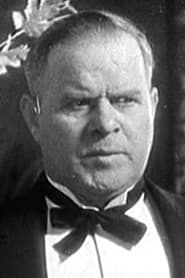
Stanley and Oliver are adopted by a runaway goat, whose noise and aroma in turn get the goat of their suspicious landlord. Foster.
Cast & crew
More films like this
More Comedy films
View all →







More from Lewis R. Foster
View all →

More about this film
About the production
Release dateOctober 12, 1929
Box officeNot individually tracked - released as part of theater shorts programming
ProductionHal Roach Studios, Metro-Goldwyn-Mayer (distributor)
Filmed inHal Roach Studios, Culver City, California
Filmed during the critical transition period from silent films to talkies, this was one of Laurel and Hardy's early sound shorts featuring synchronized sound effects and musical score but no spoken dialogue. The goat used in filming was a trained animal performer named Dinah who had appeared in several other Hal Roach productions. The film was shot quickly over approximately 3-4 days as was typical for comedy shorts of this era.
Themes
Domestic chaosAnimal companionshipLandlord-tenant conflictDeception and consequencesUrban living challenges
Themes & topics
goatlandlordapartmentpetchasecomedysilent film with soundslapstickLaurel and Hardyanimal comedyevictionhideouttroublemakingroommateschaos
Historical background
Contemporary records classify Angora Love (1929) as 1929 film by lewis r. foster, placing it within late silent cinema and the transition toward sound.
Why this film matters
Angora Love (1929) helps trace genre evolution, performer careers, and the material conditions of silent exhibition.
Making of
The production of 'Angora Love' took place during a pivotal moment in cinema history when studios were scrambling to convert to sound technology. Hal Roach Studios, like many others, was experimenting with various sound formats. The goat used in filming proved to be a challenging co-star, often refusing to follow direction and requiring multiple takes for simple scenes. Stan Laurel, who had a genuine fear of goats, had to overcome his phobia for the performance, though his nervousness actually enhanced the comedy. The film was shot on the familiar Hal Roach backlot, with the apartment building set being among the leading frequently used locations in Laurel and Hardy comedies. The synchronized sound was recorded using the RCA Photophone system, which was cutting-edge technology for the time. Director Lewis R. Foster, who typically worked as a writer, was given the directing assignment as part of Hal Roach's practice of rotating directors through the comedy unit to keep the material fresh.
What critics said
Trade and revival screenings have kept Angora Love (1929) on the map for collectors and scholars rather than mass first-run promotion.
Did you know?
- This was one of the first Laurel and Hardy shorts to feature synchronized sound, though it remained essentially a silent film with music and sound effects
- The goat in the film was actually female despite being referred to as male throughout the story
- Harry Bernard, who played the landlord, was a regular in Laurel and Hardy films, appearing in over 30 of their shorts and features
- The film was released just weeks before the stock market crash of 1929, making it one of the last comedies of the roaring twenties era
- Director Lewis R. Foster later became a successful screenwriter, earning an Academy Award nomination for 'The Talk of the Town' (1942)
- The goat's distinctive bleating was actually enhanced in post-production to make it more comically annoying
- This short was remade in 1932 as 'The Chimp' with a chimpanzee replacing the goat as the troublesome pet
- The apartment building set was reused from several other Laurel and Hardy films of the same period
- Stan Laurel reportedly had a genuine fear of goats, making some of his reactions in the film authentic
- The film's title 'Angora Love' refers to the goat's breed, Angora goats are known for their soft, mohair fleece
Visual style
The cinematography by Art Lloyd employed the standard techniques of late 1920s comedy filming, with static camera positions and medium shots that allowed clear visibility of the physical comedy. The lighting was bright and even, typical of Hal Roach productions, ensuring that the performers' expressions and movements were clearly visible. The camera work was functional rather than artistic, focusing on capturing the gags effectively rather than creating visual poetry. The apartment set was filmed with multiple camera setups to cover the action from different angles, a practice becoming more common in the sound era. The cinematography successfully captured the escalating chaos of the final chase sequence, maintaining visual clarity even as the action became more frantic. The black and white photography showed good contrast and detail, important for a comedy relying heavily on visual elements.
Innovations
As an early sound film, 'Angora Love' utilized the RCA Photophone system for sound-on-film recording, which was one of the competing sound technologies of the period. The film demonstrated effective synchronization of sound effects with visual action, a technical challenge that many studios were still mastering in 1929. The recording of the goat's sounds presented unique technical difficulties, requiring special microphone placement to capture the animal's bleating clearly. The film successfully maintained the visual comedy style of silent films while incorporating sound elements, proving that Laurel and Hardy's comedy could work in the new medium. The use of multiple microphones on set was still experimental, and the production team had to carefully balance audio levels to ensure the sound effects were audible without overwhelming the visual comedy.
Music
The film featured a synchronized musical score and sound effects but no spoken dialogue, typical of the transition period films. The music was likely provided by the Hal Roach Studios music department under the direction of Marvin Hatley, who composed many of Laurel and Hardy's scores. The soundtrack included popular songs of the era as background music, along with original comedic cues composed specifically for the film. Sound effects were carefully synchronized to enhance the physical comedy, including exaggerated footsteps, door slams, and of course, the goat's bleating. The sound design was relatively simple but effective, using the new technology to accentuate rather than dominate the visual comedy. The musical score followed the action closely, swelling during moments of high comedy and providing appropriate mood music for the various scenes.
Famous quotes
(Stan to Ollie) 'He's just a little goat, what harm can he do?'
(Landlord) 'What's that noise? It sounds like a dying cat!'
(Ollie) 'This is all your fault, Stanley! You and your soft heart for animals!'
(Stan) 'But he looked so lonely, Ollie!'
Memorable scenes
- The opening scene where the goat first follows Stanley and Oliver home, refusing to leave their side
- The sequence where the boys attempt to hide the goat in their small apartment, with the animal continually popping up in unexpected places
- The landlord's investigation of the strange noises and smells, building tension as he gets closer to discovering the goat
- The climactic chase scene through the apartment building with the goat creating maximum chaos and destruction
- The final scene where the boys are evicted and must say goodbye to their disruptive pet
What audiences thought
Audiences in 1929 responded warmly to 'Angora Love,' finding comfort in the familiar Laurel and Hardy comedy formula during a time of rapid technological change in cinema. The film played well in theaters as part of comedy shorts programming, with the goat character proving particularly popular with viewers of all ages. Contemporary audience reports indicate that the film generated consistent laughter, especially during scenes where the boys attempted to hide the increasingly disruptive goat from their landlord. The timing of the release, just before the full impact of the Great Depression, meant that audiences were still seeking escapist entertainment, which the film provided in abundance. Over the decades, the film has maintained its appeal among Laurel and Hardy enthusiasts and classic comedy fans, though it's not as widely known as some of their more famous shorts like 'The Music Box' or 'Sons of the Desert.' The film continues to be screened at classic film festivals and is appreciated by fans for its pure, unadulterated slapstick comedy.
Film connections
Influenced by
- Previous Laurel and Hardy silent shorts
- Chaplin's animal comedies
- Buster Keaton's domestic comedies
- Harold Lloyd's apartment-based humor
- Mack Sennett's animal gag traditions
This film influenced
- The Chimp (1932) - Laurel and Hardy remake with chimpanzee
- The Music Box (1932) - similar escalating chaos theme
- Saps at Sea (1940) - similar domestic conflict premise
- Later animal comedy shorts by various studios
Film restoration
The film is preserved in the Library of Congress collection and has been restored by the UCLA Film and Television Archive. Good quality 35mm prints exist, and the film has been included in several Laurel and Hardy home video releases. The synchronized soundtrack has been preserved along with the visual elements, making it one of the better-preserved examples of early Laurel and Hardy sound shorts.
Where to watch
- Available on DVD in 'The Laurel & Hardy Collection' volumes from Universal Studios
- Streaming on The Criterion Channel as part of their Laurel and Hardy collection
- Available for digital purchase on Amazon Prime Video and iTunes
- Occasionally screened on Turner Classic Movies (TCM)
- Included in the 'Laurel and Hardy: The Essential Collection' Blu-ray set from Vivendi Entertainment