Films
3 films

About Charley Young
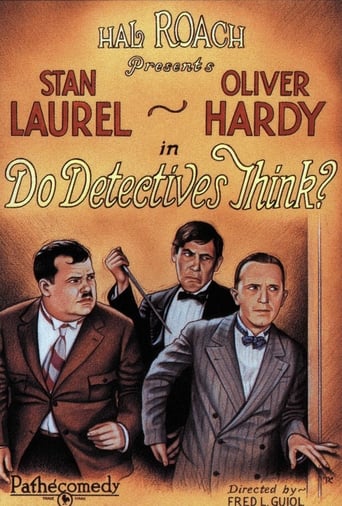
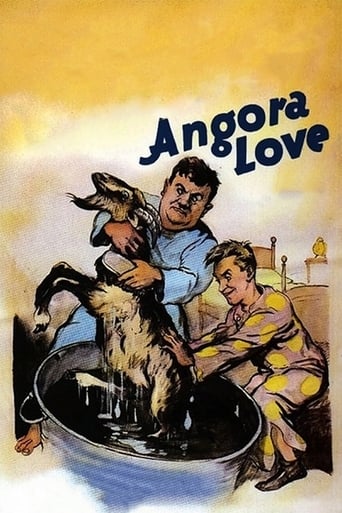
Character actor and supporting player during the late silent era, primarily known for his work in Hal Roach comedy productions. Charley appears in several Laurel and Hardy shorts between 1927 and 1929, often playing various background and minor roles that added to the comedic atmosphere of these films. His most notable appearances were in 'Do Detectives Think?' (1927), 'Sailors, Beware!' (1927), and 'Angora Love' (1929), all of which featured the comedy duo of Stan Laurel and Oliver Hardy. Young was part of the stable of character actors that Hal Roach Studios employed to populate their comedy shorts, bringing life to the various settings and situations that Laurel and Hardy found themselves in. Like many supporting actors of the silent era, his career was relatively brief, spanning just a few years during the transition from silent films to talkies. While he never achieved stardom, his contributions to these classic comedies helped create the rich, textured worlds that made Laurel and Hardy's films so memorable.
The Craft
On Screen
As a supporting character actor in silent comedies, Charley Young likely employed the exaggerated physical gestures and facial expressions typical of the era. His performances would have been primarily visual, using body language and pantomime to convey humor and character. Like many bit players of the time, he probably had to be versatile, playing different types of characters in various films while maintaining a consistent comedic presence that supported the lead actors.
Milestones
- Appeared in three Laurel and Hardy comedy shorts
- Worked for Hal Roach Studios during the golden age of silent comedy
- Contributed to classic silent comedy era films
Best Known For
Iconic Roles
Must-See Films
Working Relationships
Worked Often With
Studios
Why They Matter
Impact on Culture
Charley Young's contribution to cinema, while modest, represents the important role that supporting actors played in creating the rich comedic worlds of silent film. As part of the ensemble that populated Laurel and Hardy's films, he helped establish the atmosphere and authenticity that made these comedies so successful. His work exemplifies how silent comedy relied not just on stars but on a full cast of character actors to bring stories to life through visual humor and physical comedy.
Lasting Legacy
Though not a remembered name in film history, Charley Young's legacy lives on through his contributions to classic Laurel and Hardy comedies that continue to be celebrated and studied by film enthusiasts and scholars. His appearances in these preserved films show the collaborative nature of silent comedy production, where every actor, no matter how small the role, contributed to the overall comedic effect. His work represents the countless unsung heroes of early Hollywood who helped create timeless entertainment.
Who They Inspired
As a minor character actor, Charley Young's direct influence on subsequent performers is difficult to trace. However, his work as part of the supporting cast in influential Laurel and Hardy comedies contributed to the comedic vocabulary that would influence generations of comedy filmmakers and performers. The ensemble style of comedy he participated in helped establish templates for supporting character dynamics in comedy that would be refined and expanded upon in later decades of film and television.
Off Screen
Very little is documented about Charley Young's personal life, which was common for supporting actors of the silent era who never achieved star status. Like many character actors of his time, he likely led a relatively private life outside of his film work, with personal details not preserved in historical records.
Did You Know?
- Appeared in three Laurel and Hardy shorts during their early period as a confirmed comedy duo
- Worked during the pivotal transition period from silent films to talkies in Hollywood
- Was part of the Hal Roach Studios stable of character actors
- His film active years covered only three years, typical for many supporting actors of the era
- All three of his known surviving film appearances are now considered classics of silent comedy
- Like many silent era supporting players, his personal details remain largely undocumented
- His films showcase the ensemble nature of silent comedy production
- Contributed to the early success of what would become one of comedy's most beloved duos
Frequently Asked Questions
Who was Charley Young?
Character with credits in this catalog.
What films is Charley Young best known for?
Titles linked here include Do Detectives Think? (1927), Sailors, Beware! (1927).
When was Charley Young active in films?
Charley Young's known film active years covered from 1927 to 1929, covering the late silent era and the beginning of the transition to sound films.
Did Charley Young work with famous comedians?
Yes, Charley Young appeared in films with the legendary comedy duo of Stan Laurel and Oliver Hardy, working under producer Hal Roach at his comedy studio.
What was Charley Young's role in these films?
Charley Young played various supporting and background roles in the Laurel and Hardy shorts, contributing to the ensemble cast that created the comedic atmosphere of these classic films.
Why is little known about Charley Young's personal life?
Like many supporting actors from the silent era who never achieved star status, detailed personal information about Charley Young was not extensively documented or preserved in historical records.