
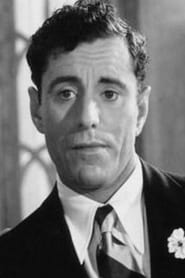
Charlie Hall
Actor
Born: August 19, 1899 in Birmingham, England, United Kingdom Died: December 7, 1959 Active: 1915-1958 Birth Name: Charles William Hall
Films
28 films
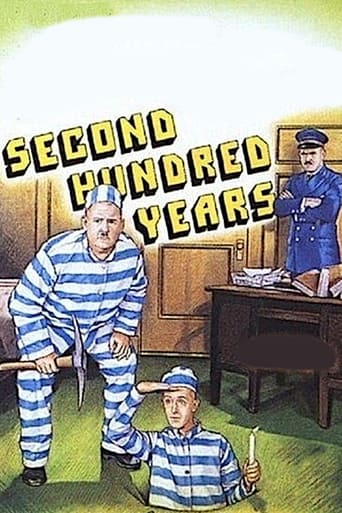
The Second 100 Years
1927 The Second 100 Years
1927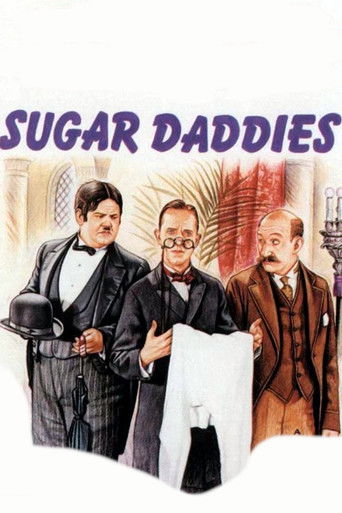
Sugar Daddies
1927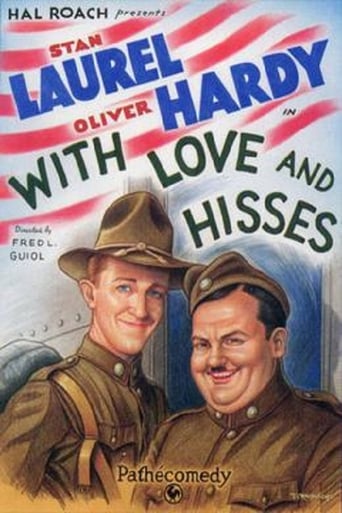
With Love and Hisses
1927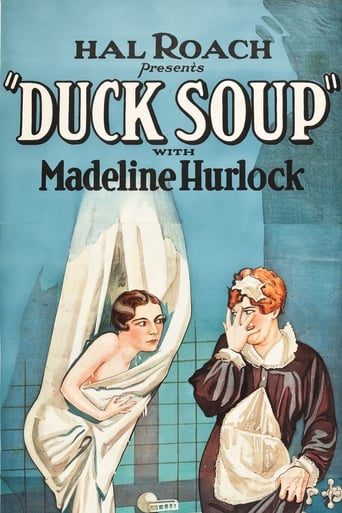
Duck Soup
1927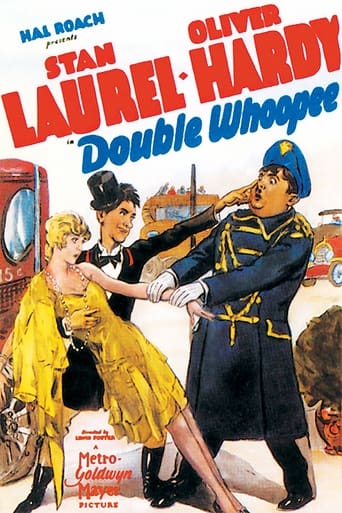
Double Whoopee
1929
Bacon Grabbers
1929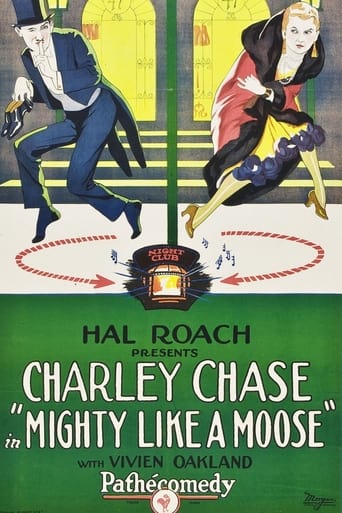
Mighty Like a Moose
1926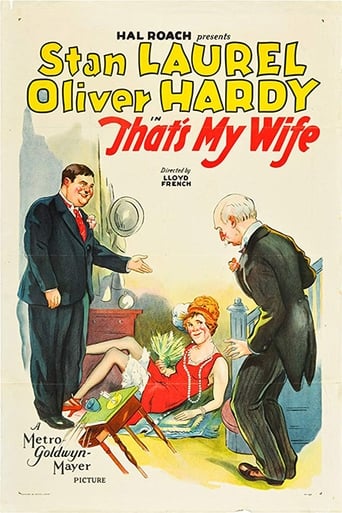
That's My Wife
1929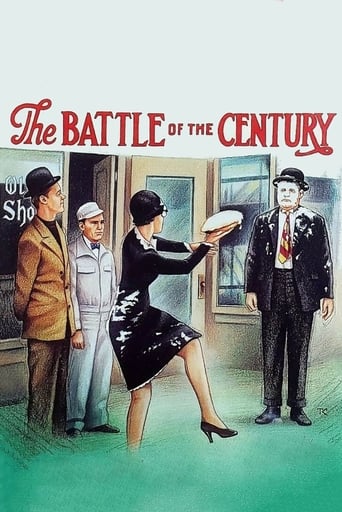
The Battle of the Century
1927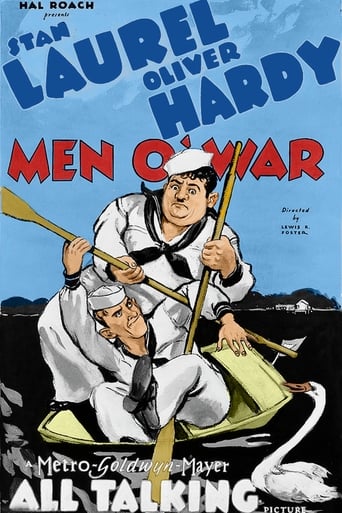
Men O' War
1929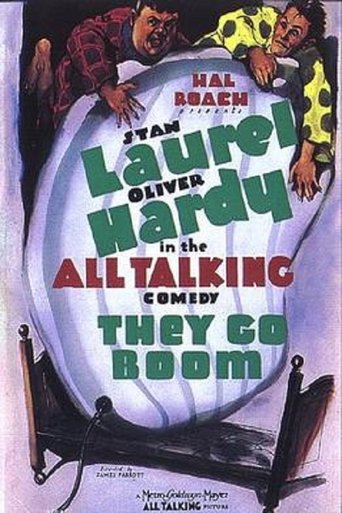
They Go Boom!
1929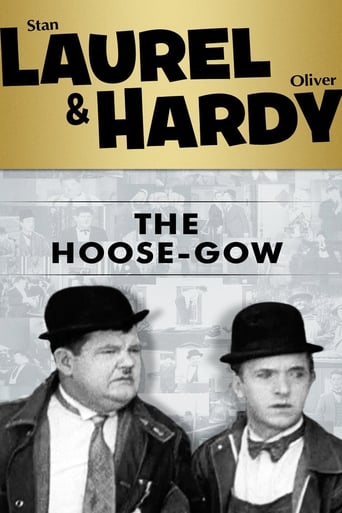
The Hoose-Gow
1929
Fluttering Hearts
1927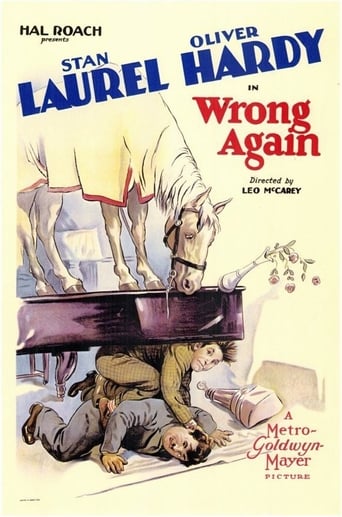
Wrong Again
1929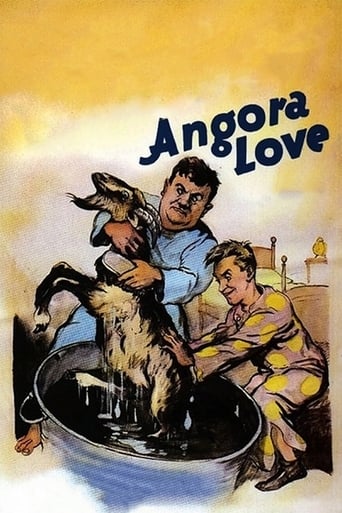
Angora Love
1929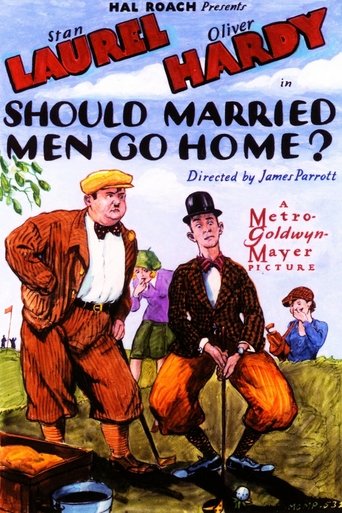
Should Married Men Go Home?
1928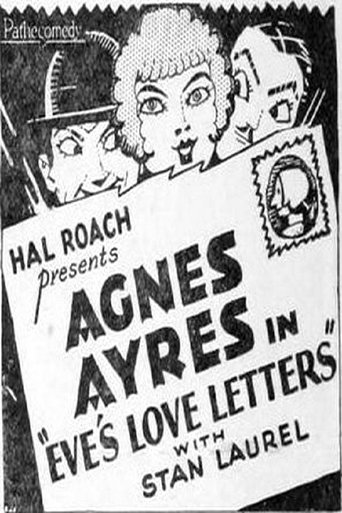
Eve's Love Letters
1927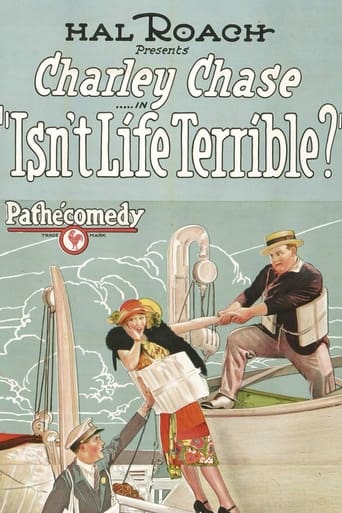
Isn't Life Terrible?
1925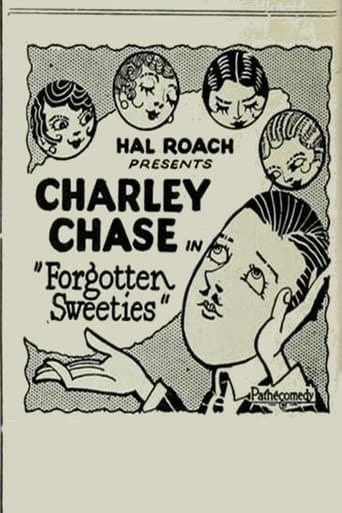
Forgotten Sweeties
1927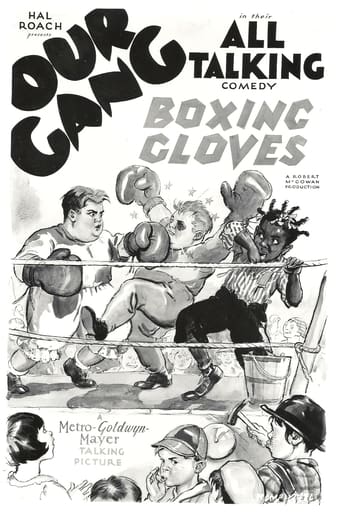
Boxing Gloves
1929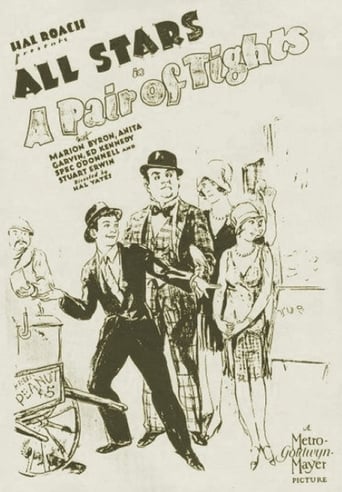
A Pair of Tights
1929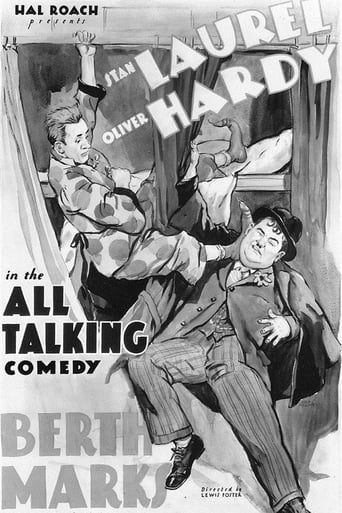
Berth Marks
1929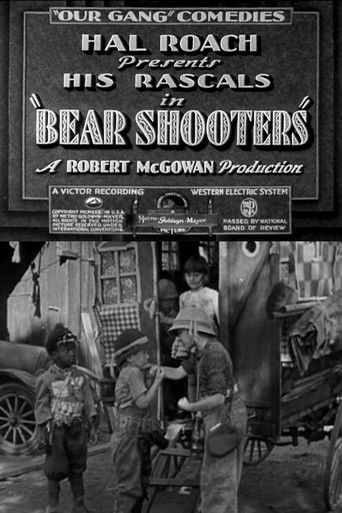
Bear Shooters
1930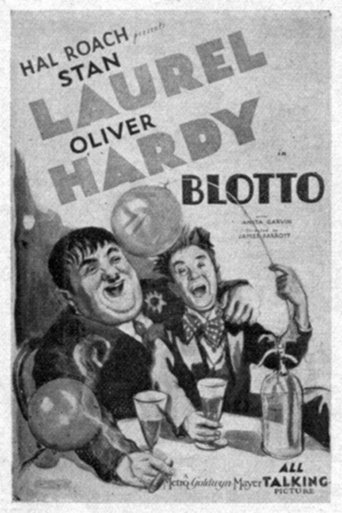
Blotto
1930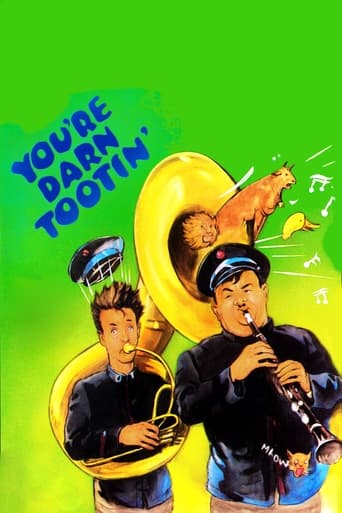
You're Darn Tootin'
1928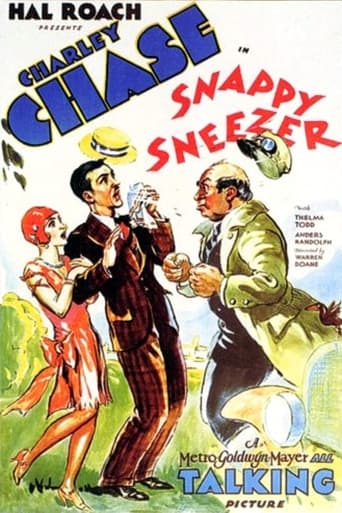
Snappy Sneezer
1929About Charlie Hall
Charlie Hall was prolific and recognizable character actors in Hollywood comedy during the silent and early sound eras. Born in Birmingham, England, he began his entertainment career in music halls before emigrating to the United States in the early 1920s. Hall found his niche at the Hal Roach Studios, where he became an indispensable part of the comedy ensemble, appearing in over 200 films throughout his career. His distinctive appearance - bald head, round face, and often wearing a bowler hat - made him instantly recognizable to audiences. Hall specialized in playing comic villains, foils, and antagonists, frequently clashing with comedy legends like Laurel and Hardy, Harold Lloyd, and Charley Chase. He had a remarkable ability to take physical comedy abuse while maintaining his dignity, making him the perfect straight man to the chaos around him. Despite never achieving leading man status, Hall's consistent presence in classic comedy shorts earned him a permanent place in film history as one of the greatest supporting comedians of his era.
The Craft
On Screen
Charlie Hall perfected the art of the comic antagonist, using his distinctive physical presence and impeccable timing to create memorable foils for comedy stars. His style combined deadpan expression with remarkable physical comedy skills, allowing him to endure slapstick abuse while maintaining character. Hall had a unique ability to convey frustration and indignation through subtle facial expressions and body language, making him the perfect straight man to chaotic comedy situations. He specialized in playing pompous, easily angered characters who would inevitably become victims of the main comedians' schemes, always maintaining his dignity even in the most humiliating circumstances.
Milestones
- Signed with Hal Roach Studios in 1924
- Became regular foil for Laurel and Hardy
- Appeared in over 200 films
- Transitioned successfully from silent to sound films
- Worked with virtually every major comedy star of the era
Best Known For
Iconic Roles
Must-See Films
Accolades
Special Recognition
- Inducted into the Sons of the Desert Hall of Fame
- Recognized as one of Hal Roach's most valuable supporting players
Working Relationships
Worked Often With
Studios
Why They Matter
Impact on Culture
Charlie Hall's impact on comedy cinema extends far beyond his supporting roles. He helped establish the template for the comic antagonist that would be used in comedy for decades to come. His work with Laurel and Hardy in particular contributed to some of the most beloved comedy sequences in film history, making him an integral part of their success. Hall's ability to maintain character dignity while enduring physical comedy abuse set a standard for supporting comedians that influenced generations of actors. His distinctive presence in hundreds of films made him.
Lasting Legacy
Charlie Hall's legacy endures through his extensive body of work, particularly his collaborations with Laurel and Hardy, which continue to be celebrated by comedy enthusiasts worldwide. Film historians recognize him as. His performances have been preserved and restored by film archives, ensuring that future generations can appreciate his unique comedic talents. Hall's influence can be seen in the work of later character actors who specialized in comic villainy and antagonism. The annual Sons of the Desert conventions often feature retrospectives of Hall's work, cementing his status as a beloved figure in classic comedy history.
Who They Inspired
Hall influenced generations of character actors through his mastery of the comic antagonist role. His technique of maintaining dignity while enduring slapstick became a template for supporting comedians in both film and television. His work with Laurel and Hardy demonstrated how a skilled foil could enhance the effectiveness of comedy teams, influencing how comedy duos were cast in subsequent decades. Television comedy shows of the 1950s and 60s frequently employed actors who emulated Hall's style of comic antagonism. His ability to convey frustration and indignation through subtle physical comedy influenced performers like Jackie Gleason and Jonathan Winters.
Off Screen
Charlie Hall married actress Bessie Love in 1929, though the marriage ended in divorce. He later married actress and model Genevieve Riker, with whom he had two children. Despite his prolific film career, Hall maintained a relatively private personal life and was known among colleagues as a consummate professional who never complained about the physically demanding nature of his roles. He struggled with health issues in his later years, which contributed to his relatively early death at age 60.
Education
Limited formal education; trained in English music halls and vaudeville circuits
Family
- Bessie Love (1929-1931)
- Genevieve Riker (1936-1959)
Did You Know?
- Was one of only a few actors to work with both Laurel and Hardy and The Three Stooges
- Often wore a bowler hat in his roles, which became his trademark
- Was a close friend of Stan Laurel off-screen
- Appeared in more Laurel and Hardy films than any other supporting actor
- His distinctive bald head was natural, not shaved for roles
- Was known as 'Charlie the Pest' among studio personnel
- Could perform his own stunts despite his stocky build
- Was left-handed, which occasionally created continuity issues in films
- Spoke with a slight English accent throughout his career
- Was paid $25 per day during his early years at Hal Roach Studios
- Once appeared in 47 films in a single year (1926)
- Was a skilled boxer before entering show business
In Their Own Words
(As frustrated landlord) 'You'll pay for this!' (repeated in various Laurel and Hardy films)
(To Stan Laurel) 'Why you.!' (often interrupted before completing the threat)
(After being doused with water) 'My new suit!'
(To Oliver Hardy) 'This is all your fault!'
Frequently Asked Questions
Who was Charlie Hall?
Prolific British-American character with credits in this catalog. He appeared in over 200 films, primarily as a comic antagonist and foil to comedy legends like Laurel and Hardy, Harold Lloyd, and Charley Chase at Hal Roach Studios.
What films is Charlie Hall best known for?
Titles linked here include The Music Box (1932), Sons of the Desert (1933).
When was Charlie Hall born and when did he die?
Born August 19, 1899; died December 7, 1959.
What awards did Charlie Hall win?
Charlie Hall did not receive major formal awards during his lifetime, but he has been posthumously honored with induction into the Sons of the Desert Hall of Fame and is recognized as.
What was Charlie Hall's acting style?
Hall specialized in playing comic antagonists with a distinctive style combining deadpan expression, impeccable timing, and remarkable physical comedy skills. He was known for maintaining character dignity while enduring slapstick abuse, making him the perfect foil to comedy stars.
How many films did Charlie Hall appear in?
Charlie Hall appeared in over 200 films throughout his career, making him. He worked consistently from 1915 through the 1950s, with his most productive period being the 1920s and 1930s at Hal Roach Studios.
Did Charlie Hall work with Laurel and Hardy?
Yes, Charlie Hall was one of Laurel and Hardy's most frequent supporting actors, appearing in more of their films than any other actor. He played various antagonists and foils to the comedy duo in both their silent and sound shorts and feature films.