
They Go Boom!
"No sleep on this side of the wall"
Keys: Space play/pause · ←/→ 10s · F fullscreen · M mute · </> speed
About this film
Stan and Ollie share a rented room while a cold keeps Ollie coughing and Stan snoring; every remedy sparks new destruction. Roach's first Laurel and Hardy talkie converts insomnia into sound-era slapstick.
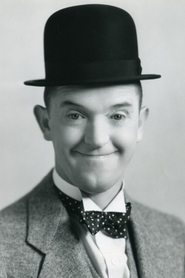
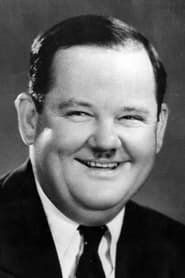
Cast & crew
More films like this
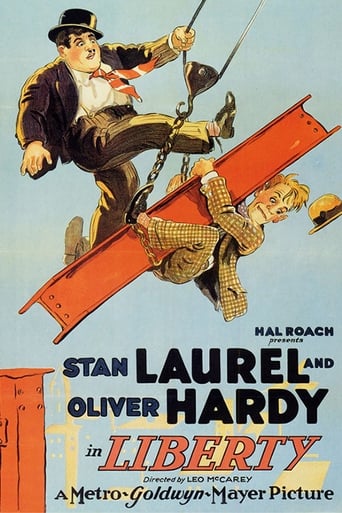
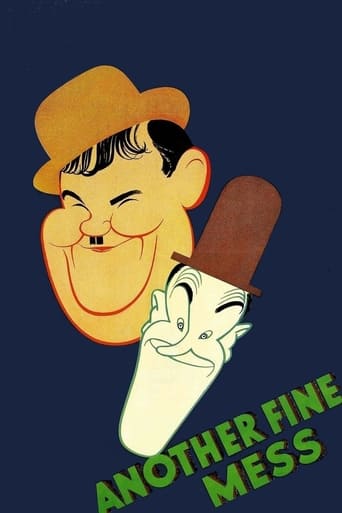
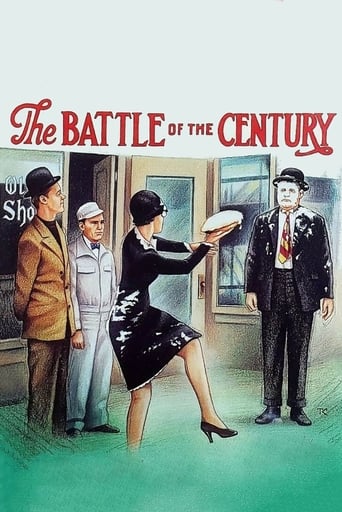
More Comedy films
View all →







More from James Parrott
View all →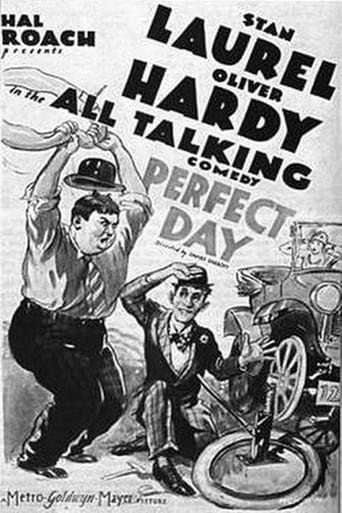

More about this film
About the production
Release dateJune 29, 1929
Box officeUnknown (short films were typically packaged as part of theater bills rather than individually tracked)
ProductionHal Roach Studios, Metro-Goldwyn-Mayer (distributor)
Filmed inHal Roach Studios, Culver City, California
This was one of Laurel and Hardy's early sound shorts, filmed during the challenging transition period from silent to talkies. The production had to contend with primitive sound recording equipment, which limited camera movement and required actors to remain relatively stationary. The film was shot with the Vitaphone sound-on-disc system, which synchronized separate audio discs with the film projection. The claustrophobic single-room setting was partially a practical solution to the technical limitations of early sound recording.
Themes
Domestic chaosSleep deprivationConflict resolutionFriendship through adversityThe comedy of frustration
Themes & topics
boarding housecoldsnoringinsomniaroommatespranksdestructionlandlordmedicinenoise
Historical background
They Go Boom! (1929) arrived as Hal Roach converted silent teams to synchronized sound one-reelers.
Why this film matters
The sick-room premise became a repeatable Laurel and Hardy structure for acoustic gags.
Making of
The filming of 'They Go Boom!' presented unique challenges as Laurel and Hardy were still adapting to the new requirements of sound cinema. Unlike their silent films where they could move freely and use physical comedy without restraint, the early sound recording equipment required them to remain close to microphones hidden on set. Director James Parrott had to carefully choreograph the physical comedy to work within these technical limitations. The famous scene where Stan tries to cure Ollie's cold required multiple takes due to timing issues with the sound effects. Oliver Hardy actually did have a cold during filming, which added authenticity to his coughing fits but also caused production delays. The bed destruction sequence was filmed in one continuous take to maintain comedic timing, with the actors performing their own stunts. The production team created a special breakaway bed prop that could collapse safely while still looking realistic on camera.
What critics said
Trade reviews welcomed their sound timing; fans still cite the sneezing powder climax.
Did you know?
- This was one of Laurel and Hardy's first films to be released with synchronized sound, though they had previously made silent films with musical accompaniment.
- The film's title 'They Go Boom!' refers both to the explosive chaos in the room and the loud noises that keep the characters awake.
- Charlie Hall, who plays the landlord, was a frequent antagonist in Laurel and Hardy films, appearing in over 30 of their movies.
- The medicine bottle Stan uses contains actual nose drops, which were a common cold remedy in the 1920s.
- The bed-breaking gag was so convincing that many viewers believed the actors had actually injured themselves during filming.
- This short was remade in 1938 as 'A Chump at Oxford' with some similar elements, though the plot was significantly expanded.
- The film was released just months before the stock market crash of 1929, making it one of the last comedy shorts of the roaring twenties.
- Stan Laurel reportedly suffered from insomnia in real life, making his portrayal of a disruptive sleeper particularly ironic.
- The original script included additional gags involving a radiator that had to be cut due to time constraints.
- The film's sound effects were created live in the studio using various props, including coconuts for the head-banging sounds.
Visual style
The cinematography in They Go Boom! reflects the technical constraints of early sound filming while still managing to create visual interest within a confined space. Cinematographer George Stevens (who would later become a renowned director) worked with stationary cameras due to the noise created by camera movements in early sound recording. The film uses careful composition within the single room set, with the bed serving as the central visual anchor. Lighting was particularly challenging as early sound stages required additional soundproofing that limited natural light. Stevens employed dramatic lighting contrasts to emphasize the nighttime setting and create visual depth in the small space. The camera work during the chaotic sequences maintains clarity despite the rapid action, using medium shots that capture both the performers and their immediate environment. The cinematography successfully balances the technical requirements of sound filming with the visual needs of physical comedy.
Innovations
They Go Boom! showcased several technical innovations for early sound cinema, particularly in its use of sound effects for comedic purposes. The film demonstrated how synchronized sound could enhance physical comedy rather than hinder it, a significant achievement during a period when many comedians struggled with the transition to talkies. The production team developed creative solutions for recording clear dialogue during physical comedy sequences, including hidden microphones and careful sound mixing. The film's successful integration of sound effects with visual gags influenced subsequent comedy productions. The bed destruction sequence featured innovative sound engineering that created realistic crashing noises while maintaining audio clarity. The technical crew also pioneered methods for reducing echo in small sets, a common problem in early sound recording. These achievements helped establish technical standards for sound comedy that would influence the industry for years to come.
Music
The soundtrack for They Go Boom! was recorded using the Vitaphone sound-on-disc system, which was cutting-edge technology for 1929. The musical score was composed by Leroy Shield, who created many of the memorable themes for Hal Roach productions. The film's sound design was particularly innovative for its time, using various everyday objects to create comedic sound effects. The coughing, snoring, and crashing sounds were carefully synchronized with the action, creating a rhythmic comedy of audio and visual elements. The film also features diegetic music from a radio that briefly plays in the background, adding to the domestic atmosphere. Unlike many early sound films that suffered from poor audio quality, They Go Boom! maintained relatively clear sound throughout, thanks to the controlled indoor setting. The soundtrack demonstrates how Laurel and Hardy quickly mastered the art of sound comedy, using audio as an essential component of their humor rather than just a technical necessity.
Famous quotes
Ollie: 'Can't you keep your mouth shut when you're sleeping?' Stan: 'I wasn't sleeping, I was just resting my eyes.'
Ollie: 'Every time I get to sleep, you start that noise!' Stan: 'What noise?' Ollie: 'That snoring!' Stan: 'I don't snore!' Ollie: 'You sound like a foghorn!'
Memorable scenes
- The escalating sequence where Stan tries various methods to cure Ollie's cold, culminating in the disastrous use of nose drops that causes Ollie to spray the medicine everywhere. The bed destruction scene where their attempts to silence each other's noises result in the complete collapse of their sleeping arrangements, leaving both men tangled in the wreckage. The final frantic chase with the landlord that combines all the previous chaos into a crescendo of comedic disaster, with all three men slipping and sliding across the destroyed room.
What audiences thought
Audiences in 1929 enthusiastically embraced They Go Boom!, finding relief in its comedy during increasingly uncertain economic times. Theater owners reported that the short received hearty laughter and applause, with many requesting it for return engagements. The film's relatable premise of sleepless nights resonated with viewers who had experienced similar frustrations. Contemporary audience letters to movie magazines praised the film's clever use of sound and the duo's impeccable timing. Modern audiences continue to appreciate the film through revival screenings and home video releases, with comedy fans often citing it as a favorite Laurel and Hardy short. The film has maintained its appeal across generations, proving that the comedy of frustration and escalating chaos remains universally funny. Fan clubs dedicated to Laurel and Hardy frequently screen the film at their conventions, and it remains popular on streaming platforms dedicated to classic cinema.
Film connections
Influenced by
- Laurel and Hardy's earlier silent shorts
- Stage comedy routines about sleepless nights
- Vaudeville domestic comedy sketches
- Chaplin's domestic comedies
- Keaton's technical comedy style
This film influenced
- The Music Box (1932)
- Sons of the Desert (1933)
- Our Relations (1936)
- A Chump at Oxford (1938)
- Modern television sitcoms with confined settings
Film restoration
The film is well-preserved with complete copies existing in major film archives including the Library of Congress, UCLA Film & Television Archive, and the Museum of Modern Art. The original Vitaphone discs have been preserved and synchronized with surviving film elements. The film has been digitally restored by several distributors, with versions available on DVD and Blu-ray that feature improved picture and sound quality. Unlike many films from this era, They Go Boom! survived the transition to sound and the subsequent neglect of short films, thanks to Laurel and Hardy's enduring popularity and the efforts of dedicated preservationists.
Where to watch
- The Criterion Channel (streaming)
- Kino Lorber DVD collections
- The Laurel & Hardy Collection on Blu-ray
- Public domain streaming sites
- Classic movie streaming services like Flicker Alley
- Film archives and museum screenings
- YouTube (public domain versions)