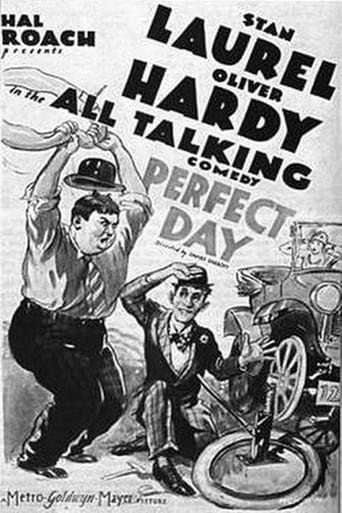

James Parrott
Actor & Director
Born: August 2, 1897 in Baltimore, Maryland, USA Died: May 10, 1940 Active: 1917-1939 Birth Name: James Gibbons Parrott
Films
16 films
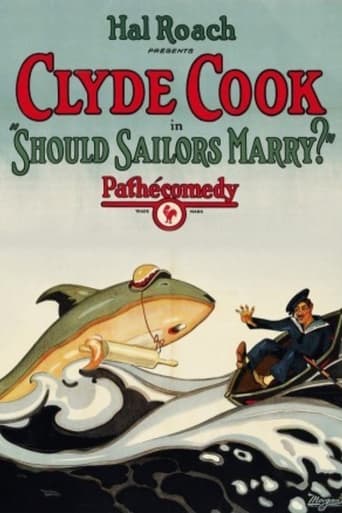
Should Sailors Marry?
1925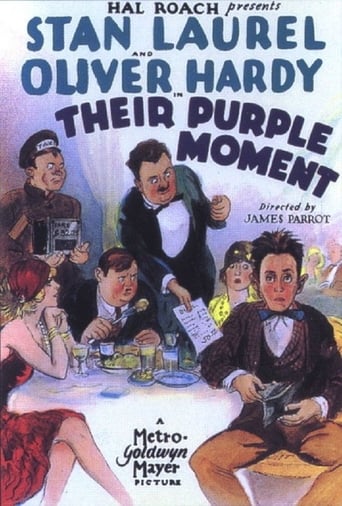
Their Purple Moment
1928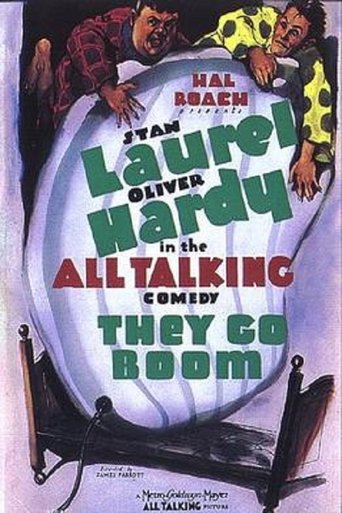
They Go Boom!
1929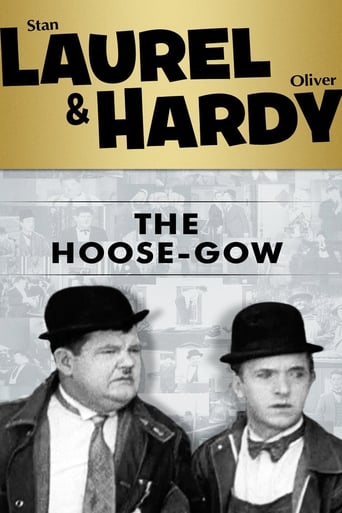
The Hoose-Gow
1929
Fluttering Hearts
1927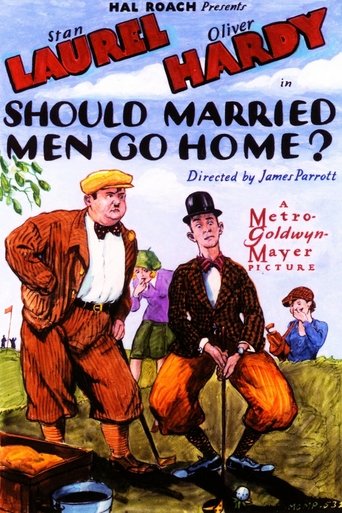
Should Married Men Go Home?
1928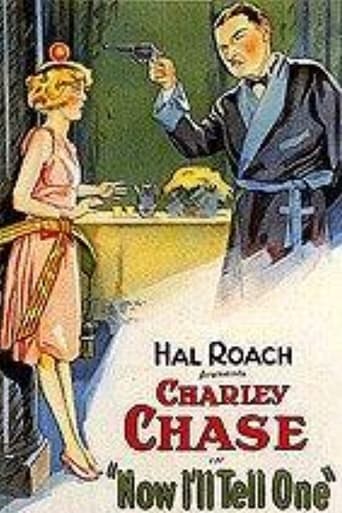
Now I'll Tell One
1927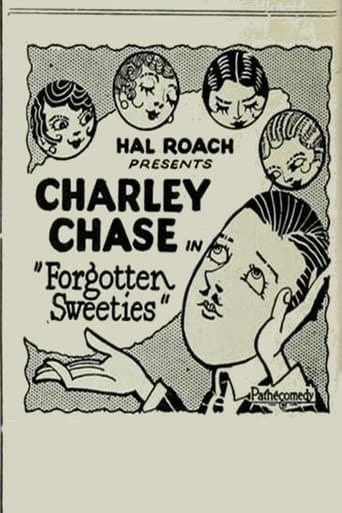
Forgotten Sweeties
1927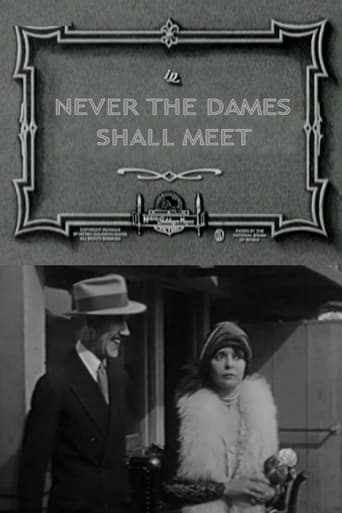
Never the Dames Shall Meet
1927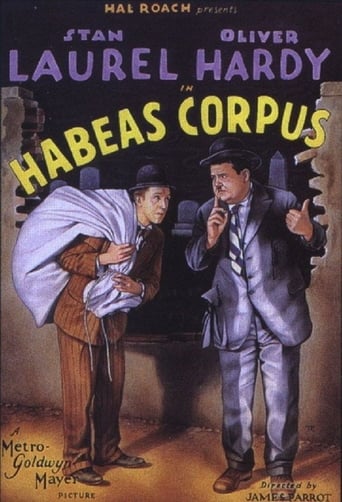
Habeas Corpus
1928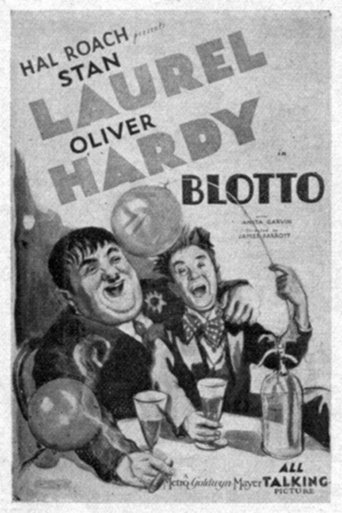
Blotto
1930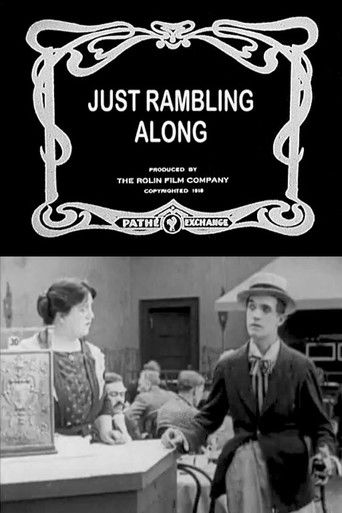
Just Rambling Along
1918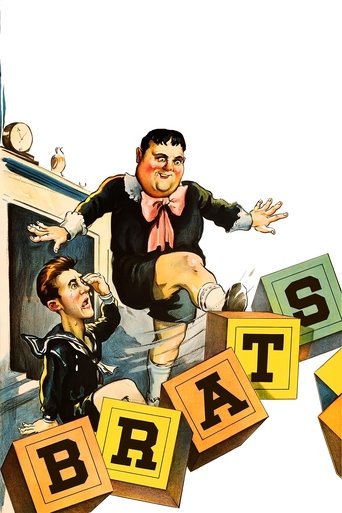
Brats
1930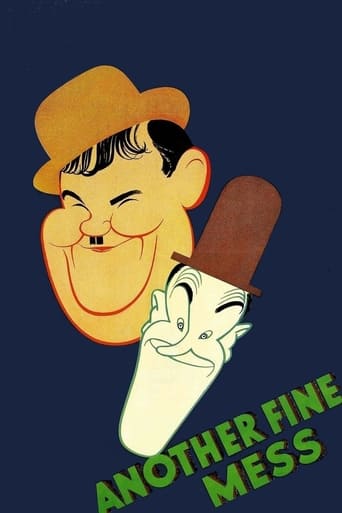
Another Fine Mess
1930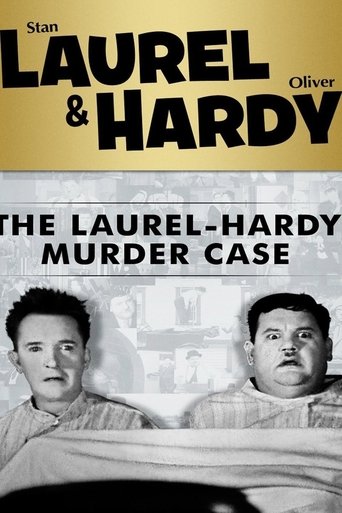
The Laurel-Hardy Murder Case
1930About James Parrott
James Gibbons Parrott — American film director and actor who became comedy directors of the silent era and early sound period. Born in Baltimore, Maryland, he began his career in entertainment as a vaudeville performer before transitioning to films in the mid-1910s. Parrott initially worked as an actor, often appearing in comedy shorts for various studios, before finding his true calling behind the camera at Hal Roach Studios. His directorial career flourished in the late 1920s when he became one of the principal directors for Laurel and Hardy, helping to shape their comedy style and directing many of their most celebrated silent shorts. Parrott's meticulous approach to comedy direction, his innovative use of visual gags, and his ability to perfectly time slapstick sequences made him invaluable to the Roach studio. He successfully transitioned to sound films, continuing his work with Laurel and Hardy while also directing other comedy series. Despite his professional success, Parrott struggled with personal demons, particularly alcoholism, which ultimately led to his premature death at age 42. His contributions to early comedy cinema, while sometimes overshadowed by his more famous collaborators, remain significant in the development of American film comedy.
The Craft
On Screen
As an actor, Parrott specialized in supporting comic roles, often playing straight men or minor comic characters in shorts. His acting style was typical of the period's comedy performers, emphasizing physical comedy and exaggerated expressions. However, his true talents lay in direction rather than performance.
Behind the Camera
Parrott's directing style was characterized by meticulous planning, precise timing of visual gags, and innovative camera work that enhanced comedic effects. He was known for his ability to construct elaborate slapstick sequences with multiple moving parts, ensuring each element contributed to the overall comedic impact. His direction emphasized physical comedy over dialogue, making him particularly effective during the silent era. Parrott had a keen understanding of comedic rhythm and pacing, often building jokes through careful escalation of absurdity.
Milestones
- Transitioned from actor to successful comedy director at Hal Roach Studios
- Directed many of Laurel and Hardy's most acclaimed silent shorts
- Successfully guided the transition from silent to sound comedy films
- Helped establish the visual comedy language that influenced generations of filmmakers
- Directed 'The Battle of the Century' (1927), considered one of the greatest comedy shorts ever made
Best Known For
Iconic Roles
Must-See Films
Accolades
Special Recognition
- Contributions recognized in Laurel and Hardy film histories and retrospectives
- His films preserved and studied by film scholars and comedy historians
Working Relationships
Worked Often With
Studios
Why They Matter
Impact on Culture
James Parrott played a crucial role in shaping the language of American film comedy during its formative years. His work with Laurel and Hardy helped establish many of the visual comedy techniques that would become standard in the genre. The films he directed, particularly during the silent era, demonstrated how comedy could transcend language barriers through purely visual storytelling. His meticulous approach to constructing gags and his innovative use of editing to enhance comedic timing influenced generations of comedy directors. Parrott's films continue to be studied by film scholars and comedians as masterclasses in visual comedy construction.
Lasting Legacy
James Parrott's legacy lies primarily in his contributions to the Laurel and Hardy film canon and the development of American comedy cinema. While his name may not be as widely recognized as some of his contemporaries, his directorial work on classic comedy shorts has ensured his place in film history. The films he directed continue to entertain audiences nearly a century after their creation, demonstrating the timelessness of his comedic vision. His techniques for building and executing visual gags remain relevant to contemporary comedy filmmakers, and his work is frequently cited in studies of silent comedy and early sound film techniques.
Who They Inspired
Parrott influenced numerous comedy directors who followed, particularly those working in the short film format. His methods of constructing escalating comedy sequences and his understanding of visual timing became part of the standard toolkit for comedy directors. His work with Laurel and Hardy established patterns that would be copied and adapted by countless comedy teams in subsequent decades. Contemporary comedy filmmakers continue to study his techniques for building gags and orchestrating complex comedic sequences.
Off Screen
James Parrott was the younger brother of comedian Charley Chase (Charles Parrott), who was also a major star at Hal Roach Studios. The brothers worked together at various points in their careers, with James sometimes directing films starring Charley. Parrott married Ruby Ellen McCoy in 1928, but the marriage ended in divorce. He struggled with alcoholism throughout his adult life, which increasingly affected his work and health in the 1930s. His personal struggles ultimately contributed to his early death from a heart attack at age 42.
Education
Limited formal education; primarily self-taught in film craft through practical experience in vaudeville and early film production
Family
- Ruby Ellen McCoy (1928-1936)
Did You Know?
- Was the younger brother of comedian Charley Chase, both worked extensively at Hal Roach Studios
- Began his career as a child performer in vaudeville
- Directed 'The Battle of the Century' (1927), featuring what many consider the greatest pie fight in cinema history
- Struggled with alcoholism which eventually led to his professional decline and early death
- Often worked uncredited as a script supervisor and gag writer on films he didn't direct
- His directing career peaked during the transition from silent to sound films
- Was known for his perfectionism on set, often requiring multiple takes to get comedic timing exactly right
- Worked with virtually every major comedy star at Hal Roach Studios during his tenure
- His films are frequently cited by contemporary comedians as influences on their own work
- Died relatively young at 42, leaving behind a substantial but incomplete filmography
In Their Own Words
Comedy is timing, and timing is everything in film.
The best gag is one that builds naturally and surprises the audience while still making perfect sense in context.
Working with Laurel and Hardy was like conducting an orchestra of chaos - beautiful, precise chaos.
Frequently Asked Questions
Who was James Parrott?
American on YTB.my. He was best known for directing many of Laurel and Hardy's most celebrated comedy shorts at Hal Roach Studios, helping to establish their iconic comedy style and contributing significantly to the development of American film comedy.
What films is James Parrott best known for?
Titles linked here include The Battle of the Century (1927), Big Business (1929).
When was James Parrott born and when did he die?
Born August 2, 1897; died May 10, 1940.
What was James Parrott's relationship to Charley Chase?
James Parrott was the younger brother of comedian Charley Chase (born Charles Parrott). Both brothers worked extensively at Hal Roach Studios, with Charley becoming a major comedy star while James established himself as a prominent director. They occasionally collaborated professionally, with James sometimes directing films starring his brother.
What was James Parrott's directing style?
Parrott's directing style emphasized meticulous planning, precise timing of visual gags, and innovative camera work that enhanced comedic effects. He excelled at constructing elaborate slapstick sequences with multiple elements working together, had a keen understanding of comedic rhythm and pacing, and was particularly effective during the silent era when visual storytelling was paramount.