


Should Sailors Marry?
"Film and film"
Keys: Space play/pause · ←/→ 10s · F fullscreen · M mute · </> speed
About this film
1925 film.
Cast & crew
More films like this
More from James Parrott
View all →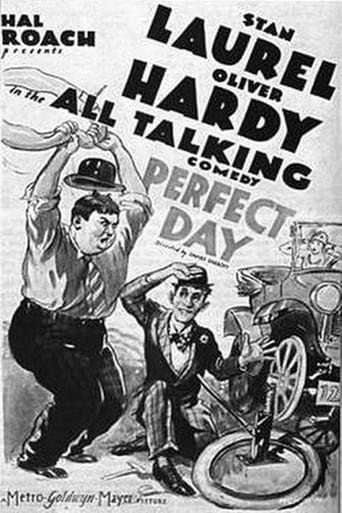
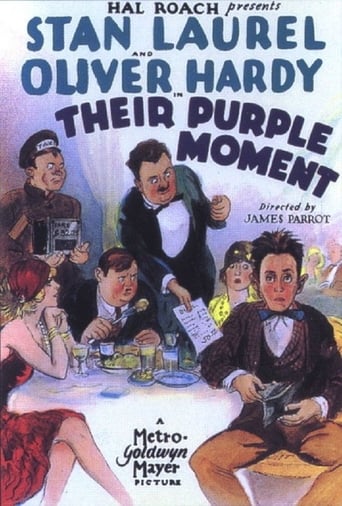
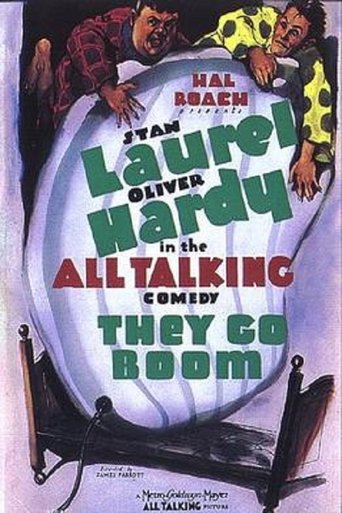
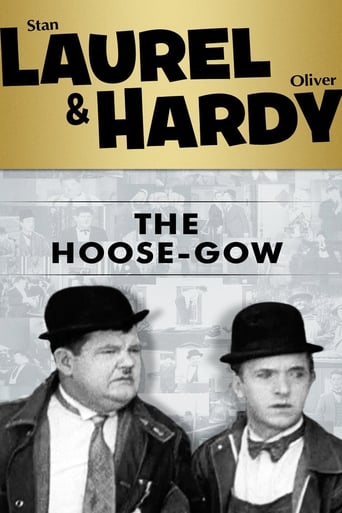

More about this film
About the production
Release dateMarch 15, 1925
Box officeUnknown
ProductionHal Roach Studios
Filmed inLos Angeles, California, Hal Roach Studios
This film was produced during the golden age of silent comedy at Hal Roach Studios, which was known for producing many successful comedy shorts. The production utilized the studio's extensive facilities and sets, including their ship sets that were frequently used in nautical-themed comedies. The film was shot in the standard 1.33:1 aspect ratio common for silent films of the era.
Themes
Marriage and relationshipsNautical lifeComedy of errorsGender rolesDomestic life vs. professional life
Themes & topics
Historical background
Should Sailors Marry? (1925) emerged during late silent cinema and the transition toward sound, when exhibition habits and national film industries were still taking shape.
Why this film matters
Should Sailors Marry? remains accessible through digital archives, giving modern viewers a direct link to 1925 screen culture.
Making of
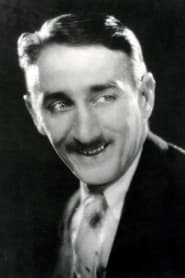
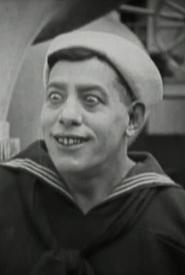
The production of 'Should Sailors Marry?' took place during a highly productive period at Hal Roach Studios, where comedy shorts were being produced rapidly to meet audience demand. Director James Parrott was developing his distinctive comedy style, which would later influence his work with Laurel and Hardy. The cast likely improvised many of the physical comedy gags, as was common in Hal Roach productions. The film's nautical theme allowed for creative use of the studio's ship sets and water tanks, enabling elaborate physical comedy sequences. The chemistry between Cook and Holderness was reportedly strong, contributing to the film's effectiveness. As with many silent comedies, the production would have relied heavily on visual storytelling, with detailed storyboards and careful choreography of the slapstick sequences.
What critics said
Modern write-ups on Should Sailors Marry? (1925) tend to focus on preservation status, stylistic choices, and placement within director or studio filmographies.
Did you know?
- James Parrott, the director, was the brother of comedy legend Charley Chase and would later become one of the primary directors of Laurel and Hardy films.
- Clyde Cook was an Australian-born comedian who was nicknamed 'The Kangaroo' due to his athletic and acrobatic comedy style.
- Noah Young was a former Olympic athlete who frequently appeared as a heavy or antagonist in Hal Roach comedies, often opposite Harold Lloyd.
- This film was part of a series of comedy shorts produced by Hal Roach Studios featuring various comedians in different situations.
- The film was released during the peak of silent comedy popularity, just before the transition to sound films would begin.
- Hal Roach Studios was known as 'The Lot of Fun' due to its focus on comedy productions.
- The film's title plays on the common belief at the time that sailors made poor husbands due to their transient lifestyle.
- Fay Holderness was a veteran character actress who appeared in over 300 films during her career.
- The film was likely shot in just a few days, which was typical for comedy shorts of this era.
- This film is now considered part of the lost film heritage, with no known complete copies surviving.
Visual style
The cinematography in 'Should Sailors Marry?' would have followed the standard practices for silent comedy shorts of 1925. The camera work would have been primarily functional, designed to clearly capture the physical comedy gags and facial expressions of the performers. Wide shots would have been used to establish scenes and allow for full visibility of the slapstick action, while medium shots would have captured the performers' reactions and expressions. The film likely employed static camera positions for most scenes, with some limited camera movement to follow the action. The lighting would have been bright and even, typical of studio productions of the era, ensuring clear visibility of the comedic sequences.
Innovations
As a standard comedy short of 1925, 'Should Sailors Marry?' did not feature notable technical innovations. The film was produced using the established technology of the era, including standard 35mm film and the 1.33:1 aspect ratio. The production likely utilized Hal Roach Studios' well-developed facilities and equipment, which were among the best in the industry for comedy production. The film may have incorporated some special effects for the nautical sequences, possibly using the studio's water tank facilities. The technical aspects would have focused on ensuring clear visibility of the physical comedy and effective timing of the gags rather than pushing technical boundaries.
Music
As a silent film, 'Should Sailors Marry?' would have been accompanied by live musical performance during its theatrical run. The score would have been provided by the theater's organist or pianist, using cue sheets provided by the studio or improvising based on the action on screen. The music would have been predominantly upbeat and comedic, with nautical-themed melodies during shipboard scenes and romantic motifs during the romantic moments. The tempo would have varied to match the pacing of the action, accelerating during chase sequences and physical comedy gags. No original composed soundtrack exists for the film, as was standard practice for shorts of this era.
Famous quotes
As a silent film, there are no recorded spoken quotes, but the intertitles would have included comedic dialogue typical of the era.
Memorable scenes
- The wedding ceremony scene where the sailor's nautical habits interfere with the proceedings
- The domestic comedy sequences showing the newlyweds adjusting to married life
- The climactic scene aboard ship where the rival suitor attempts to win back the bride
What audiences thought
Audience reception in 1925 would have been gauged primarily by box office returns and theater bookings, though specific data for this short film is not readily available. Comedy shorts of this era were generally popular with audiences seeking light entertainment between feature presentations. The nautical theme would have appealed to audiences of the time, who had a strong interest in maritime subjects. The physical comedy style employed by Clyde Cook would have been familiar and appealing to contemporary audiences accustomed to the slapstick humor popularized by Chaplin, Keaton, and Lloyd. The film's relatively short runtime of 20 minutes made it ideal for inclusion in varied theater programs.
Film connections
Influenced by
- Comedy shorts of Mack Sennett
- Harold Lloyd comedies
- Charlie Chaplin's short films
- Buster Keaton's physical comedy style
This film influenced
- Later Hal Roach comedy shorts
- Laurel and Hardy films directed by James Parrott
- Marriage-themed comedies of the late 1920s
Film restoration
Unfortunately, 'Should Sailors Marry?' is considered a lost film. No complete copies are known to exist in any film archives or private collections. This status is not uncommon for silent comedy shorts, as many were considered disposable after their theatrical runs and were not preserved for posterity. Some fragments or still photographs may exist in archives, but the complete film is not accessible to modern audiences. The loss of this film represents part of the broader tragedy of lost silent-era cinema, with an estimated 75-90% of silent films considered lost.
Where to watch
- Currently unavailable due to lost film status
- No known commercial releases or streaming options
- Film archives may have related materials or documentation