
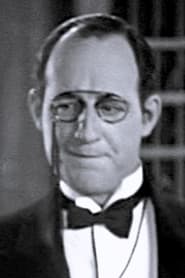
William Gillespie
Actor
Born: January 14, 1894 in Glasgow, Scotland Died: June 23, 1938 Active: 1915-1929 Birth Name: William Henderson Gillespie
Films
31 films
Dr. Jack
1922
Among Those Present
1921
Double Whoopee
1929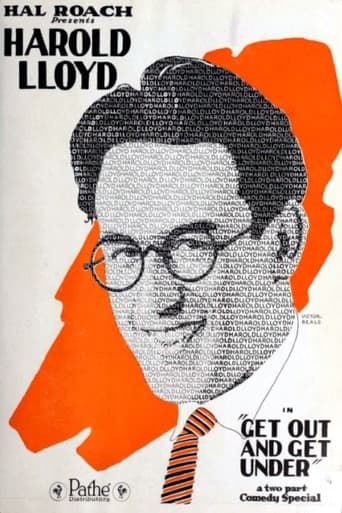
Get Out and Get Under
1920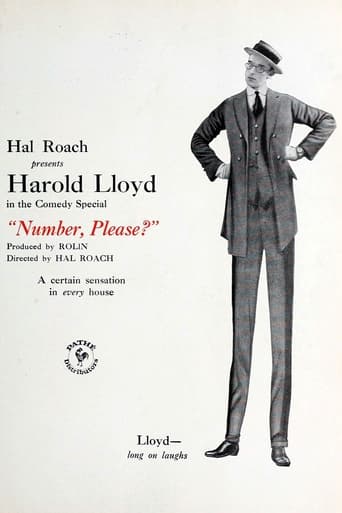
Number, Please?
1920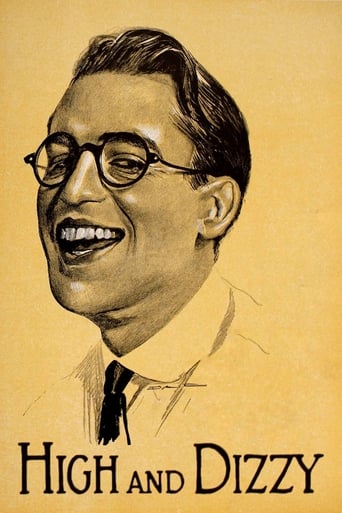
High and Dizzy
1920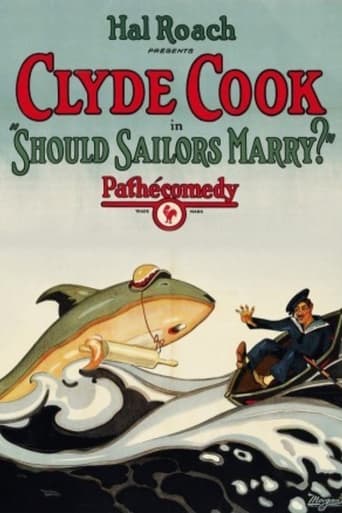
Should Sailors Marry?
1925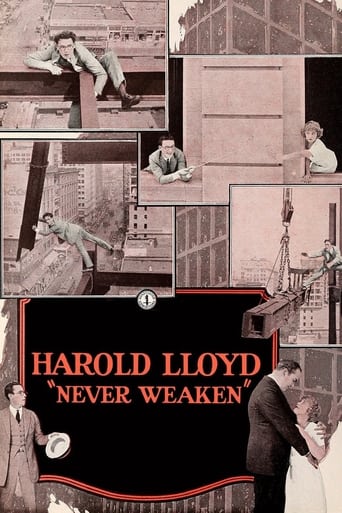
Never Weaken
1921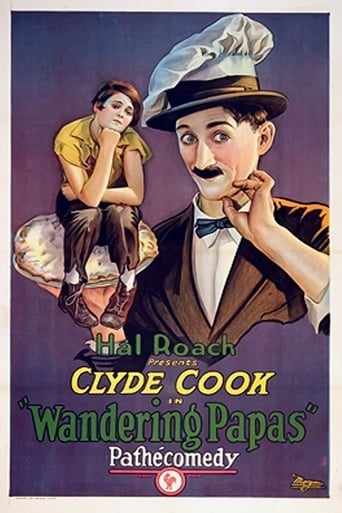
Wandering Papas
1926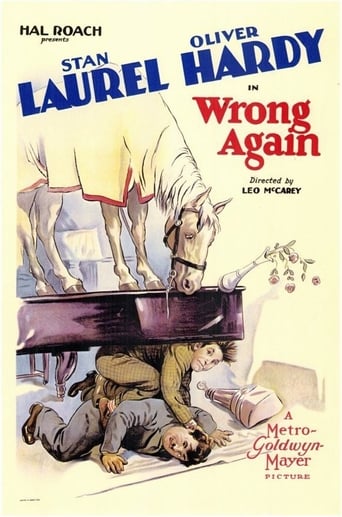
Wrong Again
1929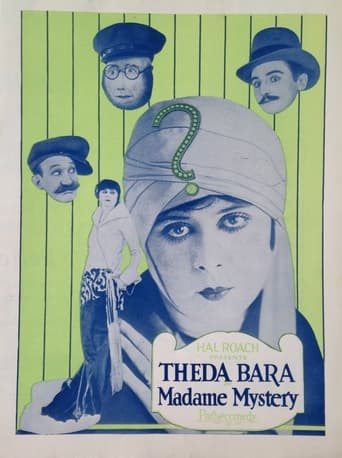
Madame Mystery
1926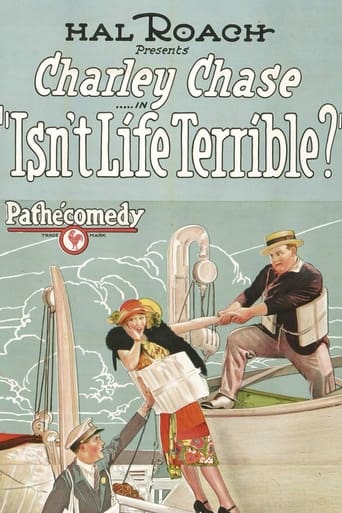
Isn't Life Terrible?
1925
All Wet
1924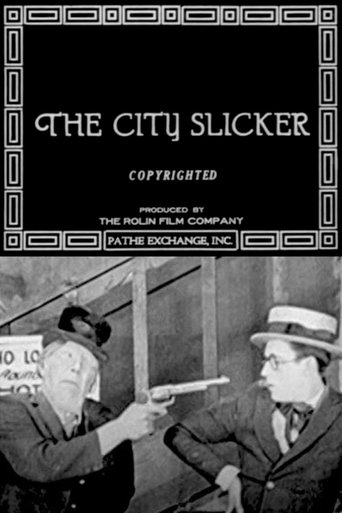
The City Slicker
1918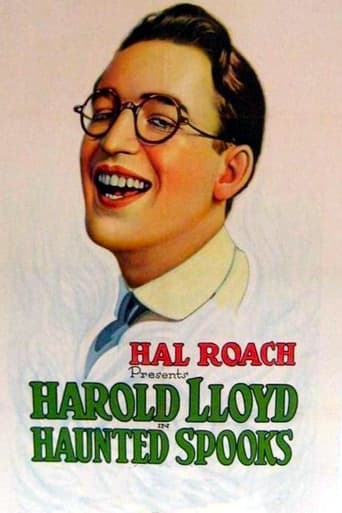
Haunted Spooks
1920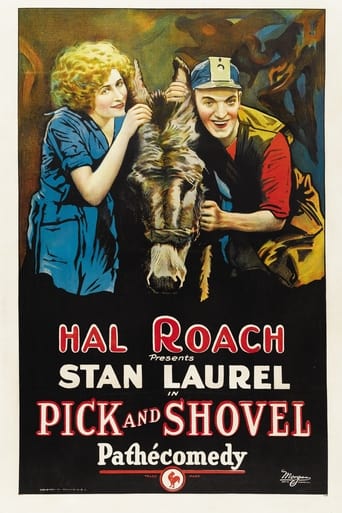
Pick and Shovel
1923
Brothers Under the Chin
1924
Bliss
1917
It's a Gift
1923
The Flirt
1917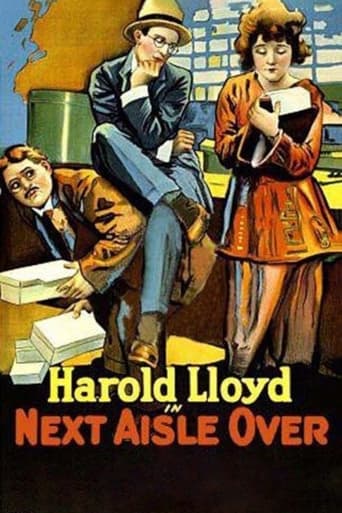
Next Aisle Over
1919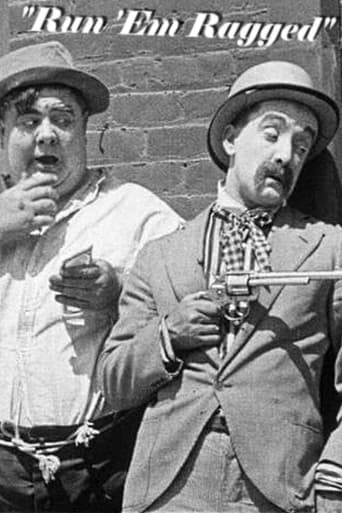
Run 'Em Ragged
1920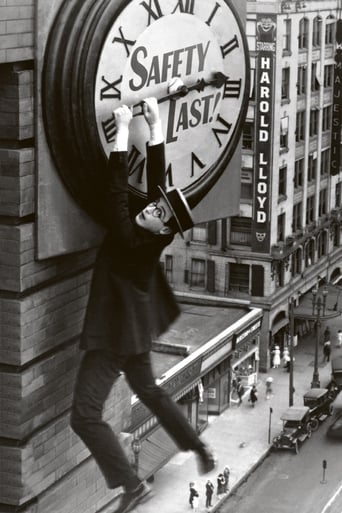
Safety Last!
1923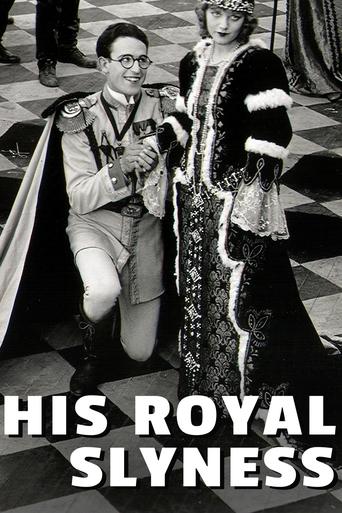
His Royal Slyness
1920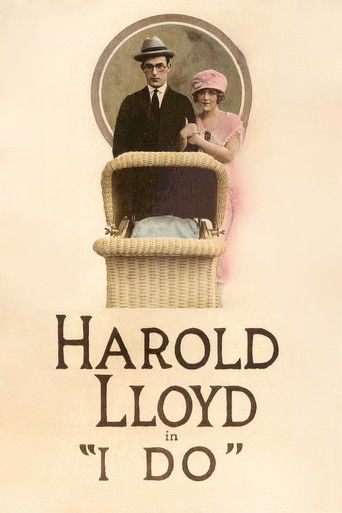
I Do
1921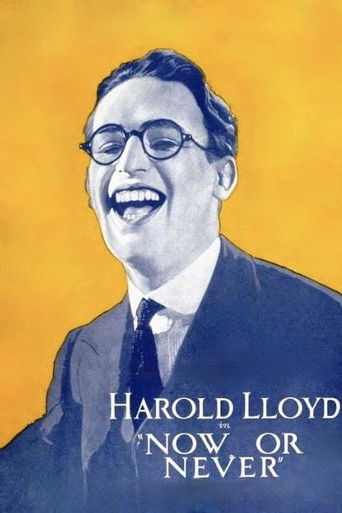
Now or Never
1921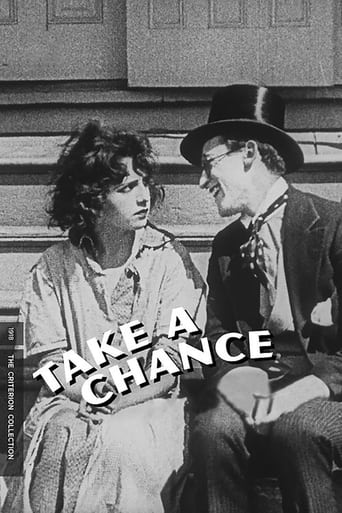
Take a Chance
1918
That's Him
1918
Scorching Sands
1923
Why Worry?
1923About William Gillespie
Prolific Scottish actor who became a familiar face in American silent cinema, particularly through his numerous collaborations with comedy legend Charlie Chaplin. Born in Glasgow, Scotland, he immigrated to the United States and began his film career in the mid-1910s, quickly establishing himself as a reliable character actor with a distinctive mustache and versatile acting range. Gillespie appeared in more than 150 films between 1915 and 1929, working not only with Chaplin but also with other comedy greats like Harold Lloyd, Buster Keaton, and Charley Chase. His most notable work came during his tenure at the Chaplin Studios, where he played various supporting roles in several of Chaplin's classic shorts and features. Despite his extensive filmography, Gillespie remained primarily a supporting player rather than a leading man, though his contributions to many classic comedies were invaluable. His career effectively ended with the transition to sound films, as his thick Scottish accent limited his opportunities in the new medium. Gillespie's life was cut short when he died of a heart attack at the relatively young age of 44, leaving behind a rich legacy of silent film performances.
The Craft
On Screen
Gillespie was known for his versatile character acting, able to play both comedic and dramatic roles with equal skill. His distinctive appearance, complete with prominent mustache, made him instantly recognizable to audiences of the era. He possessed excellent timing for physical comedy while maintaining a dignified presence that made him equally effective in more serious supporting roles. His background in Scottish theater gave him a solid foundation in character development that translated well to the silent screen.
Milestones
- Frequent collaborator with Charlie Chaplin at Chaplin Studios
- Appeared in over 150 silent films
- Notable supporting roles in Chaplin classics including 'The Kid' and 'The Gold Rush'
- Worked with major comedy stars including Harold Lloyd and Buster Keaton
- Transition from Scottish stage actor to Hollywood character player
Best Known For
Iconic Roles
Must-See Films
Accolades
Special Recognition
- Recognized as one of Chaplin's regular stock company actors
- Contributions documented in Chaplin film scholarship
Working Relationships
Worked Often With
Studios
Why They Matter
Impact on Culture
William Gillespie represents the essential but often overlooked supporting actors who were crucial to the success of silent comedy. As a regular member of Chaplin's stock company, he contributed to some of the most iconic films in cinema history, helping to create the perfect comedic and dramatic balance in Chaplin's work. His ability to adapt to various roles, from authority figures to sympathetic characters, made him an invaluable asset to directors during the silent era. Gillespie's career exemplifies the journey of many European actors who found success in Hollywood's golden age while maintaining their cultural identity.
Lasting Legacy
Gillespie's legacy lives on through his contributions to classic silent comedies that continue to be studied and admired by film scholars and enthusiasts. While not a household name like Chaplin or Keaton, his performances in over 150 films provide a valuable record of the craftsmanship that defined silent cinema. Film historians recognize him as an essential component of the Chaplin artistic ensemble, and his work serves as an example of the importance of character actors in creating memorable films. His career trajectory also illustrates the challenges faced by many silent film actors during the transition to sound.
Who They Inspired
Gillespie influenced subsequent generations of character actors through his demonstrated versatility and professionalism in supporting roles. His ability to seamlessly transition between comedy and drama showed future actors the value of range in character work. His collaborations with Chaplin helped establish the template for ensemble casting in comedy films, demonstrating how a reliable group of supporting actors could enhance a star's performances. His Scottish background also contributed to the diversity of Hollywood during its formative years.
Off Screen
William Gillespie married actress Lillian Elliott in 1920, though the marriage ended in divorce. He later married actress and screenwriter Eva Novak in 1927. Gillespie was known among his colleagues as a professional and reliable actor who took his craft seriously despite often playing minor roles. He maintained his Scottish heritage throughout his life and was active in Scottish expatriate communities in Hollywood. His health declined in his later years, contributing to his early death at age 44.
Education
Educated in Glasgow, Scotland; received theatrical training in Scottish theater companies before immigrating to America
Family
- Lillian Elliott (1920-1925)
- Eva Novak (1927-1938)
Did You Know?
- Appeared in more films with Charlie Chaplin than any other actor except Henry Bergman
- His thick Scottish accent effectively ended his film career with the advent of sound pictures
- Often played doctors, policemen, and other authority figures in Chaplin's films
- Was a member of Chaplin's regular stock company for nearly a decade
- His distinctive mustache became his trademark in silent films
- Worked as a stage actor in Scotland before coming to America
- Died of a heart attack at age 44, just as Hollywood was fully embracing sound films
- Never received on-screen credit for many of his early Chaplin appearances
- Was known for his reliability and professionalism on set
- His brother James Gillespie also worked as an actor in silent films
In Their Own Words
Working with Chaplin was both a challenge and a privilege. He demanded perfection from everyone, but the results were always worth it.
In silent pictures, your face had to do all the talking. Every expression counted.
Frequently Asked Questions
Who was William Gillespie?
Screen credits include over 150 silent films, most notably as a frequent collaborator with Charlie Chaplin. He was a versatile supporting player known for his distinctive mustache and ability to play both comedic and dramatic roles.
What films is William Gillespie best known for?
Titles linked here include The Kid (1921), The Gold Rush (1925).
When was William Gillespie born and when did he die?
Born January 14, 1894; died June 23, 1938.
What awards did William Gillespie win?
William Gillespie did not receive any major awards during his lifetime, as supporting actors in silent films rarely received formal recognition. His legacy lies in his contributions to classic films rather than in formal accolades.
What was William Gillespie's acting style?
Gillespie was known for his versatile character acting with excellent timing for physical comedy while maintaining a dignified presence. His Scottish theater background gave him solid character development skills, and his distinctive appearance made him instantly recognizable to silent film audiences.
Why did William Gillespie's career end with the silent era?
Gillespie's career effectively ended with the transition to sound films because his thick Scottish accent limited his opportunities in the new medium. Like many silent film actors whose voices didn't match their screen personas, he found few roles in talkies.
How did William Gillespie contribute to Chaplin's films?
As a member of Chaplin's stock company, Gillespie provided reliable supporting performances that helped balance Chaplin's comedy with dramatic elements. He played various characters from doctors to authority figures, contributing to the rich ensemble that made Chaplin's films so memorable.