It's a Gift
"Inventors versus tycoons"
Keys: Space play/pause · ←/→ 10s · F fullscreen · M mute · </> speed
About this film
A group of oil magnates are trying to think of new ways to attract business. One of them suggests that they contact the inventor Pollard, who has devised a new gasoline substitute.
Cast & crew
More films like this

More Comedy films
View all →







More from Hugh Fay
View all →
More about this film
About the production
Release dateJune 3, 1923
Box officeUnknown - box office records from this period are rarely preserved
ProductionHal Roach Studios
Filmed inLos Angeles, California
This was produced during the peak of the short comedy format, when two-reelers (approximately 20 minutes) were the standard for comedy series. The film was likely shot in just a few days, which was typical for productions of this scale during the silent era. The mechanical props and inventions featured would have been specially constructed by the studio's prop department, requiring careful engineering to create the desired comedic effects while remaining functional for filming.
Themes
Innovation and inventionThe chaos of progressCorporate greed vs. individual creativityThe American dream of success through ingenuityThe comedy of failure
Themes & topics
inventoroil companygasoline substituteeccentric inventionsslapstick comedycorporate businessdemonstrationmechanical failuresilent comedytwo-reeler
Historical background
It's a Gift reached screens around 1923, produced in its country of origin. Silent-era houses paired such titles with live music and newsreel bills.
Why this film matters
Researchers cite It's a Gift when tracing screen culture of its decade.
Making of
The production of 'It's a Gift' followed the typical rapid-fire schedule of silent comedy shorts. The Hal Roach Studios were known for their efficient assembly-line approach to comedy production, often shooting multiple films simultaneously on the same sets. The mechanical inventions featured in Pollard's home would have been created by the studio's prop department, which was renowned for its creativity in engineering comedic devices. Director Hugh Fay, transitioning from acting to directing, would have worked closely with Pollard to choreograph the physical comedy sequences, which required precise timing and multiple takes to perfect. The film was likely shot on 35mm film stock using stationary cameras, as mobile camera techniques were still in their infancy. The cast would have rehearsed extensively before shooting, as the expense of film stock made retakes costly. Makeup was applied heavily to compensate for the lack of color and ensure facial expressions were clearly visible to audiences.
What critics said
Reviewers in 1923 weighed It's a Gift on clarity, pacing, and audience response rather than prestige status. No single canonical review dominates later reference works for the title.
Did you know?
- Harry 'Snub' Pollard was especially prolific comedy actors of the silent era, appearing in over 200 films between 1915 and 1935
- Director Hugh Fay was primarily known as an actor before transitioning to directing, and this was one of his few directorial credits
- The film was produced by Hal Roach Studios, the same studio that would later launch the careers of Harold Lloyd, Laurel and Hardy, and Our Gang
- 1923 was a pivotal year in cinema, with many studios still perfecting the comedy short format before the transition to feature-length comedies
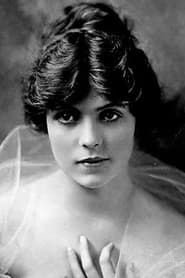
- Marie Mosquini was a popular comedienne who had been a Mack Sennett Bathing Beauty before becoming Pollard's regular co-star
- The theme of eccentric inventors was popular in silent comedies, reflecting America's fascination with technological progress and innovation during the Roaring Twenties
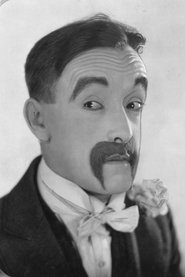
- William Gillespie was a Scottish actor who became a regular supporting player in Hal Roach productions
- The film's title 'It's a Gift' was a common phrase in the 1920s and would later be famously used as the title of W.C. Fields' 1934 film
- Silent comedies of this era were often accompanied by live musical scores in theaters, with specific cue sheets provided to theater organists
- Many of Pollard's films have been lost over time, making surviving examples like this one particularly valuable to film historians
Visual style
The cinematography of 'It's a Gift' reflects the standard practices of 1923 comedy production. The film was likely shot using stationary cameras with minimal movement, as mobile camera techniques were still developing. The lighting would have been primarily artificial, using the incandescent lighting systems that had replaced earlier arc lighting methods. The camera work would have emphasized clarity and composition to ensure that the physical comedy was clearly visible to audiences. Close-ups would have been used strategically to highlight reactions and facial expressions, while wider shots would capture the full scope of the slapstick sequences. The film stock would have been orthochromatic, which was sensitive to blue and green light but not red, affecting how colors appeared in the final black and white image. The cinematographer would have worked closely with the director to frame the comedy for maximum impact, using techniques like deep focus to keep multiple actions visible within the same shot.
Innovations
While 'It's a Gift' was not groundbreaking in technical terms, it represents the polished production standards achieved by Hal Roach Studios by 1923. The film demonstrates the sophisticated prop construction necessary for comedy sequences, with mechanical inventions designed to fail in humorous ways while remaining safe for performers. The editing techniques employed would have included the effective use of continuity cutting to maintain comedic timing across different shots. The studio's lighting setups would have created the bright, clear look characteristic of comedies of this era. The film also showcases the advanced makeup techniques used in silent cinema, designed to read clearly on screen and emphasize expressions. The production would have benefited from the studio's efficient workflow systems, which allowed for rapid production while maintaining quality standards. These technical elements, while not revolutionary, contributed to the professional polish that distinguished major studio productions from independent films of the period.
Music
As a silent film, 'It's a Gift' would have been accompanied by live music during theatrical screenings. Theaters typically employed organists or small orchestras to provide musical accompaniment, following cue sheets provided by the studio. These cue sheets indicated suggested musical pieces for different scenes, ranging from popular songs of the era to classical compositions. The music would have been synchronized with the on-screen action, with faster tempos during chase sequences and more romantic themes for tender moments. Large urban theaters might have used full orchestral scores, while smaller venues relied on pianists or organists. The musical accompaniment was crucial to the audience experience, providing emotional context and enhancing the comedic timing. Some theaters also employed sound effects specialists who would create noises using various mechanical devices to complement the on-screen action.
Famous quotes
(As a silent film, quotes would appear as intertitles) - Specific intertitles from this film are not preserved in available records
Memorable scenes
- Pollard's chaotic home filled with malfunctioning inventions, each creating its own comedic disaster as he attempts to prepare for the oil company meeting
What audiences thought
Audiences in 1923 would have received 'It's a Gift' as part of a typical theater program, which usually included a feature film, newsreel, and several comedy shorts. The film's mix of physical comedy and relatable situations would have appealed to the broad theater-going public of the era. Harry 'Snub' Pollard had a loyal following among regular cinema patrons who appreciated his distinctive comedy style. The theme of eccentric inventions would have resonated with audiences fascinated by the rapid technological changes of the 1920s. Silent comedies were particularly popular with immigrant audiences who could enjoy the humor without language barriers. While individual short comedies rarely generated significant audience buzz, the consistent quality of Hal Roach productions ensured steady attendance. Modern audiences encountering the film today typically view it through the lens of film history, appreciating it as a window into early 20th-century entertainment.
Film connections
Influenced by
- The mechanical comedy of Buster Keaton
- The Everyman character of Charlie Chaplin
- The studio comedy style of Mack Sennett
- Contemporary fascination with technological progress
- Vaudeville comedy traditions
This film influenced
- Later Hal Roach comedy shorts
- The Three Stooges' mechanical comedy routines
- Jacques Tati's films about modern technology
- Jerry Lewis' inventor character films
Film restoration
The preservation status of 'It's a Gift' is unclear, as many silent shorts from this period have been lost. Some Harry 'Snub' Pollard films survive in archives like the Library of Congress and the Museum of Modern Art, but individual titles are difficult to track. The film may exist in incomplete form or as a single surviving print. The Hal Roach Studios had relatively good preservation practices for their era, but the nitrate film stock used in the 1920s was inherently unstable and many films have deteriorated beyond recovery. Film preservation organizations continue to search for lost silent comedies in private collections and foreign archives.
Where to watch
- Currently, 'It's a Gift' is not widely available on commercial streaming platforms. Silent film enthusiasts may find it through specialized archives, film societies, or occasional screenings at silent film festivals. The film may be accessible through university film libraries or private collectors who specialize in silent cinema. Some public domain film websites occasionally feature rare silent shorts, though availability varies. The best chance of viewing would be through institutions that maintain silent film collections, such as the UCLA Film and Television Archive or the George Eastman Museum.