Hugh Fay
Actor & Director
Born: March 23, 1882 in New York City, New York, USA Died: December 27, 1926 Active: 1915-1925 Birth Name: Hugh Francis Fay
Films
4 films
About Hugh Fay
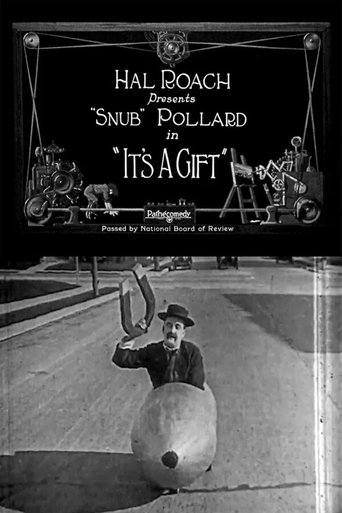
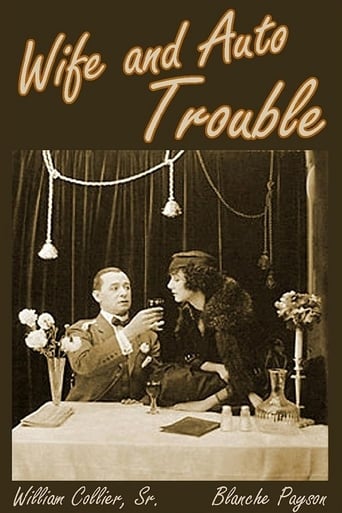
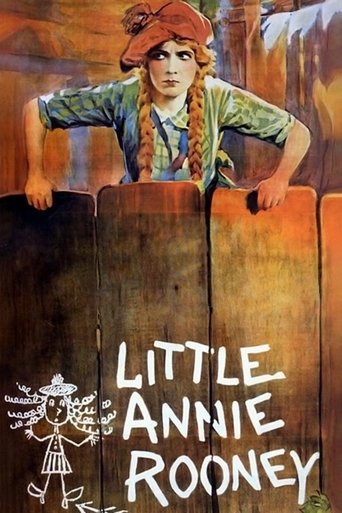
American actor and director who worked during the silent film era, primarily active from 1915 through 1925. He began his career as an actor in comedy shorts, appearing in films like 'A Hash House Fraud' (1915) and 'Wife and Auto Trouble' (1916) for various production companies. Fay transitioned into directing in the early 1920s, helming several comedy shorts including 'It's a Gift' (1923), which showcased his understanding of visual gags and timing. His acting style was typical of the slapstick comedy era, relying heavily on physical humor and exaggerated expressions. While not as famous as contemporaries like Chaplin or Keaton, Fay contributed to the silent comedy with his work behind and in front of the camera. His the transitional period of American cinema, from the early days of short comedies to more sophisticated feature-length productions. Fay's final known acting appearance was in 'Little Annie Rooney' (1925), starring Mary Pickford, marking the end of his decade-long film career.
The Craft
On Screen
Physical comedy performer specializing in slapstick humor and exaggerated facial expressions typical of the silent era, with a talent for visual gags and timing
Behind the Camera
Comedy director focused on visual storytelling and timing, adept at crafting short-form comedic narratives with clear sight gags and situational humor
Milestones
- Acting debut in 'A Hash House Fraud' (1915)
- Transition to directing in early 1920s
- Directed 'It's a Gift' (1923)
- Appeared in Mary Pickford's 'Little Annie Rooney' (1925)
- Contributed to over 20 silent film productions
Best Known For
Iconic Roles
Must-See Films
Working Relationships
Worked Often With
Studios
Why They Matter
Impact on Culture
Hugh Fay contributed to the development of American silent comedy during its golden age, working alongside figures who established the language of cinematic humor. His work as both actor and director during the transitional period of the 1910s and 1920s helped bridge the gap between early primitive comedies and more sophisticated silent film productions. While not achieving the lasting fame of contemporaries like Charlie Chaplin or Buster Keaton, Fay's films represent the broader ecosystem of talent that made silent era comedy so vibrant and influential.
Lasting Legacy
Hugh Fay's legacy lies in his contribution to the vast body of silent comedy that entertained millions during the early decades of cinema. His films, though lesser-known today, are valuable historical artifacts that showcase the evolution of comedic storytelling in American film. As both performer and director, Fay represents the versatile talents that characterized the early film industry, where individuals often wore multiple hats. His work survives as part of the silent era's rich cultural heritage, providing insight into the entertainment sensibilities of early 20th-century audiences.
Who They Inspired
While Hugh Fay did not achieve the level of influence that would make him a household name, his work contributed to the collective development of silent comedy techniques that would influence generations of filmmakers. His understanding of visual gags and timing, demonstrated in films like 'It's a Gift,' reflected the broader comedic language being developed during this period. Contemporary silent film scholars and enthusiasts recognize Fay as part of the essential tapestry of talent that made the silent era so creatively rich.
Off Screen
Hugh Fay was born into an Irish-American family in New York City and showed an early interest in performing arts. He married actress and fellow silent film performer Alice Howell in 1916, and the couple worked together on several projects. Fay's life was cut short when he died at the age of 44 in 1926, just a year after his final film appearance. His death marked the end of a promising career that had spanned the formative years of American cinema.
Family
- Alice Howell (1916-1926)
Did You Know?
- Hugh Fay began his career as a stage performer before transitioning to films
- He was married to fellow silent film actress Alice Howell, a popular comedienne of the era
- His directorial work 'It's a Gift' (1923) should not be confused with the W.C. Fields film of the same name from 1934
- Fay appeared in over 20 films during his decade-long career
- He worked with several major comedy producers including Mack Sennett and Hal Roach
- His death at age 44 cut short a career that was still in its prime
- Many of Fay's films are now considered lost, a common fate for silent era productions
- He was part of the generation of performers who made the transition from stage to screen
- Fay's real name was Hugh Francis Fay, but he used the shorter version professionally
- His final film appearance was alongside Mary Pickford, one of the era's biggest stars
Frequently Asked Questions
Who was Hugh Fay?
He was known for his work in comedy shorts, both as a performer and behind the camera, contributing to the rich tradition of silent comedy.
What films is Hugh Fay best known for?
Titles linked here include It's a Gift (1923), Little Annie Rooney (1925).
When was Hugh Fay born and when did he die?
Born March 23, 1882; died December 27, 1926.
What awards did Hugh Fay win?
Hugh Fay did not receive any major awards or nominations during his career, which was common for many silent era performers whose contributions were often recognized more by audiences than by formal institutions.
What was Hugh Fay's acting and directing style?
Fay specialized in physical comedy and slapstick humor typical of the silent era, using exaggerated expressions and visual gags. As a director, he focused on timing and visual storytelling in short comedy formats.
Was Hugh Fay married?
Yes, Hugh Fay was married to fellow silent film actress Alice Howell from 1916 until his death in 1926. The couple worked together on several film projects during their marriage.