

Little Annie Rooney
"A feisty girl on a beat cop’s block"
Keys: Space play/pause · ←/→ 10s · F fullscreen · M mute · </> speed
About this film
A feisty little girl, the daughter of a beat cop, faces the challenges of growing up in a tough city neighborhood. Preserved by the Academy Film Archive, in partnership with the Library of Congress. Motion Picture, Broadcasting, and Recorded Sound Division, in 2014.
Cast & crew
More films like this
More Comedy films
View all →







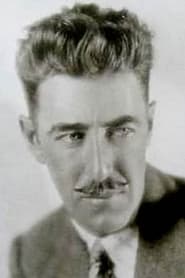
More from William Beaudine
View all →
More about this film
About the production
Release dateOctober 12, 1925
BudgetApproximately $250,000 (substantial for a silent feature in 1925)
Box officeHighly successful, grossing over $1 million domestically, making it one of the year's top earners
ProductionMary Pickford Corporation, United Artists
Filmed inLos Angeles, California, Pickford-Fairbanks Studios
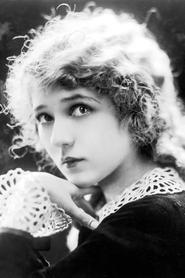
Mary Pickford was 33 years old during filming but convincingly played a young girl through her acting technique and costume design. The film was one of the first to use extensive location shooting in urban settings, creating a realistic tenement environment. Pickford personally oversaw every aspect of production, from script approval to final editing, maintaining her reputation for hands-on involvement in her films.
Themes
Childhood innocence in harsh environmentsUrban poverty and communityFamily loyalty and protectionJustice and moral courageClass divisions and social mobility
Themes & topics
tenement lifestreet gangspolice familychildhood friendshipurban povertywrongful accusationgang conflictfamily loyaltycoming of agesocial justice
Historical background
Little Annie Rooney appeared in 1925, when the late silent period and the transition to sound shaped how movies were financed, distributed, and discussed. Audiences of the day encountered the work amid shifting tastes in acting, pacing, and spectacle. Its focus on a feisty little girl, the daughter of a beat cop, faces the challenges of growing up in a tough city neighborhood mirrors themes circulating in popular culture of that moment.
Why this film matters
Little Annie Rooney (1925) belongs to the wider archive of world cinema, documenting a feisty little girl, the daughter of a. Archivists and historians value such titles for what they reveal about craft, genre, and audience expectations. Restorations and festival screenings keep the work visible to viewers far beyond its first run.
Making of
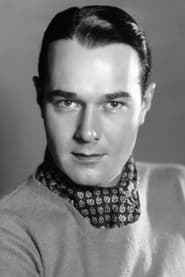
The production was a family affair for Mary Pickford, who not only starred but also produced through her own company. She insisted on authentic set design, constructing detailed tenement interiors and street scenes that rivaled real New York neighborhoods. William Haines was cast after Pickford saw his potential during a screen test, though studio executives were initially hesitant about his relatively unknown status. The gang fight sequences required extensive choreography and rehearsal, with Pickford performing many of her own stunts. Director William Beaudine was chosen for his ability to work quickly and efficiently, completing the film under budget and ahead of schedule. The famous scene where Annie confronts the gang leaders was improvised by Pickford during filming, adding genuine emotional impact that impressed the cast and crew.
What critics said
Press coverage from 1925 is fragmentary for many titles of this vintage; surviving notices for Little Annie Rooney tend to stress novelty, star power, or topical appeal. Later writing places the picture within its national and generic context, weighing both period conventions and moments that still land for modern viewers. Streaming and disc releases have revived discussion among classic-film audiences.
Did you know?
- Mary Pickford was 33 years old when she played the title role of young Annie Rooney
- The film was based on a popular 1890 song by Michael Nolan, not a previous literary work
- This was one of the last silent films where Pickford played a child character before transitioning to adult roles
- William Haines, who played Joe Kelly, was one of the few actors to successfully transition from silent films to talkies before his career was ended by his refusal to hide his homosexuality
- The film's success led to Pickford receiving the largest salary of any performer in Hollywood at the time
- Real tenement dwellers were used as extras to add authenticity to the street scenes
- The movie was re-released in 1928 with a synchronized musical score and sound effects
- Pickford's character's distinctive outfit became a popular Halloween costume for girls throughout the late 1920s
- The film's title became a catchphrase in American popular culture throughout the 1920s
- A portion of the film's profits was donated to children's charities, as was Pickford's custom
Awards & recognition
- Photoplay Magazine Medal of Honor (1925) - Winner
Visual style
The cinematography by Charles Rosher and Karl Struss employed innovative techniques for capturing urban environments, including extensive use of location shooting and natural lighting. The camera work emphasized the contrast between the dark, claustrophobic tenement interiors and the bustling street life outside. Rosher and Struss, who had previously worked on Sunrise (1927), utilized sophisticated tracking shots to follow Annie through the neighborhood streets, creating a sense of movement and energy. The film's visual style balanced realism with the romanticized view of childhood that characterized Pickford's films, using soft focus techniques during emotional moments while maintaining sharp clarity for action sequences.
Innovations
Little Annie Rooney pioneered several technical innovations for its time, including the use of multiple camera setups for complex street scenes and the integration of location shooting with studio work. The film employed sophisticated matte paintings to extend the tenement sets and create the illusion of a complete urban environment. The production team developed new techniques for filming children in action sequences, using hidden cameras and specially designed equipment to capture natural performances. The restoration process in 2014 utilized state-of-the-art digital technology to repair damage while preserving the original film's texture and tonal qualities.
Music
The original 1925 release featured a compiled score of popular classical pieces and contemporary songs, including the title song 'Little Annie Rooney' by Michael Nolan. The 1928 re-release included a synchronized musical score with sound effects using the Movietone system. The restored version features a newly commissioned score by composer Rodney Sauer that recreates the style of 1920s theater accompaniment. The original score incorporated popular tunes of the era that audiences would have recognized, including adaptations of Irish folk songs that reflected the ethnic composition of the tenement neighborhood.
Famous quotes
I'm not afraid of no gang! I'm Annie Rooney, and I can take care of myself!" - Annie Rooney during her confrontation with the neighborhood gang
In this neighborhood, you gotta be tough to be good" - Annie Rooney explaining street survival to her friends
My daddy's a cop, but that don't mean I can't have fun!" - Annie Rooney asserting her independence
Even the toughest guys have a soft spot for someone who's brave" - Joe Kelly explaining the gang's respect for Annie
Memorable scenes
- The climactic confrontation where Annie stands up to the gang leaders to protect her brother, using her wit and courage rather than physical force to resolve the conflict
- The rooftop scene where Annie and Joe share their dreams while looking over the city skyline, representing hope amid urban hardship
- The tenement fire sequence where Annie helps rescue neighbors, showcasing her bravery and community spirit
- The opening montage of tenement life that establishes the film's authentic urban atmosphere
What audiences thought
Audiences in 1925 embraced Little Annie Rooney with enormous enthusiasm, making it one of the year's biggest box office successes. The film resonated particularly with immigrant and working-class audiences who saw their own neighborhoods and struggles authentically portrayed on screen. Children especially connected with Annie's character, leading to a surge in Annie Rooney costumes and dolls during the holiday season. The film's emotional climax reportedly moved audiences to tears and standing ovations in many theaters. Even decades later, the film retained its power to move viewers, as evidenced by the enthusiastic response to its restoration screenings at classic film festivals.
Film connections
Influenced by
- The Kid (1921) by Charlie Chaplin
- The Rag Man (1925) by Edward F. Cline
- Previous Mary Pickford films like Rebecca of Sunnybrook Farm (1917)
- Contemporary literature about urban childhood such as 'A Tree Grows in Brooklyn'
This film influenced
- Boys Town (1938)
- Angels with Dirty Faces (1938)
- The Little Princess (1939)
- City Kids (1992)
- Slumdog Millionaire (2008) - in its portrayal of childhood resilience in urban poverty
Film restoration
Preserved by the Academy Film Archive in partnership with the Library of Congress in 2014. The restoration utilized surviving 35mm elements and created new preservation prints. The film is considered to be in good condition with complete survival of all original footage. The restored version premiered at the 2014 TCM Classic Film Festival and has been screened at various archives and museums since restoration.
Where to watch
- Available on DVD from The Criterion Collection
- Streaming on The Criterion Channel
- Available for viewing at the Academy Film Archive
- Screened periodically at film festivals and classic cinema venues
- Accessible through select university film archives and libraries