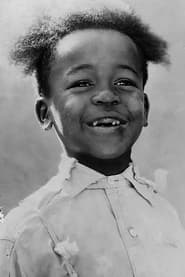
Eugene Jackson
Actor
Born: December 25, 1916 in Dallas, Texas, USA Died: October 26, 2001 Active: 1923-1925 Birth Name: Eugene W. Jackson Jr.
Films
2 films
About Eugene Jackson
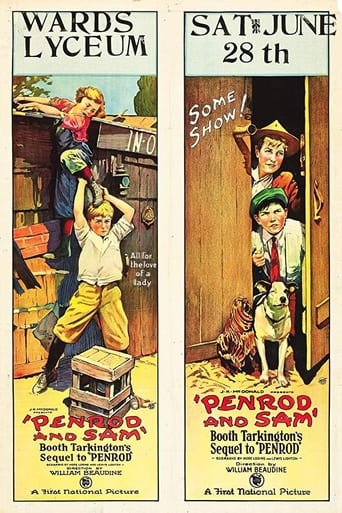
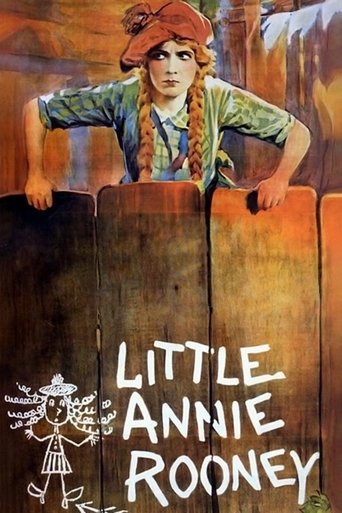
Made his mark during the silent film era of the 1920s. Born in Texas in 1916, he broke racial barriers as one of the first Black child actors to gain recognition in Hollywood. Jackson rose to prominence playing the character Herman in the popular 'Penrod' film series, particularly in 'Penrod and Sam' (1923), which was based on Booth Tarkington's beloved stories. He also appeared alongside the Mary Pickford in 'Little Annie Rooney' (1925), showcasing his versatility and charm as a young performer. Despite his early success and natural talent, Jackson's acting career was brief, largely due to the limited opportunities available to Black performers during that era. After his film career ended, he transitioned to a more conventional life, eventually becoming a mail carrier in California. Jackson's legacy as a trailblazer for African American performers in early cinema remains significant, though his contributions have often been overlooked in mainstream film histories.
The Craft
On Screen
Natural and charismatic screen presence, with an ability to convey emotion effectively despite the limitations of silent film. Jackson's performances were characterized by his expressive face and genuine childlike wonder, which made him a favorite among audiences of the era.
Milestones
- Breakthrough role as Herman in 'Penrod and Sam' (1923)
- Appeared with Mary Pickford in 'Little Annie Rooney' (1925)
- One of the first African American child actors in Hollywood
- Starred in the popular Penrod film series
Best Known For
Iconic Roles
Must-See Films
Accolades
Special Recognition
- Recognized as a African American child actor in film history
Working Relationships
Worked Often With
Studios
Why They Matter
Impact on Culture
Eugene Jackson's significance in cinema history extends far beyond his brief filmography. As one of the first African American child actors to achieve recognition in Hollywood, he helped pave the way for future generations of Black performers. His presence in major productions like 'Little Annie Rooney' alongside one of the era's biggest stars was remarkable for its time, challenging the limited and often stereotypical roles available to Black actors in the 1920s. Jackson's success demonstrated that African American performers could appeal to mainstream audiences and carry substantial roles in family entertainment. His work during the silent era represents an important, though often overlooked, chapter in the broader story of racial integration in American cinema.
Lasting Legacy
Eugene Jackson's legacy lives on as proof of the early contributions of African Americans to Hollywood. Though his career was short, his impact on breaking racial barriers in the film industry cannot be understated. Film historians and scholars studying the representation of African Americans in cinema often cite Jackson as an important early example of non-stereotypical casting. His story serves as an inspiration for understanding the long struggle for diversity and representation in Hollywood, reminding us that the path toward inclusion began much earlier than many realize. Jackson's performances continue to be studied and appreciated by those interested in the complete history of American cinema.
Who They Inspired
While direct influences on other performers are difficult to trace due to the brevity of his career, Eugene Jackson undoubtedly influenced the industry by demonstrating the marketability and appeal of African American talent in leading roles. His success helped create opportunities for other Black child actors who followed, though progress remained slow throughout the early decades of Hollywood. Modern performers and filmmakers studying early cinema often point to pioneers like Jackson as examples of the long-standing presence and contribution of African Americans to the art of film, challenging narratives that suggest diversity in Hollywood is a recent phenomenon.
Off Screen
After his brief acting career, Eugene Jackson led a private life away from the spotlight. He married and had children, choosing a more conventional path outside of Hollywood. Jackson eventually settled in California where he worked as a mail carrier for many years, maintaining a low profile despite his early fame. He remained proud of his contributions to early cinema but rarely discussed his time as a child actor in his later years.
Education
Limited information available, likely attended local schools in Texas and later California
Family
- Louise Jackson (married for over 50 years)
Did You Know?
- Was one of the first African American child actors to have a substantial career in Hollywood
- His character 'Herman' in the Penrod series was originally written as white in Booth Tarkington's stories
- Earned $50 per week at the height of his child acting career - a substantial sum for the time
- Was discovered by a talent scout while performing in a local church production
- His career ended when he hit puberty and the roles for Black teenagers were even more limited than for children
- Maintained correspondence with Mary Pickford for many years after their film together
- Was featured in a 1995 documentary about African American actors in silent film
- His family preserved many of his personal photographs and memorabilia from his acting days
- Despite his early fame, he never pushed his own children into show business
- Worked as a mail carrier for over 30 years in the Los Angeles area
In Their Own Words
"I was just a kid having fun, but I didn't realize then how important it was for other little Black kids to see someone like them on screen." (from a 1995 interview)
"Mary Pickford treated me like her own son on that set. She made sure I was always comfortable and respected." (recalling his time on Little Annie Rooney)
"The money was good, but the experience of being treated as an equal on set was worth more than any paycheck."
Frequently Asked Questions
Who was Eugene Jackson?
African American child with credits in this catalog. He was one of the first Black child actors to achieve recognition in Hollywood, best known for his role as Herman in the 'Penrod' film series and his appearance alongside Mary Pickford in 'Little Annie Rooney'.
What films is Eugene Jackson best known for?
Titles linked here include Penrod and Sam (1923), Little Annie Rooney (1925).
When was Eugene Jackson born and when did he die?
Born December 25, 1916; died October 26, 2001.
What awards did Eugene Jackson win?
While Eugene Jackson did not receive formal awards during his lifetime, he has been posthumously recognized by film historians as a figure who helped break racial barriers in Hollywood. His contributions are celebrated in documentaries and scholarly works about African American representation in early cinema.
What was Eugene Jackson's acting style?
Jackson's acting style was natural and charismatic, with a remarkable ability to convey emotion through facial expressions and body language - essential skills in silent film. His performances were characterized by genuine childlike enthusiasm and an authentic screen presence that resonated with audiences of his time.
Why did Eugene Jackson's acting career end so early?
Jackson's acting career ended in his mid-teens due to the severe lack of opportunities for African American performers in Hollywood during that era. While child roles were occasionally available, teenage and adult roles for Black actors were extremely limited and often stereotypical, leading him to pursue other career opportunities.
What did Eugene Jackson do after his acting career?
After leaving the film industry, Eugene Jackson led a private life and worked as a mail carrier in the Los Angeles area for over 30 years. He married, had children, and maintained a low profile while remaining proud of his contributions to early cinema.