Walter James
Actor
Born: June 3, 1882 in Chattanooga, Tennessee, USA Died: March 25, 1946 Active: 1915-1930 Birth Name: Walter Edwin James
Films
5 films

About Walter James
prolific American character actor during the silent film era and early sound period — known for his imposing physical presence and remarkable versatility in supporting roles. Born in Tennessee in 1882, James began his film career around 1915 and quickly established himself as a reliable character actor, appearing in over 150 films during his 15-year career. He worked extensively with comedy legends Harold Lloyd and Buster Keaton, often playing authority figures, villains, or stern paternal roles that provided perfect contrast to the comedic leads. James's the crucial transition from silent films to talkies, and he successfully adapted his performance style to the new medium. Despite never achieving leading man status, his distinctive appearance and consistent performances made him recognizable supporting actors of his time. His final film appearances came in 1930, after which he retired from acting, leaving behind a substantial body of work that exemplifies the character actor's importance in early Hollywood cinema.
The Craft
On Screen
Walter James was known for his imposing physical presence, standing over 6 feet tall with a large build that naturally typecast him in authority and villain roles. His acting style combined the strong, exaggerated gestures typical of the silent era with a surprising naturalism that allowed his performances to transcend the limitations of non-verbal acting. James possessed exceptional comedic timing, making him invaluable as a straight man and comic foil to leading actors. His facial expressions could convey both menace and humor with equal effectiveness, allowing him to transition seamlessly between genres. James understood the importance of physical contrast in visual storytelling, using his size and presence to create dynamic relationships with smaller, more agile leading actors.
Milestones
- Appeared in over 150 films during his 15-year career
- Regular collaborator with Harold Lloyd in multiple comedy classics
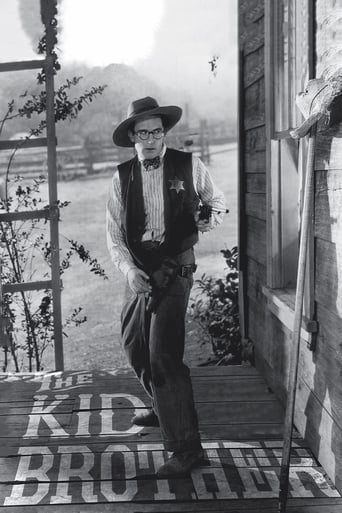
- Notable performance as the Sheriff in 'The Kid Brother' (1927)
- Worked with acclaimed director John Ford on 'Hell's Heroes' (1930)
- Successfully transitioned from silent films to early talkies
- Frequent supporting player in Hal Roach Studio productions
Best Known For
Iconic Roles
Must-See Films
Working Relationships
Worked Often With
Studios
Why They Matter
Impact on Culture
Walter James made significant contributions to the development of character acting in American cinema during its formative years. His work helped establish the crucial importance of reliable supporting players in film production, demonstrating how well-cast character actors could elevate the effectiveness of leading performers. James's collaborations with comedy legends like Harold Lloyd and Buster Keaton contributed to some of the most enduring comedies of the silent era, with his imposing presence creating the perfect physical contrast that made the comedy more effective. He represented the evolution from theatrical acting styles to more film-appropriate techniques, bridging the gap between the exaggerated performances of early cinema and the naturalism that would become standard in later decades. James's ability to work across genres—from comedy to drama to Western—showcased the versatility required of character actors and influenced how supporting roles would be approached in Hollywood.
Lasting Legacy
Though not a household name like many leading actors of his era, Walter James left an enduring legacy as. His performances in over 150 films provide a valuable historical record of the acting styles and techniques that defined early American cinema. Film historians and silent film enthusiasts recognize James as an essential component of the ensemble casts that made silent films successful, with his distinctive presence and consistent performances contributing significantly to many classic films of the 1920s. James exemplified the unsung heroes of early Hollywood—the character actors who provided the foundation upon which stars could shine. His career shows the importance of supporting players in creating memorable cinema, and his work continues to be studied by those interested in the craft of film acting.
Who They Inspired
Walter James influenced subsequent generations of character actors by demonstrating how embracing one's physical attributes could lead to a successful career in supporting roles. His work helped establish archetypes of authority figures in film comedy that would be replicated for decades, showing how physical contrast between characters could enhance comedic effectiveness. James's ability to seamlessly transition between genres demonstrated the versatility required of character actors, influencing how supporting roles would be approached in Hollywood's studio system. His professional reliability and consistent performances set a standard for character actors that would become increasingly important as the studio system developed. James proved that character actors could build substantial careers without ever achieving star billing, influencing countless performers who would follow similar paths in subsequent decades.
Off Screen
Walter James maintained a relatively private personal life despite his prolific film career. He married actress Rita James (born Rita Louisa O'Flynn) in 1914, and their marriage lasted until his death in 1946, spanning over three decades. The couple had one child together, though specific details about their offspring remain largely undocumented. James was known on film sets as a reliable and professional actor, which contributed significantly to his steady employment throughout his career. Unlike many Hollywood personalities of his era, James avoided scandal and maintained a respectable public image. After retiring from acting in 1930, he lived quietly in Los Angeles until his death from natural causes at age 63.
Education
Not publicly documented
Family
- Rita James (1914-1946)
Did You Know?
- Walter James appeared in over 150 films in just 15 years, averaging more than 10 films per year
- He stood over 6 feet tall with a large build, which typecast him in authority and villain roles throughout his career
- James — particular favorite of Harold Lloyd, appearing in multiple films with the comedy star
- He successfully transitioned from silent films to talkies, appearing in early sound films before retiring
- Despite his prolific output, James never received top billing in any of his films
- His wife, Rita James, was also an actress who sometimes appeared alongside him in productions
- James frequently played lawmen, sheriffs, or other authority figures in Westerns and dramatic films
- He worked with many of the biggest stars of the silent era, including Buster Keaton and Mary Pickford
- His final film appearance was in 1930, after which he retired from acting entirely
- James died relatively young at age 63 in 1946, just 16 years after his film career ended
- He often served as the physical antagonist to smaller leading actors, creating effective visual contrast
- Many of his films have been lost due to the deterioration of nitrate film stock common in that era
Frequently Asked Questions
Who was Walter James?
Prolific American character with credits in this catalog. He often played authority figures, villains, or stern paternal roles, particularly in comedies starring Harold Lloyd and Buster Keaton.
What films is Walter James best known for?
Titles linked here include The Kid Brother (1927), Battling Butler (1926).
When was Walter James born and when did he die?
Born June 3, 1882; died March 25, 1946.
What awards did Walter James win?
There are no documented awards or nominations for Walter James, which was common for character actors during the silent era who rarely received formal recognition for their supporting roles despite their significant contributions to films.
What was Walter James's acting style?
Walter James's acting style was characterized by his imposing physical presence (standing over 6 feet tall) and the strong, exaggerated gestures typical of the silent era, but with a naturalism that allowed him to excel as both authority figures and comedic foils. He had particular talent for comedic timing and often played the straight man in comedy films.
Did Walter James appear in talkies?
Yes, Walter James successfully transitioned from silent films to early talkies, appearing in sound films during the late 1920s and early 1930s before retiring from acting in 1930.
Was Walter James married to another actor?
Yes, Walter James was married to actress Rita James (née Rita Louisa O'Flynn) from 1914 until his death in 1946, and she sometimes appeared alongside him in films.
How many films did Walter James appear in?
Walter James appeared in over 150 films during his 15-year career from 1915 to 1930, making him.