William Haines
Actor
Born: January 2, 1900 in Staunton, Virginia, USA Died: December 26, 1973 Active: 1922-1934 (acting), 1934-1973 (interior design) Birth Name: Charles William Haines
Films
8 films
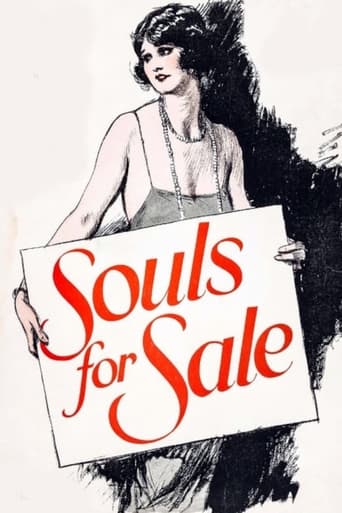
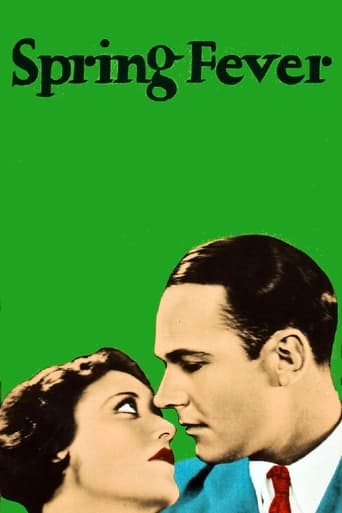
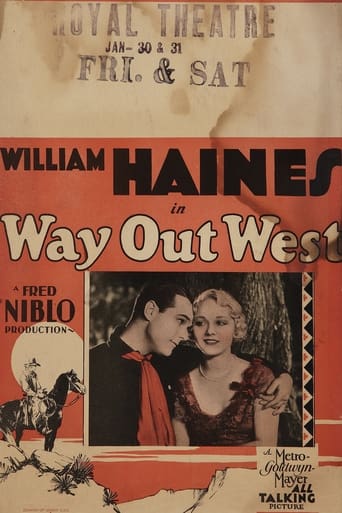
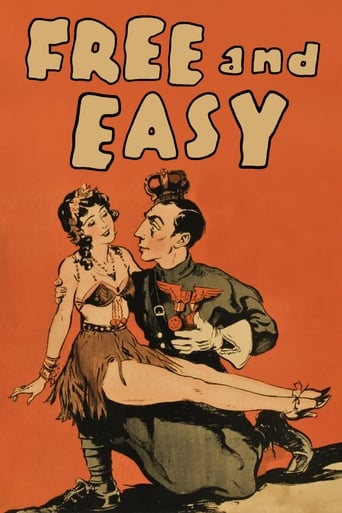

About William Haines
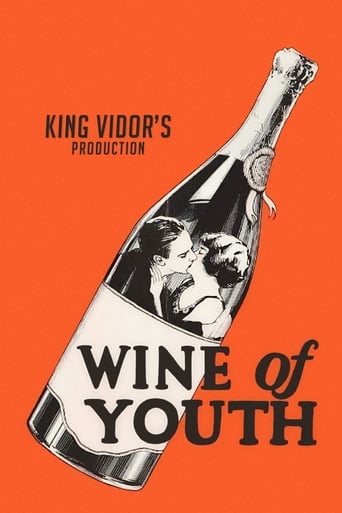
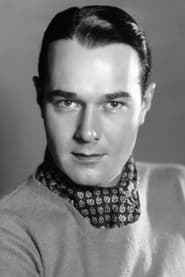
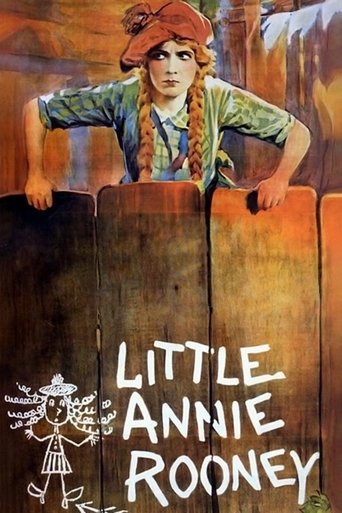
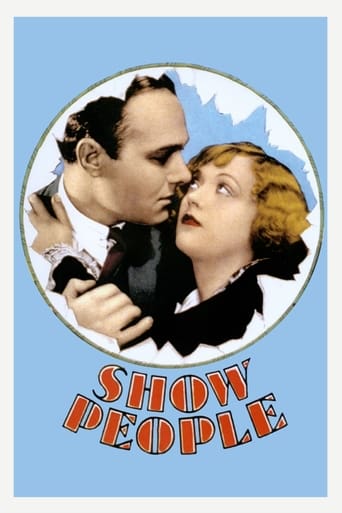
William Haines was one of MGM's most popular male stars of the silent era, known for his charismatic comedic performances and boy-next-door appeal. He began his career after winning a talent contest in 1922 and quickly rose to stardom with films like 'Little Annie Rooney' opposite Mary Pickford. His career peaked in the late 1920s with hits like 'Show People,' where he brilliantly parodied his own stardom alongside Marion Davies. Haines was openly gay in an era when such openness was career suicide, and when MGM head Louis B. Mayer demanded he enter a sham marriage to protect his image, Haines refused and chose his long-term partner Jimmy Shields instead. After being fired by MGM in 1933, Haines successfully transitioned to a career as one of Hollywood's most sought-after interior designers. His clients included Joan Crawford, Carole Lombard, and other Hollywood luminaries, and he remained with Shields until his death in 1973. Haines' story represents both the glamour of Golden Age Hollywood and the personal sacrifices demanded by the studio system.
The Craft
On Screen
Haines was known for his naturalistic comedic style and charming, boy-next-door persona that made him immensely popular with audiences. Unlike many silent actors who relied on exaggerated gestures, Haines brought a subtle, modern approach to his performances that translated well to talkies. His acting was characterized by quick wit, athletic physical comedy, and an ability to play both romantic and comedic elements with equal skill. He specialized in light romantic comedies where his handsome looks and affable personality could shine, often playing confident, wisecracking protagonists who won the girl through determination rather than traditional heroic qualities.
Milestones
- Won talent contest in 1922 launching his film career
- Signed with MGM and became one of their top stars by 1925
- Starred in 'Little Annie Rooney' (1925) with Mary Pickford
- Became box office #1 male star in 1929-1930
- Acclaimed performance in 'Show People' (1928) opposite Marion Davies
- Refused to hide homosexuality and was fired by MGM in 1933
- Became successful interior designer to Hollywood elite
- Designed homes for Joan Crawford, Carole Lombard, and George Cukor
Best Known For
Iconic Roles
Must-See Films
Accolades
Special Recognition
- Star on Hollywood Walk of Fame (1960)
- Inducted into the International Best Dressed List Hall of Fame
Working Relationships
Worked Often With
Studios
Why They Matter
Impact on Culture
William Haines' cultural impact extends far beyond his film career, as he became an early pioneer for LGBTQ+ visibility in Hollywood. His refusal to compromise his personal integrity by entering a sham marriage, despite losing his career at its peak, made him a symbol of courage and authenticity. Haines' story represents a crucial chapter in Hollywood history, highlighting the studio system's power and the personal costs of its moral codes. His successful second career as an interior designer demonstrated that talent and determination could overcome professional setbacks. The long-term relationship with Jimmy Shields provided a rare example of a stable, openly gay partnership in mid-20th century America, offering hope to countless others. Haines' life has been featured in numerous documentaries and books about Hollywood's hidden history, cementing his legacy as both a talented entertainer and a civil rights pioneer.
Lasting Legacy
William Haines' legacy is twofold: as a significant figure in silent cinema and as a courageous pioneer for LGBTQ+ rights in Hollywood. As an actor, he represented the transition from the dramatic style of early silent films to the more naturalistic approach that would define later cinema. His films, particularly 'Show People,' remain valuable artifacts of Hollywood's self-awareness during its golden age. More significantly, his principled stand against studio pressure to hide his sexuality made him an early hero for gay rights. The William Haines Designs company he founded continued to thrive for decades after his death, becoming one of Hollywood's most prestigious interior design firms. His story has inspired books, documentaries, and academic studies about gay history in Hollywood. Haines is remembered not just for his talent on screen, but for the integrity he showed off screen, choosing personal authenticity over career preservation.
Who They Inspired
Haines influenced later generations of actors through his naturalistic acting style, which helped bridge the gap between silent film and talkies. His comedic timing and relatable persona influenced actors like Cary Grant and James Stewart who followed in his footsteps as charming leading men. More profoundly, his courage in living openly as a gay man influenced countless LGBTQ+ individuals in entertainment, from Rock Hudson to modern actors. His successful career transition from acting to design inspired other performers to develop backup careers and showed that creative talent could translate across different fields. The interior design business he built became one of Hollywood's most prestigious, influencing California design aesthetics for decades. His friendship and support of other gay industry figures helped create early networks of support in Hollywood. Haines' life story continues to influence discussions about authenticity, integrity, and the price of fame in the entertainment industry.
Off Screen
William Haines was openly gay throughout his adult life, a remarkable stance for his era. He met his lifelong partner Jimmy Shields in 1926, and they remained together for 47 years until Haines' death. Their relationship was well-known in Hollywood circles, and they were beloved by many stars who respected their courage. Haines — close friend of Joan Crawford, who stood by them when they faced persecution. The couple faced harassment and even a violent attack by anti-gay vigilantes in 1936, but refused to be intimidated. Haines was known for his wit, integrity, and loyalty to friends. After leaving acting, he and Shields built a successful interior design business together, living openly as a couple in their Brentwood home.
Education
Attended local schools in Staunton, Virginia; moved to New York City in his late teens
Family
- Jimmy Shields (1926-1973, lifelong partner)
Did You Know?
- Was the #1 box office star in America in 1930
- Won a talent contest in New York that launched his film career
- Was discovered by director Jack Conway who saw his potential
- His refusal to marry a woman to cover up his homosexuality led to his firing from MGM
- Became one of Hollywood's most successful interior designers after leaving acting
- His clients included Joan Crawford, who was one of his strongest supporters
- He and Jimmy Shields were together for 47 years until Haines' death
- Their home was once attacked by anti-gay vigilantes, but they refused to move
- Was known for his wit and was a popular dinner party guest in Hollywood
- His design work is featured in the permanent collection of the Los Angeles County Museum of Art
- Was a close friend of George Cukor and other gay Hollywood figures
- His story was featured in the documentary 'The Celluloid Closet' (1995)
In Their Own Words
"I'd rather have a broken heart than a broken neck." (responding to Louis B. Mayer's threats about his sexuality)
"Life is too short to be miserable." (on his philosophy of living authentically)
"I don't give a damn what they think. I'm happy." (referring to his relationship with Jimmy Shields)
"You have to be brave enough to be yourself." (advice to young actors)
Frequently Asked Questions
Who was William Haines?
Popular American with credits in this catalog. After being fired for refusing to hide his homosexuality, he successfully transitioned to become one of Hollywood's most prestigious interior designers.
What films is William Haines best known for?
Titles linked here include Show People (1928), Little Annie Rooney (1925).
When was William Haines born and when did he die?
Born January 2, 1900; died December 26, 1973.
Why did William Haines' acting career end?
Haines' acting career ended in 1933 when MGM head Louis B. Mayer fired him for refusing to enter a sham marriage to hide his homosexuality. Haines chose to live openly with his partner Jimmy Shields instead of compromising his personal integrity.
What was William Haines' acting style?
Haines was known for his naturalistic comedic style and charming, boy-next-door persona. Unlike many silent actors who used exaggerated gestures, he brought a subtle, modern approach to his performances with quick wit and athletic physical comedy.
Was William Haines successful after leaving acting?
Yes, Haines became extremely successful as an interior designer after leaving acting. His firm, William Haines Designs, became one of Hollywood's most prestigious, serving clients like Joan Crawford, Carole Lombard, and other Hollywood luminaries.
Was William Haines in a relationship?
Yes, Haines was in a lifelong relationship with Jimmy Shields from 1926 until his death in 1973. Their 47-year partnership was remarkable for its openness during an era when such relationships were typically hidden.