

Show People
"Peggy Pepper wants to be an actress in motion pictures"
Keys: Space play/pause · ←/→ 10s · F fullscreen · M mute · </> speed
About this film
Peggy Pepper wants to be an actress in motion pictures, so her father drives her across the country from their home in Georgia to Hollywood. After some initial disillusionment, Peggy meets Billy Boone in a studio commissary; he tells her to Show up at his set if she wants work. Peggy goes and gets sprayed with seltzer water at her first entrance.
Cast & crew
More films like this
More Comedy films
View all →







More from King Vidor
View all →

More about this film
About the production
Release dateNovember 24, 1928
Budget$423,000
Box officeApproximately $1.2 million (domestic)
ProductionMetro-Goldwyn-Mayer (MGM)
Filmed inMGM Studios, Culver City, California, Hollywood, California
The film was shot during the transitional period between silent and sound films. Director King Vidor incorporated many real Hollywood stars in cameo appearances playing themselves, including Charlie Chaplin, Douglas Fairbanks, John Gilbert, William S. Hart, and Eleanor Boardman. Marion Davies, despite being William Randolph Hearst's mistress, was allowed to parody her own image as a serious actress. The film featured elaborate recreations of actual movie sets and studio facilities, providing an authentic behind-the-scenes look at Hollywood's golden age.
Themes
Fame and its corrupting influenceAuthenticity vs. performanceThe illusion of Hollywood glamourFriendship and loyaltyArtistic integrity vs. commercial success
Themes & topics
Hollywoodsilent filmcomedyromanceactressstudio systembehind the scenesmovie industryfamerags to richessatireshow business
Historical background
Show People (1928) emerged during the silent-film era. Peggy Pepper wants to be an actress in motion pictures, so her father drives her across the country from their home in Georgia to Hollywood. Archival records and catalog entries help place the work within film-history surveys of the period.
Why this film matters
Preserved under Wikidata ID Q1366541, Show People is valued as a comedy within catalog and archive collections. Wikipedia's "Show People" entry connect it to broader histories of cinema exhibition and restoration.
Making of
The making of 'Show People' was a fascinating example of Hollywood's golden age at its peak. Marion Davies, though primarily known for comedies, was constantly pushed by her benefactor William Randolph Hearst to take on serious dramatic roles. Director King Vidor cleverly found a way to satisfy both Davies' comedic talents and Hearst's ambitions by creating a film that parodied this very situation. The production was remarkably smooth, with Davies and Haines developing a genuine friendship that enhanced their on-screen chemistry. MGM allowed unprecedented access to their facilities and personnel, making the film's behind-the-scenes scenes remarkably authentic. The studio also encouraged other stars under contract to appear in cameos, resulting in what amounts to a time capsule of 1920s Hollywood royalty.
What critics said
Survival status shapes reception: Show People is discussed mainly in preservation and film-history literature rather than in wide contemporary review columns.
Did you know?
- Marion Davies was primarily known as a comedic actress, but William Randolph Hearst insisted she play dramatic roles. This film cleverly allowed her to parody both her comedic talents and Hearst's ambitions for her as a serious actress.
- The film features over 60 real Hollywood stars in cameo appearances, making it among the leading star-studded films of the silent era.
- William Haines and Marion Davies were close friends in real life, and their natural chemistry translated perfectly to the screen.
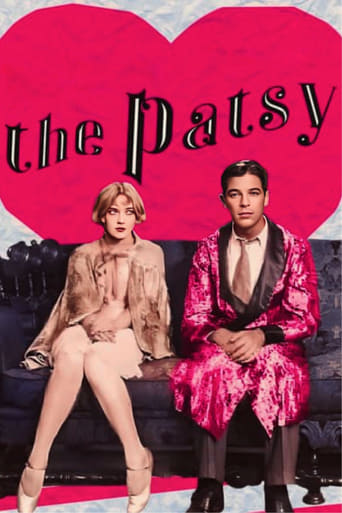
- Director King Vidor and Marion Davies had previously worked together on 'The Patsy' (1928), another successful comedy.
- The film was shot just as the transition to sound was beginning, and MGM considered adding a synchronized score, but ultimately released it as a silent film.
- Many of the film's gags and situations were based on real Hollywood anecdotes and inside jokes that industry insiders would recognize.
- The character of Peggy Pepper was partially inspired by real-life Hollywood hopefuls who came to Tinseltown with dreams of stardom.
- The film's success helped solidify Marion Davies' reputation as a genuinely talented comedian, independent of her relationship with Hearst.
- King Vidor used the film to gently satirize the studio system while still working within it, a delicate balance he achieved masterfully.
- The movie's poster and promotional materials featured Marion Davies in both comedic and dramatic poses, emphasizing the film's dual nature.
Awards & recognition
- Academy Honorary Award (1929) - King Vidor for 'distinctive achievement' in directing
Visual style
The cinematography by John Arnold (who later became head of MGM's camera department) was notably sophisticated for its time. Arnold employed creative camera movements and angles that enhanced the comedy, particularly in the film-within-a-film sequences. The visual style contrasted the gritty reality of studio backlots with the glamorous illusion of the movies being made there. Lighting techniques varied dramatically between the 'behind-the-scenes' footage and the movies-within-the-movie, effectively showing how Hollywood created its magic. The film also featured some impressive tracking shots that followed characters through the massive studio sets, emphasizing the scale of the movie-making operation.
Innovations
Show People employed several innovative techniques for its time. The film's structure, which included movies-within-the-movie, required complex editing and visual effects to distinguish between 'real' scenes and the films being produced. King Vidor used sophisticated cross-cutting between actual movie production and the final results, showing audiences how cinematic illusions were created. The film also featured some pioneering camera movements, including elaborate tracking shots through the studio sets. The makeup department, led by Jack Dawn, created convincing transformations for the various character types Peggy played, demonstrating the artistry of silent-era makeup techniques.
Music
As a silent film, Show People was accompanied by a musical score compiled from various classical and popular pieces. The original theatrical presentation featured a full orchestra score arranged by William Axt, MGM's house composer. The music cleverly adapted to the film's dual nature, using comedic motifs for the slapstick scenes and romantic themes for the dramatic moments. Modern restorations have been accompanied by newly commissioned scores that attempt to recreate the spirit of the original while taking advantage of contemporary recording technology. The film's transition from comedy to drama in Peggy's career was mirrored in the musical accompaniment, which evolved accordingly.
Famous quotes
Peggy Pepper: 'I'm not a comedienne! I'm a dramatic actress!'
Billy Boone: 'In this town, kid, you gotta laugh or you'll cry.'
Peggy Pepper: 'I came to Hollywood to be an artist, not to make funny faces!'
Billy Boone: 'The camera doesn't lie, but the director does!'
Studio Executive: 'We don't make art here, we make money!'
Memorable scenes
- Peggy's disastrous first day on the set where she's forced to perform slapstick comedy against her will, resulting in pie-throwing and physical comedy she despises
- The glamorous Hollywood party sequence where Peggy, now a star, encounters all the real-life celebrities in cameo
- The emotional reunion scene between Peggy and Billy on the studio backlot where she realizes what she's lost
- The final scene where Peggy successfully blends comedy and drama, finding her true artistic voice
- The behind-the-scenes montage showing how movie magic is created, from set construction to filming
What audiences thought
Audiences in 1928 loved Show People, making it one of the biggest hits of the year. The film's inside jokes about Hollywood appealed to industry insiders, while its romantic comedy elements and rags-to-riches story resonated with general audiences. Modern audiences have rediscovered the film through revivals and home video, with many praising its timeless humor and fascinating glimpse into old Hollywood. The movie's appeal has endured because, despite being rooted in the specific context of silent-era Hollywood, its themes of ambition, authenticity, and the price of fame remain universal.
Film connections
Influenced by
- What Price Glory? (1926) - for its blend of comedy and drama
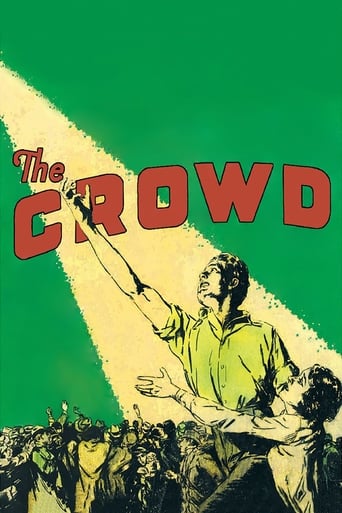
- The Crowd (1928) - King Vidor's previous film influenced his realistic approach
- The Patsy (1928) - Vidor and Davies' previous collaboration
- Ella Cinders (1926) - similar story of a Hollywood hopeful
This film influenced
- Singin' in the Rain (1952) - Hollywood behind-the-scenes comedy
- Sunset Boulevard (1950) - dark Hollywood satire
- The Bad and the Beautiful (1952) - Hollywood studio system expose
- The Artist (2011) - silent film about Hollywood's transition to sound
- Hail, Caesar! (2016) - Hollywood studio comedy
Film restoration
Show People has been well-preserved and is considered one of the best-preserved films of the silent era. The original nitrate negatives were carefully maintained by MGM and later by Warner Bros. (which acquired MGM's library). The film has been restored multiple times, with a major restoration completed in the early 2000s that returned the film to its original visual quality. The restored version is available on Blu-ray and DVD from Warner Archive Collection. The film is part of the permanent collection at the Library of Congress and has been selected for preservation in the United States National Film Registry for its cultural, historical, and aesthetic significance.
Where to watch
- Warner Archive Blu-ray and DVD
- The Criterion Channel (streaming)
- Turner Classic Movies (occasional broadcasts)
- Kanopy (streaming service available through libraries)
- Amazon Prime Video (for purchase or rental)
- YouTube (official Warner Bros. uploads)