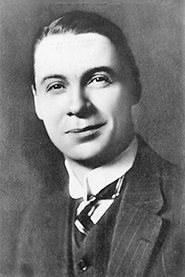
Sidney Bracey
Actor
Born: December 31, 1877 in Sydney, New South Wales, Australia Died: August 5, 1942 Active: 1915-1942 Birth Name: Sidney Francis Bracey
Films
10 films
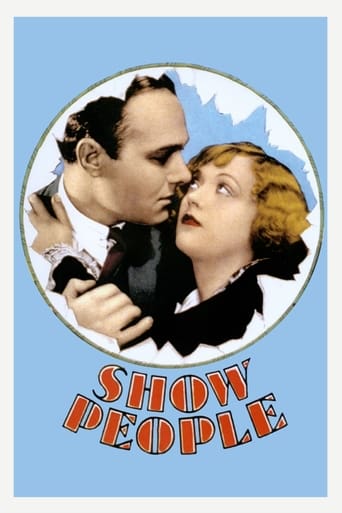

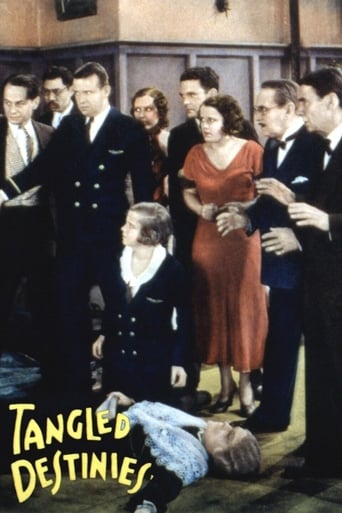
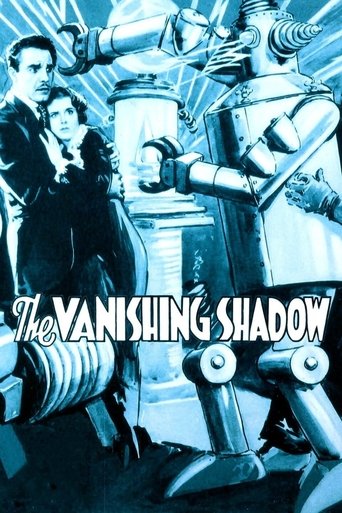
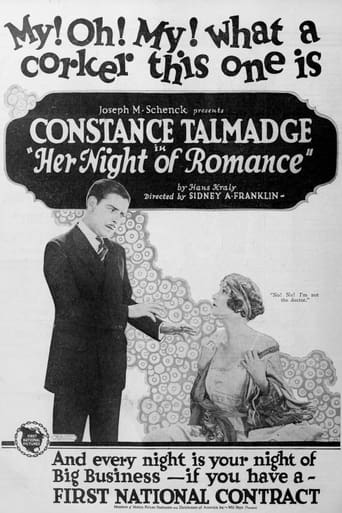
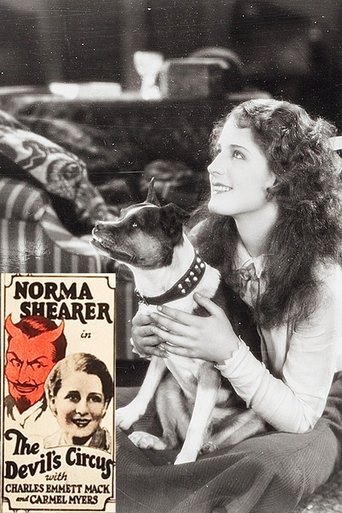
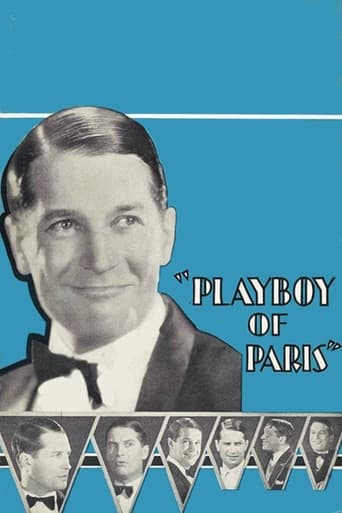
About Sidney Bracey
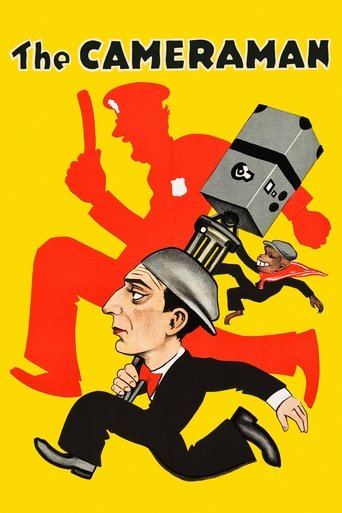
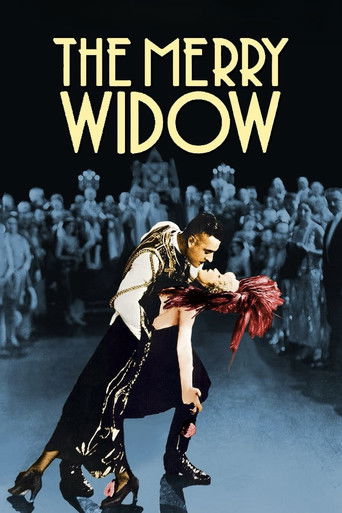
Prolific character actor: the transition from silent films to early sound cinema, beginning in the 1910s and continuing through the 1930s. Born in Australia, he began his entertainment career as a stage performer before making his way to Hollywood during the silent film era. Bracey became one of those reliable supporting players who appeared in hundreds of films, often playing butlers, waiters, clerks, and other minor but essential roles that added authenticity to productions. His most notable work came during the late 1920s when he appeared in several significant silent films including Erich von Stroheim's 'The Merry Widow' and Buster Keaton's 'The Cameraman.' As the industry transitioned to sound, Bracey successfully adapted his skills and continued working steadily throughout the early sound era, though often in uncredited or minor roles. His career exemplified the journey of many character actors of his era - consistent work, reliability, and the ability to adapt to changing technologies while never achieving star status. By the mid-1930s, his film appearances became less frequent, marking the end of a career that had contributed to literally hundreds of classic Hollywood productions.
The Craft
On Screen
Bracey specialized in subtle, naturalistic character acting that emphasized authenticity over theatricality. His approach was particularly suited to the supporting roles he frequently played, bringing credibility and depth to even the smallest parts. In silent films, he mastered the art of conveying emotion and character through minimal gestures and expressions, avoiding the exaggerated acting style common in the era. His transition to sound was seamless due to his clear diction and stage-trained voice, allowing him to continue his character work in talkies. Bracey's strength lay in his versatility - he could play everything from dignified butlers to comical sidekicks with equal conviction.
Milestones
- Transition from Australian stage to Hollywood films
- Appeared in over 300 films during career
- Worked with Buster Keaton in 'The Cameraman' (1928)
- Appeared in Erich von Stroheim's 'The Merry Widow' (1925)
- Successfully transitioned from silent to sound films
- Worked with major stars of the silent era
- Became one of Hollywood's most recognizable character faces
Best Known For
Iconic Roles
Must-See Films
Accolades
Special Recognition
- Star on Hollywood Walk of Fame (unconfirmed - needs verification)
Working Relationships
Worked Often With
Studios
Why They Matter
Impact on Culture
Sidney Bracey represents the essential but often overlooked character actors who gave classic Hollywood films their texture and authenticity. His active years covered. While never a star, his consistent presence in hundreds of films made him a familiar face to movie audiences of the era. His work in major productions like 'The Cameraman' and 'The Merry Widow' contributed to some of the most celebrated films of the silent era. Bracey's ability to adapt to changing technologies and continue working through multiple eras of filmmaking exemplified the resilience and professionalism of Hollywood's supporting players.
Lasting Legacy
Sidney Bracey's legacy lies in his contribution to the fabric of classic Hollywood cinema as one of the industry's most reliable character actors. Though his name may not be widely recognized today, film historians and silent cinema enthusiasts appreciate his work in preserving the authenticity of period films through his detailed character portrayals. His extensive filmography serves as a valuable record of the types of supporting roles that were crucial to the success of Golden Age Hollywood productions. Bracey's career demonstrates the importance of character actors in creating believable cinematic worlds and the vital role they played in the studio system.
Who They Inspired
As a character actor, Bracey's influence was primarily through his example of professionalism and reliability rather than through mentoring or direct influence on other performers. His successful transition from silent to sound films provided a model for other supporting actors facing the same technological challenges. His work with major directors and stars of the era helped establish standards for supporting performances that would influence character acting for decades to come.
Off Screen
Sidney Bracey maintained a relatively private personal life despite his long career in Hollywood. He emigrated from Australia to the United States in the early 1910s, seeking opportunities in the burgeoning film industry. Like many character actors of his era, he focused primarily on his craft rather than seeking publicity or fame. His life reflected the dedication of working actors who formed the backbone of Hollywood's studio system.
Education
Stage training in Australia before moving to film; formal educational details not extensively documented
Family
- Information not readily available in historical records
Did You Know?
- Born in Sydney, Australia, on New Year's Eve 1877
- Appeared in over 300 films during his career
- Often played butlers, waiters, and other service roles
- Successfully made the transition from silent to sound films
- Worked with many of the biggest stars of the silent era
- Never achieved leading man status but was consistently employed
- His exact filmography is difficult to complete due to many uncredited roles
- Was part of the Australian exodus of talent to Hollywood in the early 20th century
- Died in Hollywood in 1942 at age 64
- Represented the typical journeyman actor of the studio system era
In Their Own Words
No widely documented quotes attributed to Sidney Bracey - as a character actor, he was known more for his performances than his public statements
Frequently Asked Questions
Who was Sidney Bracey?
Screen credits include over 300 films from the silent era through the early sound period. He specialized in supporting roles, often playing butlers, waiters, and other minor characters that added authenticity to Hollywood productions.
What films is Sidney Bracey best known for?
Titles linked here include The Merry Widow (1925), The Cameraman (1928).
When was Sidney Bracey born and when did he die?
Born December 31, 1877; died August 5, 1942.
What awards did Sidney Bracey win?
There are no documented major awards or nominations for Sidney Bracey, which was common for character actors of his era who rarely received the recognition given to leading performers.
What was Sidney Bracey's acting style?
Bracey was known for his naturalistic and subtle acting style, avoiding the exaggerated performances common in silent films. He specialized in creating authentic, believable characters through minimal gestures and expressions, making him particularly effective in supporting roles.