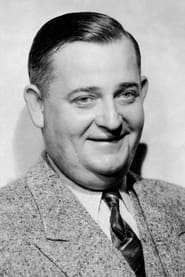
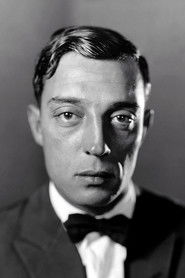
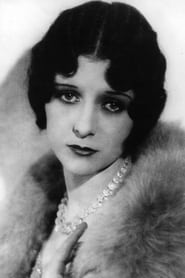
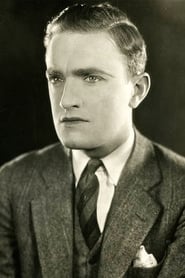

The Cameraman
"Love needs a lens to find its focus."
Keys: Space play/pause · ←/→ 10s · F fullscreen · M mute · </> speed
About this film
A photographer takes up newsreel shooting to impress a secretary.
Cast & crew
More Comedy films
View all →






More from Edward Sedgwick
View all →

More about this film
About the production
Release dateSeptember 22, 1928
Budget$258,000
Box officeApproximately $1,000,000 (domestic)
ProductionMetro-Goldwyn-Mayer (MGM)
Filmed inMGM Studios, Culver City, California, New York City locations (stock footage)
This was Buster Keaton's first film after signing with MGM, marking the end of his independent production career. The studio system imposed significant restrictions on Keaton's creative control compared to his previous films. Despite this, 'The Cameraman' was largely shaped by Keaton's comedic vision, with director Edward Sedgwick serving more as a facilitator. The film featured dangerous stunts performed by Keaton himself, including scenes in a bathtub that fills with water and a sequence where he's caught in a Tong war. The production coincided with the transition to sound films, making it one of the last great silent comedies.
Themes
Love and romanceProfessional ambitionThe nature of art and authenticityCompetition and rivalryModernization and technology
Themes & topics
photographernewsreelromancecompetitionphysical comedysilent filmstuntsNew York CitybaseballChinatownundercovermistaken identity
Historical background
Silent-era production in 1928 relied on intertitles, live accompaniment, and studio systems that were rapidly consolidating into national industries.
Why this film matters
The Cameraman remains part of the screen heritage of its era, offering evidence of prevailing genres, production methods, and audience tastes. Later revivals, archive screenings, and digitization have kept such titles accessible to researchers and dedicated viewers long after their first commercial runs.
Making of
The production of 'The Cameraman' marked a significant turning point in Buster Keaton's career. After years of independent filmmaking where he had complete creative control, Keaton signed with MGM, especially powerful studios in Hollywood. Director Edward Sedgwick was assigned by the studio, but Keaton's influence on the film's comedy and gags remained strong. The production team faced the challenge of creating a silent comedy during Hollywood's rapid transition to sound films. Many of the stunts were performed by Keaton himself, including the famous bathtub scene where he's trapped as the tub fills with water. The baseball sequence required careful coordination with real players, and the Tong war scene in Chinatown was among the leading complex and expensive sequences in the film. Despite the studio's interference, 'The Cameraman' retained much of Keaton's signature physical comedy and deadpan expression.
What critics said
Trade and newspaper reviews from the silent period for The Cameraman survive only in fragments, making precise reception history difficult to reconstruct. Modern assessment tends to emphasize historical value, craft, and cultural context rather than box-office performance.
Did you know?
- This was Buster Keaton's first film for MGM after leaving his own independent production company, marking the beginning of his decline in creative control
- The film was originally conceived as a vehicle for comedian Harry Langdon before being reassigned to Keaton
- Keaton performed all his own stunts, including the dangerous bathtub scene where he's nearly drowned
- The baseball sequence was filmed at Wrigley Field in Los Angeles, not at a major league stadium
- Despite being made during the transition to sound, MGM chose to produce it as a silent film
- The film features one of Keaton's most famous gags: trying to film a monkey at the zoo while being attacked by various animals
- Marceline Day was one of the few actresses who could match Keaton's physical comedy timing
- The Tong war sequence required extensive coordination and was among the costliest scenes in the film
- Keaton's contract with MGM gave him less creative freedom than his previous independent productions
- The film was preserved in the National Film Registry in 2005 for its cultural significance
Awards & recognition
- Selected for preservation in the United States National Film Registry (2005)
- Ranked #78 on the American Film Institute's list of 100 Funniest American Movies (2000)
Visual style
The cinematography by Devereaux Jennings and Byron Haskin demonstrates the sophisticated visual storytelling techniques of late silent cinema. The film uses creative camera angles and movements to enhance the comedy, particularly in sequences where Keaton's character struggles with his camera equipment. The newsreel footage sequences employ different visual styles to distinguish between professional and amateur cinematography. The film's visual gags often rely on precise framing and timing, with the camera serving as both a prop and a storytelling device. The Chinatown sequence features dramatic lighting and composition that heightens the tension while maintaining the comedic tone.
Innovations
The film showcases several technical innovations for its time, including complex camera movements and the use of multiple cameras for the baseball sequence. The special effects in the bathtub scene, where water appears to fill the tub around Keaton, were accomplished through clever editing and prop work. The film's use of location shooting and stock footage blended seamlessly with studio work, creating a convincing representation of New York City. The newsreel footage sequences required the recreation of authentic-looking amateur cinematography, with intentional camera shake and focus problems. The Tong war sequence featured elaborate set design and pyrotechnics that pushed the boundaries of action filmmaking in silent cinema.
Music
As a silent film, 'The Cameraman' originally had no synchronized soundtrack, but it was accompanied by musical scores performed live in theaters. The typical orchestral score included popular songs of the era and original compositions that matched the film's moods. Modern restorations have featured newly commissioned scores by composers such as Carl Davis and Robert Israel, who have created orchestral accompaniments that honor the film's period while enhancing the viewing experience for contemporary audiences. These scores typically incorporate jazz elements from the 1920s and original themes for the romantic and comic sequences.
Famous quotes
(Intertitle) 'I'm going to be a cameraman!'
(Intertitle) 'If I can get a good picture, maybe Sally will notice me'
(Intertitle) 'This camera business is harder than it looks'
(Intertitle) 'I got it! I got the picture!'
(Intertitle) 'Maybe I'm not cut out for this after all'
Memorable scenes
- The bathtub sequence where Keaton is trapped as the tub fills with water
- The baseball game scene where Keaton films from inside the dugout and causes chaos
- The Tong war sequence in Chinatown where Keaton accidentally captures real criminals
- The zoo sequence where Keaton tries to film a monkey while being attacked by various animals
- The opening scene where Keaton's tintype photography business is shown
What audiences thought
The film was a commercial success upon its release, grossing approximately $1 million domestically against its $258,000 budget. Audiences responded positively to Keaton's physical comedy and the film's romantic elements. The timing of its release, just as sound films were taking over, meant it reached audiences during a nostalgic period for silent cinema. Modern audiences continue to discover the film through revivals, home video releases, and streaming platforms, with many considering it one of Keaton's most accessible and entertaining works. The film's blend of spectacular stunts, romantic comedy, and Keaton's trademark deadpan humor has helped it maintain its appeal across generations.
Film connections
Influenced by
- Charlie Chaplin's 'The Circus' (1928)
- Harold Lloyd's 'The Freshman' (1925)
- Keaton's own earlier films like 'The General' (1926)
- Contemporary newsreel culture of the 1920s
This film influenced
- Modern comedies featuring amateur photographers
- Films about newsreel journalism like 'His Girl Friday' (1940)
- Physical comedies featuring workplace romance
- Jackie Chan's action-comedy films that blend stunts with humor
Film restoration
The film has been preserved by the MGM library and selected for the National Film Registry in 2005. A restored version was released by Warner Home Video with a new musical score. The original nitrate elements have been preserved, and the film is available in high-quality transfers for both theatrical and home viewing. The restoration work has ensured that future generations can experience this masterpiece of silent comedy in its intended form.
Where to watch
- The Criterion Channel
- Warner Archive Collection DVD/Blu-ray
- Kino Lorber Blu-ray release
- Various streaming platforms including Amazon Prime Video
- Film archives and museums that screen classic films
- TCM (Turner Classic Movies) periodic broadcasts