
Louise Keaton
Actor
Born: June 11, 1905 in Beloit, Kansas, USA Died: May 25, 1998 Active: 1920-1928 Birth Name: Louise Eleanor Keaton
Films
4 films
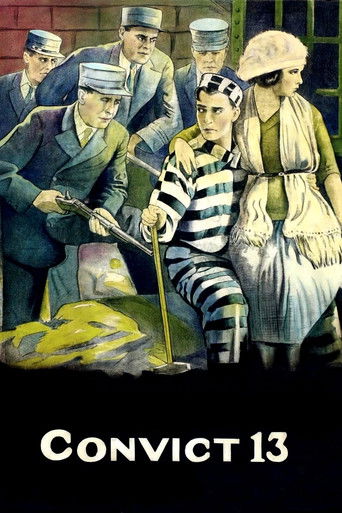
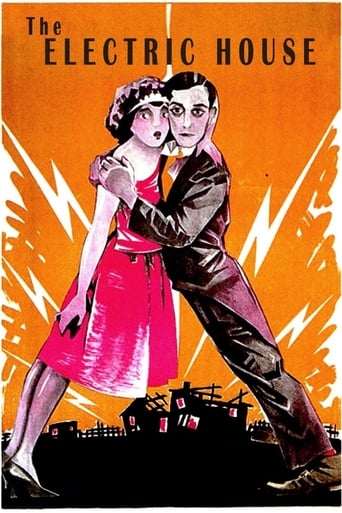
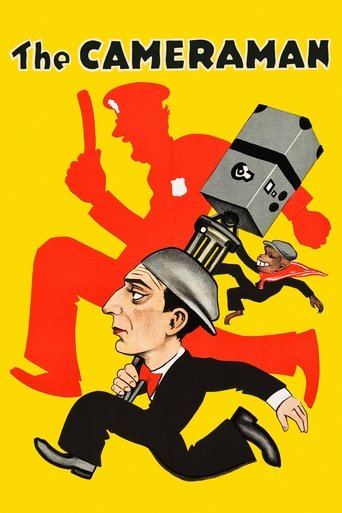
About Louise Keaton
Prominent American actress of the silent film era, best known for her frequent appearances in her brother Buster Keaton's classic comedies. Born into the famous Keaton theatrical family, she began her career performing in vaudeville with her parents and siblings before transitioning to films. Louise appeared in numerous Buster Keaton shorts and features throughout the 1920s, often playing supporting roles that showcased her natural comedic timing and screen presence. Her film from 1920 to 1928, coinciding with the peak of the silent era and her brother's most productive period. She was an integral part of Buster's stock company of actors, bringing authenticity to the family dynamic often depicted in his films. After the transition to sound pictures, Louise largely retired from acting but remained connected to the entertainment industry through her family's continued involvement in show business. Her contributions to silent comedy, while sometimes overlooked in film histories, represent an important part of the Keaton legacy and the collaborative nature of early Hollywood filmmaking.
The Craft
On Screen
Louise Keaton developed a naturalistic comedic style that complemented the physical comedy of silent films. Her performances were characterized by subtle facial expressions and timing that enhanced the visual gags without overacting. She had an innate ability to play both straight woman and comedic foil, adapting her performance to the needs of each scene. Her vaudeville background gave her a strong sense of timing and an understanding of physical comedy that translated well to the screen. Louise's acting was understated yet effective, allowing her to blend seamlessly into ensemble scenes while still making her presence felt.
Milestones
- Regular performer in Buster Keaton's comedy shorts and features
- Appeared in the classic film 'The Cameraman' (1928)
- Part of the Keaton family's vaudeville act before transitioning to film
- Contributed to the golden age of silent comedy
- Member of Buster Keaton's stock company of actors
Best Known For
Iconic Roles
Must-See Films
Accolades
Special Recognition
- Recognized as part of the Keaton family legacy in film history
- Acknowledged in Buster Keaton biographies and documentaries
- Featured in silent film retrospectives and film festivals
Working Relationships
Worked Often With
Studios
Why They Matter
Impact on Culture
Louise Keaton's cultural impact lies primarily in her contribution to the golden age of silent comedy as part of the Keaton family ensemble. Her performances helped create the authentic family dynamics that made Buster Keaton's films so relatable and charming. As a woman working in early Hollywood, she represents the often-overlooked contributions of female performers who supported the major stars of the era. Louise's work exemplifies the collaborative nature of silent film production, where stock companies of actors would work together repeatedly to create consistent comedic chemistry. Her presence in these films adds to their historical value as documents of both family entertainment and the collaborative artistry of early cinema.
Lasting Legacy
Louise Keaton's legacy is intertwined with that of her more famous brother, yet she deserves recognition in her own right as a contributor to silent comedy's golden age. Her performances survive as part of some of the most celebrated films in cinema history, ensuring that future generations can appreciate her contributions. Film historians and Keaton enthusiasts recognize her as an essential part of the team that created these timeless comedies. Her career represents the typical path of many supporting actors in early Hollywood - vital to the success of major productions but often overlooked in historical accounts. The preservation and restoration of Buster Keaton's films have inadvertently preserved Louise's work, allowing modern audiences to appreciate her talent and the collaborative nature of early film comedy.
Who They Inspired
While Louise Keaton was not a direct influence on other performers in the way her brother was, her work exemplified the ensemble approach to comedy that would influence later television sitcoms and comedy films. Her naturalistic style in supporting roles demonstrated how secondary characters could enhance the effectiveness of physical comedy without stealing focus. The family dynamics she helped portray on screen influenced how family relationships would be depicted in comedy for decades to come. Her career also serves as an example of how women could find meaningful work in early Hollywood beyond starring roles, contributing to the ensemble performances that defined silent comedy.
Off Screen
Louise Keaton was born into the renowned Keaton theatrical family and spent her early years traveling with her parents' vaudeville act. She was the sister of Buster Keaton, Harry Keaton, and Myra Keaton, all of whom were involved in show business. Unlike her more famous brother, Louise maintained a relatively private life outside of her film career. After retiring from acting, she focused on her family and lived away from the Hollywood spotlight. She married and had children, though details about her family life remain relatively private. Louise lived to the age of 92, witnessing the evolution of cinema from silent films to modern blockbusters and seeing her brother's work rediscovered and celebrated by new generations.
Education
Educated primarily through her involvement in the family's vaudeville performances and on-the-job training in early film production
Family
- Earl O. Hicks (1925-1973, his death)
Did You Know?
- She was the only sister of Buster Keaton and often played his sister or family member in films
- Began performing in vaudeville as a child with her family's traveling show
- Appeared in uncredited roles in many of Buster's films beyond her credited performances
- The Keaton family's vaudeville act was called 'The Three Keatons' when she performed with her parents and brother
- She was present during the famous incident where Buster got his nickname 'The Great Stone Face'
- Unlike many silent film actors, she successfully transitioned to private life after her film career ended
- She lived long enough to see her brother's films rediscovered and celebrated during the 1960s film revival
- Her film appearances spanned the entire period of Buster's most productive independent filmmaking years
- She was part of the Keaton family's famous 'roughhouse' comedy style that involved physical gags and precision timing
- Her last film appearance was in 'The Cameraman,' one of Buster's most acclaimed features
In Their Own Words
We were born into show business. It was all we knew and all we loved.
Working with Buster was like playing - we were just a family having fun, and the camera happened to be there.
Vaudeville taught us everything we needed to know about timing and making people laugh.
Frequently Asked Questions
Who was Louise Keaton?
American actress of the silent film era, best known as the sister of Buster Keaton and a frequent performer in his classic comedy films. She appeared in numerous shorts and features throughout the 1920s, contributing to the family dynamics that made Buster's films so charming and authentic.
What films is Louise Keaton best known for?
Titles linked here include The Cameraman (1928), The Electric House (1922).
When was Louise Keaton born and when did she die?
Born June 11, 1905; died May 25, 1998.
What awards did Louise Keaton win?
Louise Keaton did not receive formal awards or nominations during her career, which was typical for supporting actors in the silent era. However, she is recognized in film history as an important contributor to Buster Keaton's classic films and the golden age of silent comedy.
What was Louise Keaton's acting style?
Louise Keaton developed a naturalistic comedic style characterized by subtle expressions and impeccable timing that complemented the physical comedy of silent films. Her vaudeville background gave her a strong foundation in performance, allowing her to play both straight woman and comedic foil effectively while maintaining authenticity in family-oriented scenes.