The Goat
"The comic premise for The Goat emerges as a series of mistaken identities in which Keato"
Keys: Space play/pause · ←/→ 10s · F fullscreen · M mute · </> speed
About this film
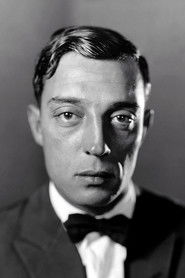
The comic premise for The Goat emerges as a series of mistaken identities in which Keaton is mistaken for a murderer who is pursued by a posse. Keaton’s love interest is the daughter of the policeman leading the manhunt. Clair and Buster Keaton and starring Keaton. This short contains one of Keaton's more memorable images: a distant, speeding train approaches the camera, and stops with a close-up of Keaton, who has been sitting on the front of the locomotive's cowcatcher.
Cast & crew
More films like this


More Comedy films
View all →






More from Buster Keaton
View all →
More about this film
About the production
Release dateJuly 25, 1921
Box officeUnknown - highly successful as part of Keaton's popular short film series
ProductionBuster Keaton Productions
Filmed inLos Angeles, California, Keaton Studio, Hollywood, California
The Goat was filmed during a particularly productive period in Keaton's career when he was producing approximately one two-reel comedy every month. The film showcases Keaton's trademark physical comedy and elaborate chase sequences. The famous scene where Keaton hangs from a moving train was performed by Keaton himself without a stunt double, demonstrating his commitment to authentic physical comedy.
Themes
Mistaken identityThe little man against the systemJustice and injusticePerception versus realityPersistence and resilience
Themes & topics
mistaken identitychasewanted postercriminalpolicetraincomedysilent filmshort filmphysical comedyslapstickromance
Historical background
The Goat (1921) circulated in the silent era. The comic premise for The Goat emerges as a series of mistaken identities in which Keaton is mistaken for a murderer who is pursued by a posse. Contemporary trade papers and later preservation notes document its place among nickelodeon and cinema-club programs.
Why this film matters
The Goat remains accessible to researchers and viewers as a comedy short in museum, archive, and streaming collections. Programmers cite it when tracing regional production history and surviving early prints.
Making of
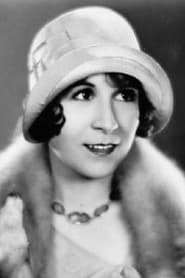
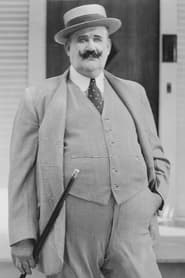
The Goat was produced during Keaton's golden period of short film production at his own studio in Hollywood. Keaton had complete creative control over his films during this time, allowing him to perfect his unique blend of physical comedy and technical innovation. The film's elaborate chase sequence required careful coordination between multiple camera units and was filmed over several days. Keaton's commitment to authentic stunts meant he performed the dangerous train-hanging sequence himself, a practice that would eventually lead to serious injuries in later films. The collaboration with regular cast members Joe Roberts and Virginia Fox created a comfortable working environment that allowed for improvisation and refinement of gags during filming.
What critics said
Day-one reviews for The Goat are sparse in digitized press archives; later criticism treats it as a reference point for 1921 cinema programming and preservation.
Did you know?
- The title 'The Goat' refers to the slang term 'goat' meaning someone who takes the blame for others' mistakes
- The wanted poster gag was inspired by a real incident where Keaton was mistaken for someone else
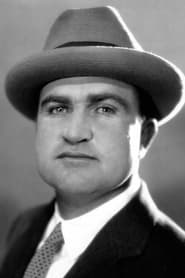
- Joe Roberts, who played Dead Shot Dan, was a regular collaborator with Keaton and appeared in 16 of his films
- The film's famous train sequence required Keaton to actually hang from the side of a moving train
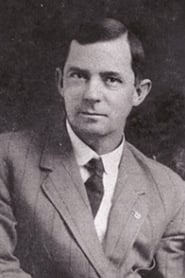
- Virginia Fox, who played the female lead, married director Sam Warner the following year
- This was one of the few Keaton films where he plays a character who is genuinely down on his luck rather than simply finding himself in comical situations
- The film was shot in just a few days, typical for Keaton's efficient production schedule
- Keaton performed nearly all his own stunts, including falling from heights and being dragged through mud
- The police station set was reused in several other Keaton productions due to budget constraints
- The Goat was part of a distribution deal with First National that paid Keaton $150,000 per year for eight shorts
Visual style
The cinematography in The Goat was handled by Elgin Lessley, Keaton's regular cameraman who understood his unique visual needs. The film employs innovative camera techniques including tracking shots during chase sequences and carefully composed long shots that showcase Keaton's physical comedy. Lessley developed special techniques for filming Keaton's stunts, including multiple exposure effects and precise camera movement synchronized with the action. The film's visual style emphasizes clarity and spatial relationships, essential for understanding the complex physical gags. The cinematography also makes effective use of depth of field to create layered comedy, with action happening simultaneously in foreground and background.
Innovations
The Goat showcases several technical innovations that were ahead of their time. The film's chase sequence required complex coordination between multiple camera units and carefully timed stunt work. Keaton and his team developed new techniques for filming action scenes, including the use of camera mounts on moving vehicles to create smooth tracking shots. The film also features innovative editing techniques that create rhythm and pace in the comedy sequences. The famous train sequence required precise timing and engineering to ensure safety while maintaining visual impact. These technical achievements helped establish new standards for action comedy in cinema.
Music
As a silent film, The Goat was originally accompanied by live musical performances in theaters. Typical accompaniment would have included a piano or small orchestra playing popular songs of the era along with classical pieces. Modern restorations have been scored by various composers, including the Alloy Orchestra and others who specialize in silent film music. The music generally follows the action closely, with frantic chase music during pursuit scenes and romantic themes for scenes with Virginia Fox. The absence of dialogue makes the musical accompaniment particularly important in establishing mood and emphasizing comedic moments.
Famous quotes
No dialogue in this silent film, but the intertitle 'Wanted: Dead Shot Dan - Dead or Alive' became iconic
The intertitle 'The Goat' at the beginning with its multiple meanings
Police chief's intertitle: 'We've got him this time!'
Memorable scenes
- The opening sequence where Buster discovers his doppelgänger on the wanted poster
- The elaborate chase through the city streets with Buster being pursued by multiple parties
- The famous train sequence where Buster hangs precariously from the side of a moving train
- The climactic police station scene where both Buster and the real criminal arrive simultaneously
- The final scene where Buster receives the reward and gets the girl
What audiences thought
The Goat was enormously popular with audiences in 1921, playing to packed houses as part of Keaton's successful short film series. Contemporary audience reports indicate that the film received enthusiastic applause and laughter, particularly during the climactic chase sequence. Modern audiences continue to appreciate the film's timeless humor, with The Goat regularly screening at film festivals and revival theaters to enthusiastic response. The film's accessibility and universal themes have helped it maintain its appeal across generations, making it one of Keaton's most consistently popular shorts.
Film connections
Influenced by
- Charlie Chaplin's early shorts
- Mack Sennett comedies
- Harold Lloyd's daredevil comedy style
- Fatty Arbuckle's visual gags
- Max Linder's character-based comedy
This film influenced
- Buster Keaton's later feature films
- The Three Stooges shorts
- Jackie Chan's action comedies
- The Coen Brothers' 'Raising Arizona'
- Peter Sellers' 'The Pink Panther' series
- Rowan Atkinson's 'Mr. Bean' series
Film restoration
The Goat is well-preserved and available in high-quality digital restorations. The film survived the silent era losses that destroyed many works from this period. Multiple 35mm prints exist in archives including the Library of Congress and the Museum of Modern Art. The film has been digitally restored by several organizations including Kino Lorber and the Cohen Film Collection, ensuring its preservation for future generations. The restoration work has cleaned up damage while preserving the original film's visual quality and pacing.
Where to watch
- Available on Blu-ray from Kino Lorber's 'Buster Keaton: The Short Films Collection'
- Streaming on The Criterion Channel
- Available on DVD from various distributors
- Can be found on YouTube in public domain versions
- Available for rental or purchase on Amazon Prime Video
- Sometimes featured on Turner Classic Movies
- Available through educational streaming services like Kanopy