
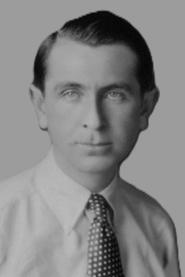
Malcolm St. Clair
Actor & Director
Born: May 17, 1897 in Los Angeles, California, USA Died: June 1, 1952 Active: 1915-1945
Films
8 films

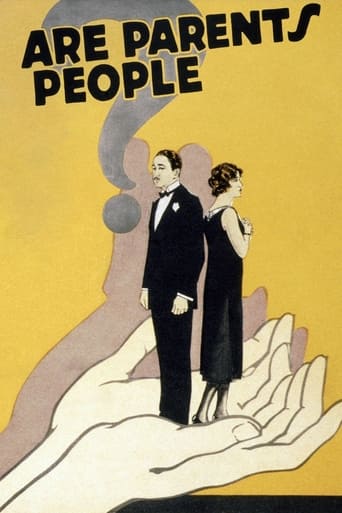
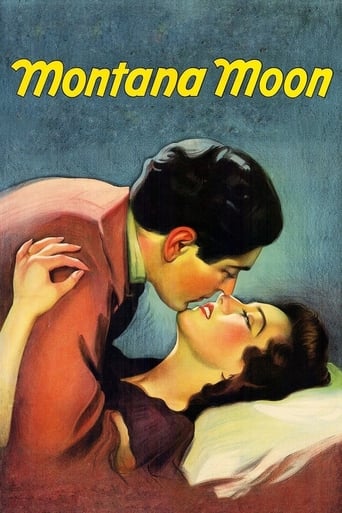
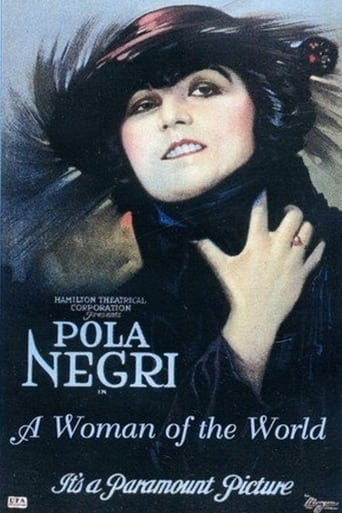
About Malcolm St. Clair
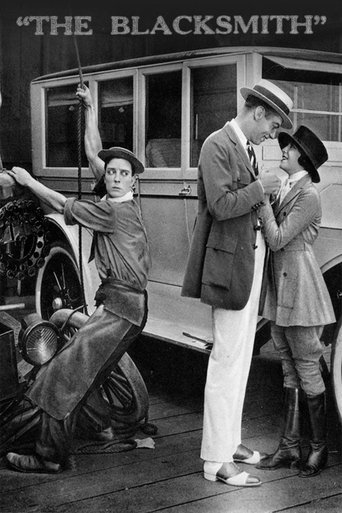
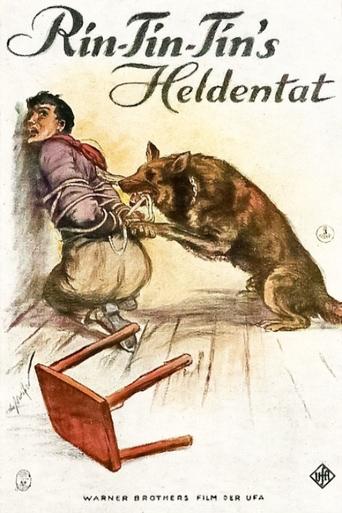
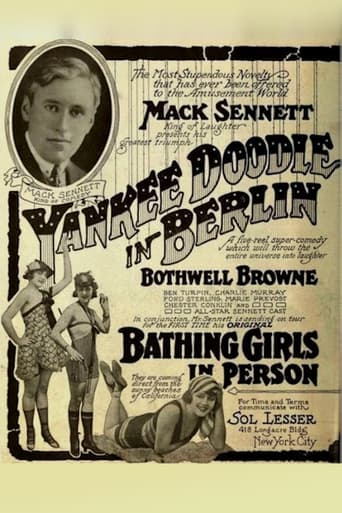
American film director, actor, and screenwriter who in Hollywood's transition from silent films to talkies. Born in Los Angeles in 1897, he began his career as an actor in comedy shorts, often working alongside Charlie Chaplin at Mack Sennett's Keystone Studios. His acting appearances included notable films like 'The Goat' (1921) and 'The Blacksmith' (1922), where he showcased his comedic talents. St. Clair transitioned to directing in the early 1920s, finding considerable success with films such as 'The Lighthouse by the Sea' (1924) starring Rin Tin Tin. He became particularly adept at directing romantic comedies and worked with major stars of the era including Clara Bow, whom he directed in several popular films. His career successfully navigated the challenging transition to sound, as evidenced by his work on 'The Canary Murder Case' (1929), one of the early talkies. St. Clair continued directing through the 1930s and early 1940s, though his later work was less than his silent and early sound period achievements. He retired from filmmaking in the mid-1940s and passed away in 1952 at the age of 55.
The Craft
On Screen
Known for physical comedy and slapstick techniques typical of the silent era, with a background in vaudeville-style performance that emphasized visual gags and expressive body language.
Behind the Camera
Specialized in romantic comedies and light entertainment, with a focus on pacing and visual storytelling that translated well from silent to sound films.
Milestones
- Transition from actor to successful director
- Directed Clara Bow in several hit films
- Successfully navigated the transition from silent to sound films
- Worked with Charlie Chaplin at Keystone Studios
- Directed Rin Tin Tin in popular films
Best Known For
Iconic Roles
Must-See Films
Working Relationships
Worked Often With
Studios
Why They Matter
Impact on Culture
Malcolm St. Clair contributed significantly to the development of the romantic comedy genre during the transition from silent to sound films. His work with Clara Bow helped establish her as. His ability to adapt his directing style from silent visual storytelling to sound dialogue-driven narratives demonstrated the technical and artistic flexibility needed during this crucial period of cinema history. St. Clair's films reflected the changing social mores of the Jazz Age, often featuring modern, independent female characters that resonated with contemporary audiences.
Lasting Legacy
Though not as widely remembered as some of his contemporaries, Malcolm St. Clair left a mark on Hollywood's Golden Age through his successful navigation of the silent-to-sound transition and his contributions to early romantic comedies. His films with Clara Bow remain important examples of late silent cinema and early sound film techniques. His career trajectory from actor to director represents a common path for many silent era filmmakers who learned their craft through practical experience rather than formal training. St. Clair's work exemplifies the type of studio-system craftsmanship that characterized Hollywood during its formative decades.
Who They Inspired
While not widely cited as a major influence by later filmmakers, St. Clair's approach to romantic comedy and his technical adaptations to sound filmmaking contributed to the development of genre conventions that would be refined by subsequent directors. His work demonstrated how visual comedy techniques from the silent era could be effectively incorporated into sound films, a lesson that influenced comedy filmmakers throughout the 1930s and beyond.
Off Screen
Malcolm St. Clair was married to actress Esther Ralston from 1927 to 1931. Their marriage was highly publicized in Hollywood circles during the late 1920s. The couple divorced in 1931, which was covered extensively by the entertainment press of the era. After his divorce from Ralston, St. Clair remarried and had a more private personal life away from the Hollywood spotlight. He spent his later years away from the film industry, living a relatively quiet life until his death from a heart attack in 1952.
Education
No formal education documented, likely learned through practical experience in the film industry
Family
- Esther Ralston (1927-1931)
- Shirley Palmer (1932-1952)
Did You Know?
- Started as an actor at Mack Sennett's Keystone Studios
- Worked alongside Charlie Chaplin in early films
- Married actress Esther Ralston in 1927
- Directed several films starring Clara Bow, helping establish her as 'The It Girl'
- Successfully transitioned from silent to sound films
- Sometimes credited as 'Mal St. Clair'
- Directed Rin Tin Tin in multiple films
- His film 'The Canary Murder Case' was one of the early talkies that helped establish the sound film industry
- Retired from directing in the mid-1940s
- Died of a heart attack at age 55
Frequently Asked Questions
Who was Malcolm St. Clair?
American film actor, on YTB.my. He began his career as an actor in comedies before transitioning to directing, where he found success with films like 'The Lighthouse by the Sea' and 'The Canary Murder Case'.
What films is Malcolm St. Clair best known for?
Titles linked here include The Canary Murder Case (1929), The Lighthouse by the Sea (1924).
When was Malcolm St. Clair born and when did he die?
Born May 17, 1897; died June 1, 1952.
What awards did Malcolm St. Clair win?
Despite his successful career as both actor and director during Hollywood's formative years, Malcolm St. Clair did not receive major industry awards or nominations that are documented in film history records.
What was Malcolm St. Clair's directing style?
St. Clair specialized in romantic comedies and light entertainment, with a directing style that emphasized pacing and visual storytelling. His background in silent film helped him successfully transition to sound films, maintaining strong visual elements while incorporating dialogue effectively.
Did Malcolm St. Clair work with any famous actors?
Yes, St. Clair worked with several notable stars of his era including Clara Bow, whom he directed in multiple films, Rin Tin Tin, and Charles 'Buddy' Rogers. He also acted alongside Charlie Chaplin in his early career at Keystone Studios.
How did Malcolm St. Clair contribute to early cinema?
St. Clair contributed to early cinema by successfully navigating the transition from silent to sound films, helping establish the romantic comedy genre, and showcasing Clara Bow's talents in films that captured the spirit of the Jazz Age. His technical adaptations to sound filmmaking demonstrated important innovations during this crucial period of cinema history.