
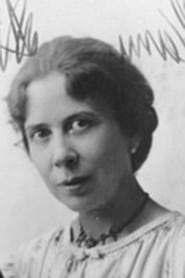
Myra Keaton
Actor
Born: March 13, 1877 in Modale, Iowa, United States Died: July 21, 1955 Active: 1889-1955 Birth Name: Myra Edith Cutler
Films
2 films
About Myra Keaton
Myra Keaton, born Myra Edith Cutler, was a pivotal figure in early American entertainment who transitioned from vaudeville stardom to silent film appearances. She began her career as part of The Three Keatons vaudeville act alongside her husband Joe Keaton and their son Buster, performing rough-and-tumble comedy routines that toured nationwide. The family act was known for its physical comedy and dangerous stunts, with Myra often playing the straight woman or participating in the slapstick mayhem. When Buster Keaton transitioned to films, Myra appeared in several of his early short comedies, bringing her vaudeville timing to the silver screen. Her film appearances, though brief, added authenticity to Buster's comedic world and represented the family's entertainment legacy. Beyond her on-screen work, she was instrumental in managing the family's business affairs during their vaudeville years. Her the transition from live performance to early cinema, making her a bridge between two entertainment eras.
The Craft
On Screen
Myra Keaton's acting style was rooted in vaudeville physical comedy, characterized by deadpan expressions and impeccable timing. She specialized in playing the straight woman to her family's slapstick antics, using subtle facial expressions and controlled movements to enhance the comedic effect. Her performance technique emphasized restraint amidst chaos, creating a perfect counterbalance to the more exaggerated performances of her husband and son. In her film appearances, she maintained this vaudeville sensibility while adapting to the demands of cinematic comedy.
Milestones
- Member of The Three Keatons vaudeville act
- Appeared in Buster Keaton's early silent films
- Managed family's vaudeville business affairs
- Pioneered family-based entertainment in early 20th century
- Transitioned successfully from stage to film
Best Known For
Iconic Roles
Must-See Films
Accolades
Special Recognition
- Inducted into the International Vaudeville Hall of Fame (posthumously)
- Recognized as a pioneer of family entertainment in early American theater
Working Relationships
Worked Often With
Studios
Why They Matter
Impact on Culture
Myra Keaton played a crucial role in shaping American family entertainment during the transition from vaudeville to cinema. As part of The Three Keatons, she helped establish the template for family-based comedy acts that would influence generations of performers. Her ability to balance the demands of motherhood with the rigors of touring performance challenged gender norms of the early 20th century. The Keaton family's success demonstrated the viability of family acts in professional entertainment, paving the way for future family performers. Her appearances in Buster's films helped bridge the gap between stage and screen comedy, contributing to the development of silent film comedy techniques.
Lasting Legacy
Myra Keaton's legacy endures through her influence on Buster Keaton's legendary career and her contribution to early American entertainment. She represents the often-overlooked contributions of women in early vaudeville and silent film, particularly as business managers and performers. The Keaton family's success story, with Myra at its center, shows the importance of family support in artistic achievement. Her work helped preserve vaudeville comedy traditions in the emerging medium of cinema, ensuring that classic physical comedy techniques would be passed to future generations. Modern family entertainment owes a debt to pioneers like Myra who proved that family acts could achieve both artistic and commercial success.
Who They Inspired
Myra Keaton directly influenced her son Buster's comedic timing and performance style through their years of working together in vaudeville. Her management of the family's business affairs provided a model for how performers could maintain artistic integrity while achieving commercial success. The Keaton family act influenced numerous subsequent family entertainment acts, from the Marx Brothers to modern family comedians. Her ability to adapt from stage to screen demonstrated the versatility required for entertainers during the transition to cinema. The professional standards she maintained in the family act set benchmarks for discipline and reliability in the entertainment industry.
Off Screen
Myra Keaton married Joseph Frank Keaton in 1894, forming both a personal and professional partnership that would span decades. Together they raised three children: Buster (born 1895), Harry (born 1901), and Louise (born 1905), all of whom entered show business. The family's nomadic lifestyle during their vaudeville years meant constant travel across the United States, performing in theaters and medicine shows. Despite the rigorous performance schedule, Myra maintained strong family bonds and was known as the disciplinarian and business manager of the Keaton household. After retiring from performing, she lived in Los Angeles near her famous son and remained connected to the entertainment industry until her death.
Education
Limited formal education due to early entry into show business; trained in vaudeville performance techniques through practical experience
Family
- Joseph Frank Keaton (1894-1946, until his death)
Did You Know?
- Myra was of Irish and German descent
- She met her husband Joe Keaton at a medicine show where they were both performing
- The Keaton family was part of a traveling medicine show before forming their own act
- Myra was known as the 'business head' of the family, handling bookings and finances
- She continued performing in vaudeville even after Buster became a film star
- Myra was instrumental in convincing Buster to remain in films rather than return to vaudeville
- She appeared in over 20 of Buster's films, often in uncredited roles
- The family's vaudeville act was once banned in several cities due to its dangerous stunts
- Myra taught her children to perform from infancy, with Buster reportedly making his stage debut at 9 months old
- She maintained a lifelong friendship with many vaudeville performers even after retiring
In Their Own Words
In vaudeville, you had to be good every night, not just once in a while like in the movies
Family comes first, but show business comes a very close second
Buster was always a natural performer - we just had to point him toward the audience
The secret to our success was that we never stopped being a family, even on stage
Frequently Asked Questions
Who was Myra Keaton?
American vaudeville performer and silent film actress, best known as the mother of legendary comedian Buster Keaton and as a member of The Three Keatons family vaudeville act. She played a crucial role in managing her family's entertainment career and appeared in several of her son's early films.
What films is Myra Keaton best known for?
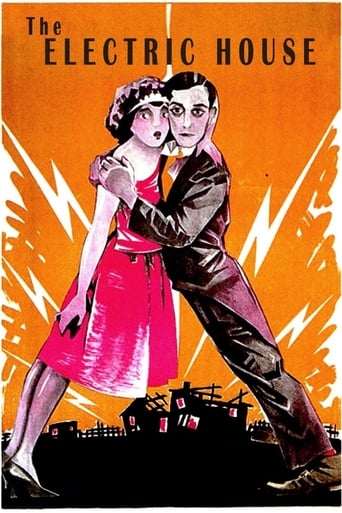
Titles linked here include The Goat (1921), The Electric House (1922).
When was Myra Keaton born and when did she die?
Born March 13, 1877; died July 21, 1955.
What awards did Myra Keaton win?
While Myra Keaton did not receive major film awards during her lifetime, she was posthumously inducted into the International Vaudeville Hall of Fame and recognized as a pioneer of family entertainment in early American theater.
What was Myra Keaton's acting style?
Myra Keaton's acting style was rooted in vaudeville physical comedy, characterized by deadpan expressions and impeccable timing. She specialized in playing the straight woman to her family's slapstick antics, using restraint and subtle reactions to enhance the comedic effect.
How did Myra Keaton influence Buster Keaton's career?
Myra Keaton was instrumental in developing Buster's comedic timing and performance style through their years in vaudeville. She managed the family's business affairs, supported his transition to films, and provided the stable foundation that allowed him to become one of cinema's greatest comedians.
What was The Three Keatons vaudeville act?
The Three Keatons was a family vaudeville act featuring Myra, her husband Joe, and their son Buster. They performed rough-and-tumble comedy routines with dangerous stunts across the United States from the early 1900s until Buster transitioned to films in the 1920s.