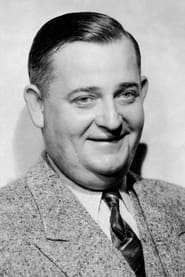
Edward Sedgwick
Director
Born: November 7, 1892 in Galveston, Texas, USA Died: March 7, 1953 Active: 1915-1945
Films
9 films

About Edward Sedgwick
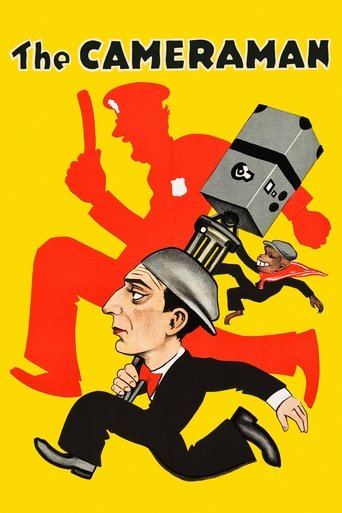
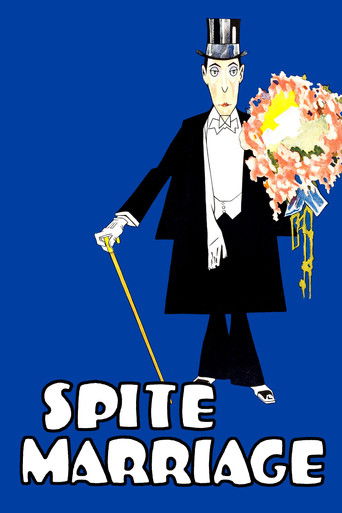
Prolific American film director, actor, and screenwriter who became one of Hollywood's most reliable studio directors during the transition from silent films to sound. Born in Galveston, Texas, he began his career as an actor in silent comedies, often credited as 'Eddie Sedgwick,' before transitioning to directing in the early 1920s. Sedgwick's breakthrough came when he joined Metro-Goldwyn-Mayer (MGM) as a contract director, where he would spend the majority of his career and direct over 100 films. He is best remembered for his collaborations with comedy legend Buster Keaton, directing The Cameraman (1928) and Spite Marriage (1929), which are considered among Keaton's finest sound films. Sedgwick demonstrated remarkable versatility, handling everything from romantic comedies to dramas, and was particularly adept at working with comedy specialists like the Marx Brothers, Jimmy Durante, and Marion Davies. His efficient work ethic and ability to deliver films on schedule made him a valuable asset to MGM throughout the 1930s. After his directing career waned in the early 1940s, he continued working in the industry as a script doctor and second-unit director until his death in 1953.
The Craft
Behind the Camera
Sedgwick was known for his efficient, no-nonsense directing approach that prioritized studio deadlines and commercial appeal. His style was particularly well-suited for comedy, where he demonstrated a keen understanding of timing and pacing. He had a talent for showcasing star performers while maintaining narrative momentum, and his work with Buster Keaton showed an appreciation for visual gags and physical comedy. Sedgwick's direction was clean and straightforward, avoiding excessive stylistic flourishes in favor of clear storytelling that served both the material and the studio's commercial interests.
Milestones
- Directed Buster Keaton's MGM films including The Cameraman (1928)
- Directed over 100 films during his career
- Successfully transitioned from silent films to talkies
- Long-term contract director at MGM
- Collaborated with major comedy stars of the era
- Began career as actor in silent comedies before moving behind the camera
Best Known For
Iconic Roles
Must-See Films
Accolades
Special Recognition
- Star on the Hollywood Walk of Fame (for contributions to motion pictures)
Working Relationships
Worked Often With
Studios
Why They Matter
Impact on Culture
Edward Sedgwick played a significant role in preserving Buster Keaton's cinematic legacy during the difficult transition to sound films. His direction of The Cameraman is widely regarded as one of Keaton's best sound features, demonstrating that silent comedy techniques could successfully adapt to the new era. Sedgwick's work at MGM during the studio system's peak exemplifies the importance of reliable, versatile directors who could deliver commercially successful films across genres. His collaborations with comedy stars helped bridge the gap between silent and sound comedy, influencing how visual humor was integrated with dialogue. While not as celebrated as some of his contemporaries, Sedgwick's filmography provides valuable insight into the industrial filmmaking practices of Golden Age Hollywood.
Lasting Legacy
Edward Sedgwick's legacy lies primarily in his contributions to early sound comedy and his work with Buster Keaton. The Cameraman (1928) remains his most enduring achievement and is frequently cited as one of the great comedy films of the late silent era. His extensive filmography serves as a valuable record of Hollywood's studio system at its peak, demonstrating how contract directors like Sedgwick were essential to maintaining the industry's productivity. While not a household name like some directors he worked with, film historians and classic cinema enthusiasts recognize Sedgwick as an important craftsman who helped shape the transition from silent to sound films. His efficient directing style and ability to work with comedy stars influenced subsequent generations of studio directors.
Who They Inspired
Sedgwick influenced subsequent generations of studio directors through his example of efficient, reliable filmmaking under the studio system. His successful adaptation of Buster Keaton's visual comedy style to sound films provided a template for other directors working with silent comedy stars transitioning to talkies. His work demonstrated the importance of understanding performers' strengths and tailoring direction to showcase their talents, a lesson that influenced many comedy directors who followed. Sedgwick's career also exemplified the role of the contract director in Hollywood's Golden Age, showing how such directors could maintain long careers by delivering consistent, commercially successful work across various genres.
Off Screen
Edward Sedgwick married actress and screenwriter Eleanore Griffith in 1925, and they remained married until his death in 1953. The couple had one child together. Sedgwick was known in Hollywood circles as a hardworking, dependable professional who maintained good relationships with studio executives and fellow filmmakers. Despite his prolific output, he remained relatively private about his personal life, focusing primarily on his work. His later years were marked by declining health, though he continued to work in the film industry in various capacities until his death from a heart attack at age 60.
Education
Limited formal education; primarily self-taught in film craft through hands-on experience in the early film industry
Family
- Eleanore Griffith (1925-1953)
Did You Know?
- Began his film career as an actor using the name 'Eddie Sedgwick'
- Directed over 100 films in his 30-year career
- Was one of the few directors who successfully worked with Buster Keaton during his MGM period
- The Cameraman (1928) was selected for preservation in the National Film Registry in 2005
- Often worked as a script doctor on other directors' films later in his career
- Was known for his ability to complete films on time and under budget
- Served in the Army Air Corps during World War I before entering films
- His father was a theater owner, which exposed him to show business from an early age
- Worked as a stuntman in his early film days
- Was one of MGM's most prolific directors during the late 1920s and early 1930s
In Their Own Words
The secret to directing comedy is knowing when to let the comedian do what they do best
In Hollywood, reliability is more valuable than genius
A director's job is to get out of the way of the stars and let them shine
The transition from silent to sound wasn't about technology, it was about learning to tell stories differently
Frequently Asked Questions
Who was Edward Sedgwick?
Prolific American on YTB.my. He is best known for directing Buster Keaton's films at MGM, including The Cameraman (1928), and for his extensive work as a contract director at Metro-Goldwyn-Mayer.
What films is Edward Sedgwick best known for?
Titles linked here include The Cameraman (1928), Spite Marriage (1929).
When was Edward Sedgwick born and when did he die?
Born November 7, 1892; died March 7, 1953.
What awards did Edward Sedgwick win?
While Edward Sedgwick did not receive major film awards during his lifetime, he was honored with a star on the Hollywood Walk of Fame for his contributions to motion pictures. His film The Cameraman was selected for preservation in the National Film Registry in 2005, recognizing its cultural significance.
What was Edward Sedgwick's directing style?
Sedgwick's directing style was efficient and straightforward, prioritizing clear storytelling and commercial appeal. He had a particular talent for comedy, demonstrating excellent timing and pacing, especially in his work with physical comedians. His approach was well-suited to the studio system, where he was valued for his reliability and ability to deliver films on schedule.
How did Edward Sedgwick influence Buster Keaton's career?
Sedgwick directed Keaton during his difficult transition to MGM and sound films, with The Cameraman (1928) being widely regarded as one of Keaton's best sound features. Sedgwick's direction helped preserve Keaton's unique visual comedy style while adapting to the new requirements of sound cinema, making their collaboration crucial to maintaining Keaton's cinematic legacy.