
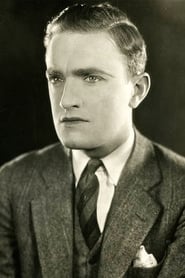
Harold Goodwin
Actor
Born: December 1, 1902 in Peoria, Illinois, USA Died: July 12, 1987 Active: 1915-1943
Films
10 films



About Harold Goodwin
Harold Goodwin worked on over 200 films between 1915 and 1943. He began his career as a child actor in the 1910s, quickly establishing himself as a reliable supporting player in both dramatic and comedic roles. Goodwin worked extensively with major studios including Universal, Paramount, and MGM, often playing the best friend, rival, or comic relief to the leading stars. His versatility allowed him to transition successfully from silent films to talkies, though his most prominent work was during the silent era. Harold appears alongside many of the biggest stars of his time, including Buster Keaton, Harold Lloyd, and Mary Pickford. As the film industry evolved, Goodwin continued working in smaller character roles throughout the 1930s and early 1940s, though his screen time diminished as newer actors emerged. His career represents the journey of many reliable supporting actors who formed the backbone of Hollywood's golden age.
The Craft
On Screen
Goodwin was known for his naturalistic acting style that adapted well to both dramatic and comedic roles. He possessed a expressive face that could convey emotion effectively in silent films, using subtle gestures and expressions to communicate with audiences. His comedic timing was particularly notable in his work with Buster Keaton, where he often served as the perfect straight man or comic foil. Goodwin's approach was characterized by its reliability and consistency, making him a valuable supporting player who could enhance any scene without overshadowing the lead.
Milestones
- Began career as child actor in 1915
- Appeared in over 200 films during his career
- Worked with Buster Keaton on multiple films
- Successfully transitioned from silent to sound films
- Played supporting roles to major stars of the silent era
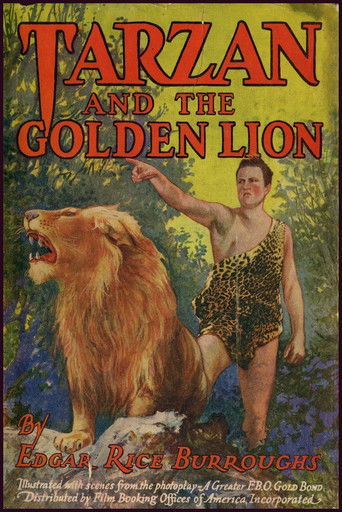
- Appeared in early Tarzan films
Best Known For
Iconic Roles
Must-See Films
Working Relationships
Worked Often With
Studios
Why They Matter
Impact on Culture
Harold Goodwin's contribution to cinema lies in his role as one of the essential supporting actors who populated the films of Hollywood's golden age. His work with Buster Keaton helped create some of the most enduring comedies of the silent era, and his ability to adapt his performance style to serve different leading actors made him invaluable to directors and studios. Goodwin represents the thousands of character actors who, while never achieving stardom themselves, were crucial to the success of the films and stars they supported. His career spans the entire transition from silent films to talkies, making him a living example of how actors adapted to the technological and artistic changes in early Hollywood.
Lasting Legacy
Harold Goodwin's legacy is preserved through the many classic films in which he appeared, particularly the Buster Keaton comedies that continue to be studied and enjoyed by film enthusiasts worldwide. While his name may not be widely recognized by general audiences, film historians and silent cinema scholars acknowledge his importance as a reliable and talented supporting player. His extensive filmography provides a valuable record of the types of character roles that were essential to silent and early sound cinema. Goodwin's career shows the importance of ensemble acting and the crucial role that supporting actors play in creating memorable films.
Who They Inspired
Goodwin's influence was primarily through his collaborative work with major stars rather than through mentoring other actors. His natural acting style and ability to complement leading performances set a standard for supporting actors in ensemble films. His successful transition from silent to sound films demonstrated the adaptability required for longevity in Hollywood during this transformative period. Contemporary character actors studying silent era performances often look to Goodwin's work as an example of effective supporting performance techniques.
Off Screen
Harold Goodwin led a relatively private life away from the Hollywood spotlight. He married actress Frances Lee in 1925, though the marriage ended in divorce. Unlike many of his contemporaries, Goodwin managed to avoid the scandals and controversies that plagued Hollywood during the golden age. After his film career diminished in the early 1940s, he largely retired from the entertainment industry and lived a quiet life in California. He remained connected to old Hollywood friends and occasionally attended film retrospectives and reunions in his later years.
Education
Limited formal education due to early entry into acting; likely educated in the Hollywood studio system
Family
- Frances Lee (1925-1932)
Did You Know?
- Appeared in over 200 films during his 28-year career
- Worked with both Harold Lloyd and Buster Keaton, two of the biggest comedy stars of the silent era
- Often played characters named 'Harold' in his films
- Was one of the few child actors of the 1910s to maintain an adult acting career
- Appeared in both the silent and sound versions of some films
- His final film appearance was in 1943's 'The Man from Down Under'
- Worked with director John Ford on several occasions
- Was a member of the original Motion Picture Relief Fund
- Survived the transition to sound when many silent era actors did not
- His brother, Charles Goodwin, also worked in films as a stuntman
In Their Own Words
In an interview about working with Buster Keaton: 'Buster was a genius, but he needed good people around him to make his gags work. We weren't just supporting players; we were part of the comedy machine.'
On the transition to sound: 'The talkies didn't scare me. Acting is acting, whether you have words or not. You still have to be truthful to the character.'
Frequently Asked Questions
Who was Harold Goodwin?
Screen credits include over 200 films during the silent era and early sound period. He was best known for his supporting roles in Buster Keaton comedies and his ability to work reliably across various genres and studios throughout his 28-year career.
What films is Harold Goodwin best known for?
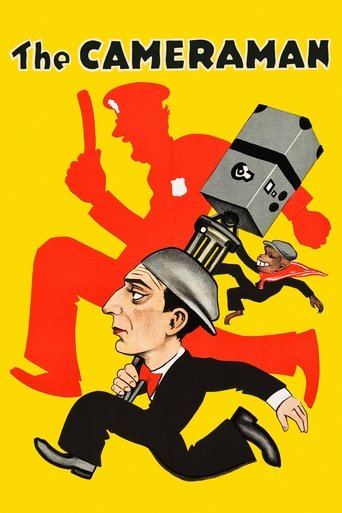
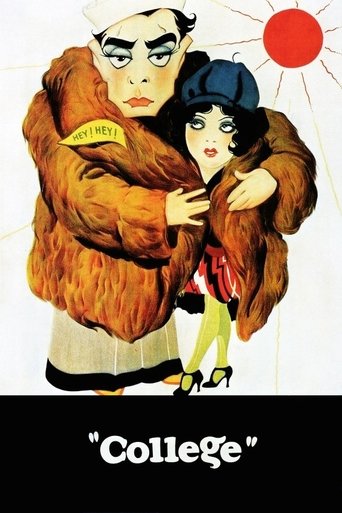
Titles linked here include College (1927), The General (1926).
When was Harold Goodwin born and when did he die?
Born December 1, 1902; died July 12, 1987.
What awards did Harold Goodwin win?
Despite his extensive filmography, Harold Goodwin did not receive major awards or nominations during his career. His contribution was primarily as a reliable supporting actor rather than an award-winning performer.
What was Harold Goodwin's acting style?
Goodwin was known for his naturalistic and versatile acting style, particularly effective in silent films where facial expressions and physical comedy were crucial. He excelled at being both a comedic foil and dramatic supporting player, adapting his performance to enhance the lead actors' work.
How did Harold Goodwin transition from silent to sound films?
Goodwin successfully made the transition to sound films in the late 1920s, unlike many silent era actors who struggled. His adaptable acting style and clear speaking voice allowed him to continue working, though in increasingly smaller roles throughout the 1930s and early 1940s.