Marceline Day
Actor
Born: April 24, 1908 in Colorado Springs, Colorado, USA Died: February 16, 2000 Active: 1924-1933 Birth Name: Marceline Newlin
Films
5 films

About Marceline Day
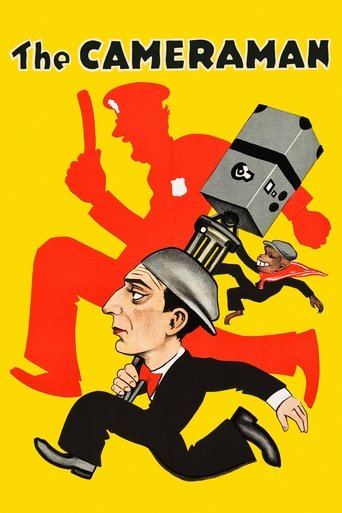
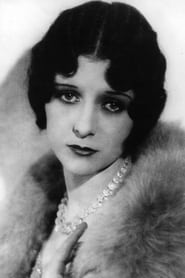
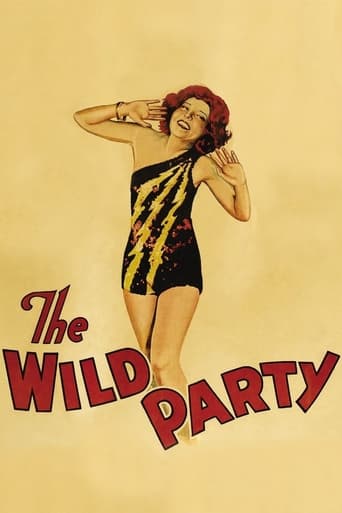
Prominent silent film actress who rose to fame during the 1920s, appearing in numerous comedies and dramas for Hal Roach Studios and other major studios. Born as Marceline Newlin, she began her career in short comedies before successfully transitioning to feature films, showcasing her versatility as both a comedic and dramatic actress. Her most celebrated performance was opposite Buster Keaton in 'The Cameraman' (1928), where she played the love interest Sally Richards in what would become one of Keaton's last great silent films. She worked alongside Hollywood legends including John Barrymore in 'The Beloved Rogue' (1927) and Clara Bow in 'The Wild Party' (1929), demonstrating her ability to hold her own with major stars. While she made the transition to talkies more successfully than many of her contemporaries, her career began to wane in the early 1930s, leading to her retirement in 1933 at the young age of 25. Her legacy remains tied to her work in silent cinema, particularly her collaborations with comedy legends and her naturalistic acting style that exemplified the transition from silent to sound films.
The Craft
On Screen
Marceline Day was known for her naturalistic acting style that adapted seamlessly to both comedy and drama, making her particularly valuable during the transition from silent to sound films. In her comedic roles, especially with Hal Roach Studios, she displayed excellent timing and a charming screen presence that perfectly complemented leading men like Stan Laurel and Oliver Hardy. Her dramatic performances, such as in 'The Beloved Rogue,' showcased her ability to convey complex emotions through subtle facial expressions and body language, essential skills in the silent medium. She possessed a delicate beauty and expressive eyes that allowed her to communicate effectively without dialogue, while her clear diction and pleasant voice helped her navigate the transition to talkies more smoothly than many of her contemporaries. Her versatility allowed her to move between light comedy and serious drama with equal skill, making her a valuable character actress throughout her career.
Milestones
- Signed with Hal Roach Studios and began appearing in comedy shorts (1924)
- Selected as WAMPAS Baby Star recognizing her as a rising talent (1926)
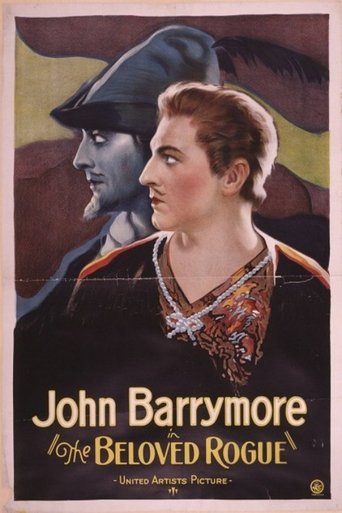
- Breakthrough role in 'The Beloved Rogue' opposite John Barrymore (1927)
- Starred opposite Buster Keaton in 'The Cameraman' (1928)
- Successfully transitioned to talkies with 'The Wild Party' (1929)
- Retired from acting after appearing in over 60 films (1933)
Best Known For
Iconic Roles
Must-See Films
Accolades
Special Recognition
- WAMPAS Baby Star (1926)
Working Relationships
Worked Often With
Studios
Why They Matter
Impact on Culture
Marceline Day represents the typical journey of many silent film actresses who achieved significant fame during the 1920s but struggled to maintain their careers with the advent of sound cinema. Her work in 'The Cameraman' opposite Buster Keaton remains culturally significant as it captures one of the last great silent comedies and showcases the collaborative artistry of the era. As a WAMPAS Baby Star in 1926, she was part of an elite group of actresses predicted to have major careers, though like many of her contemporaries, she did not achieve the lasting stardom that the honor suggested. Her performances provide valuable insight into the acting styles and techniques of the silent era, particularly the ability to convey emotion and character through physical expression alone. Her relatively smooth transition to talkies, while ultimately not sustaining her career, demonstrates the adaptability required of actors during this transformative period in cinema history.
Lasting Legacy
Marceline Day's legacy is primarily preserved through her surviving film work, particularly 'The Cameraman,' which continues to be studied and appreciated by silent film enthusiasts and scholars as a masterpiece of silent comedy. Her career trajectory exemplifies the challenges faced by many silent film actors during the transition to sound cinema, serving as a case study in the volatility of early Hollywood stardom. While she did not achieve the lasting fame of some of her contemporaries, her contributions to silent cinema, particularly her work with comedy legends like Buster Keaton and the Hal Roach comedy team, ensure her place in film history. Her films serve as important artifacts of the silent era, showcasing the acting styles, production values, and storytelling techniques that defined early American cinema. Her relatively early retirement and long life made her one of the last surviving links to the silent era, though she rarely participated in interviews or retrospectives about her career.
Who They Inspired
While Marceline Day did not have a widely documented influence on other actors or directors, her naturalistic acting style and successful transition to talkies demonstrated adaptability that may have influenced her contemporaries facing similar challenges. Her work in 'The Cameraman' continues to be studied by film scholars as an example of effective silent film performance and chemistry between leading actors. Her career serves as an educational example for film students studying the transition from silent to sound cinema, illustrating both the opportunities and obstacles presented by this technological revolution. The professionalism and versatility she displayed across different genres and studio systems set a standard for work ethic in early Hollywood that may have influenced younger actors entering the industry.
Off Screen
Marceline Day was born into a family that would produce two Hollywood actresses, with her sister Alice Day also pursuing a career in silent films. The sisters occasionally appeared together in films, supporting each other's careers during the competitive Hollywood studio system. In 1930, Marceline married Arthur J. Klein, a wealthy businessman, which coincided with the decline of her film career and may have influenced her decision to retire from acting. After leaving Hollywood, she focused on her family life and maintained a relatively low profile, rarely giving interviews or making public appearances. She spent her later years in California, living a quiet life away from the glamour of Hollywood that had once been her world. Her longevity allowed her to outlive most of her silent film contemporaries, making her one of the last links to that golden era of cinema.
Education
Family
- Arthur J. Klein (1930-1963, his death)
Did You Know?
- She was the sister of fellow silent film actress Alice Day, and both sisters appeared in films together
- She was selected as a WAMPAS Baby Star in 1926, along with future stars like Mary Astor and Joan Crawford
- Her real name was Marceline Newlin, adopting 'Day' as her professional surname
- She appeared in over 60 films during her brief nine-year career
- Her most famous role was opposite Buster Keaton in 'The Cameraman', one of Keaton's last great silent films
- She successfully made the transition to talkies, unlike many of her silent film contemporaries
- She retired from acting at the relatively young age of 25 to focus on her marriage
- Her last film was 'The Big Noise' in 1936, appearing in a small role three years after her official retirement
- She lived to be 91 years old, outliving most of her silent film contemporaries by decades
- She married businessman Arthur J. Klein in 1930, shortly before her retirement from acting
- She began her career with Hal Roach Studios, famous for producing comedy shorts with stars like Laurel and Hardy
- Despite her beauty and talent, she never became a major star, remaining primarily a supporting actress throughout her career
Frequently Asked Questions
Who was Marceline Day?
Silent film actress who rose to prominence in the 1920s, best known for her roles opposite Buster Keaton in 'The Cameraman' and her work with Hal Roach Studios. She was one of the WAMPAS Baby Stars of 1926 and successfully transitioned from short comedies to feature films during her nine-year career.
What films is Marceline Day best known for?
Titles linked here include The Cameraman (1928), The Beloved Rogue (1927).
When was Marceline Day born and when did she die?
Born April 24, 1908; died February 16, 2000.
What awards did Marceline Day win?
Marceline Day was selected as one of the WAMPAS Baby Stars in 1926, an honor given to young actresses predicted to have major careers in Hollywood. While she did not receive major industry awards like the Academy Award, this recognition was significant in establishing her as a rising talent during the silent era.
What was Marceline Day's acting style?
Marceline Day was known for her naturalistic acting style that worked well in both comedy and drama. She had excellent timing in comedic roles and could convey emotion effectively through facial expressions, which served her well in silent films. Her smooth transition to talkies suggests she had a good vocal presence and adaptability to the new medium.
Why did Marceline Day retire from acting?
Marceline Day retired from acting in 1933 at the age of 25, shortly after marrying businessman Arthur J. Klein in 1930. Like many silent film actors, her career declined with the transition to sound films, and she chose to focus on her personal life rather than continue pursuing acting opportunities in the changing Hollywood landscape.
Was Marceline Day related to any other actors?
Yes, Marceline Day was the sister of Alice Day, who was also a silent film actress. The sisters sometimes appeared together in films and both had careers during the silent era, though neither achieved lasting stardom with the advent of sound cinema.