The Wild Party
"1929 film by Dorothy Arzner"
Keys: Space play/pause · ←/→ 10s · F fullscreen · M mute · </> speed
About this film
Released by Paramount Pictures, it is known as Bow's first talkie.
Cast & crew
More films like this

More Comedy films
View all →







More from Dorothy Arzner
View all →
More about this film
About the production
Release dateMarch 23, 1929
Box officeExact figures unknown, but performed moderately well due to Clara Bow's star power
ProductionParamount Pictures
Filmed inParamount Studios, Hollywood, California
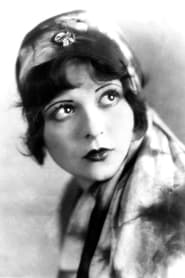
This was one of Dorothy Arzner's early directorial efforts and showcased her ability to handle both dramatic and comedic elements. The film was produced during the challenging transition from silent to sound cinema, requiring actors to adapt to new recording technologies. Clara Bow, known as the 'It Girl,' was at the peak of her popularity, though her Brooklyn accent initially posed challenges for sound recording. The production team had to work around early sound equipment limitations, which restricted camera movement and required actors to remain relatively stationary during dialogue scenes.
Themes
Gender roles and double standardsReputation and gossipMoral growth and redemptionEducation vs. social lifeThe transition to adulthood
Themes & topics
collegeprofessorpartygossipreputationflappercoming of ageromancescandalredemption1920ssound filmfemale directorJazz Age
Historical background
The Wild Party (1929) circulated in the silent era. Released by Paramount Pictures, it is known as Bow's first talkie. Contemporary trade papers and later preservation notes document its place among nickelodeon and cinema-club programs.
Why this film matters
The Wild Party remains accessible to researchers and viewers as a screen title in museum, archive, and streaming collections. Released by Paramount Pictures, it is known as Bow's first talkie.
Making of
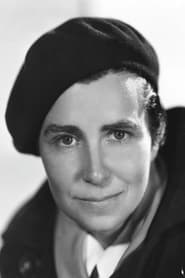
Dorothy Arzner faced significant challenges as a female director in male-dominated Hollywood. During filming, she had to assert her authority constantly, particularly with male crew members who were initially resistant to taking direction from a woman. Clara Bow struggled with the transition to sound, suffering from microphone anxiety that required multiple takes for some scenes. The production utilized early sound-on-film technology, which was cumbersome and limited the actors' mobility. Arzner worked closely with the sound engineers to develop techniques that would allow for more natural performances. The film's college setting was created on Paramount's backlot, with attention to period detail in costumes and props to reflect 1920s campus life. There were tensions on set between Bow and March initially, as March was intimidated by Bow's superstar status, but they eventually developed a professional rapport that translated to their on-screen chemistry.
What critics said
Day-one reviews for The Wild Party are sparse in digitized press archives; later criticism treats it as a reference point for 1929 cinema programming and preservation.
Did you know?
- Dorothy Arzner was the only woman director working in Hollywood during the late 1920s and early 1930s
- This was Clara Bow's first sound film, testing whether her silent film popularity would translate to talkies
- The film was originally titled 'The Wild Party' but was briefly changed to 'The Party Girl' before reverting to the original title
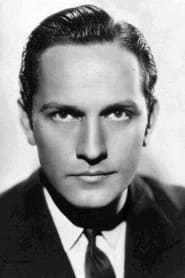
- Fredric March was relatively unknown at the time, and this film helped launch his leading man career
- The movie was filmed in just 24 days, typical for the rapid production schedules of the era
- Paramount was initially hesitant about Arzner directing due to her gender, but relented after she proved herself on previous projects
- The film's theme of college life and student-teacher relationships was considered controversial for 1929
- Clara Bow's real-life reputation as a party girl was heavily leveraged in the film's marketing
- The bar scenes were carefully censored to comply with the Hays Code, which was beginning to be enforced
- Dorothy Arzner invented the first boom microphone during this period to improve sound quality on her sets
Visual style
The film's cinematography by Charles Lang reflects the technical constraints and aesthetic of early sound cinema. The camera work is relatively static compared to silent films, as early sound recording equipment limited mobility. Lang employed careful lighting techniques to compensate for the less sensitive film stock required for sound recording, creating dramatic contrasts that enhanced the emotional tone of key scenes. The party sequences utilize more dynamic camera angles and movement, suggesting the energy and chaos of college social life. Lang's use of close-ups, particularly on Clara Bow, helped convey emotion in ways that silent film acting couldn't achieve. The cinematography effectively captures the Art Deco influences in set design and the fashionable clothing of the flapper era, creating a visually authentic representation of 1920s college life.
Innovations
The Wild Party showcased several technical innovations for its time, particularly in sound recording. Dorothy Arzner pioneered the use of what would become the boom microphone during this period, allowing for greater flexibility in actor movement and more natural sound capture. The film employed early sound-on-film technology rather than the competing sound-on-disc systems, which provided better synchronization between picture and audio. The production team developed techniques to minimize the visual intrusion of microphones, using creative set design and camera angles to hide recording equipment. The film's successful integration of music, dialogue, and sound effects demonstrated the growing sophistication of sound cinema in 1929. These technical achievements were particularly impressive given that the film was made less than two years after the first feature-length talkie revolutionized the industry.
Music
The Wild Party featured a musical score by John Leipold, Paramount's house composer, who specialized in early sound film music. The soundtrack incorporated popular jazz tunes of the era, reflecting the film's party atmosphere and youthful energy. As an early talkie, the film utilized synchronized music and sound effects, with some scenes featuring diegetic music from radios or live performances at the parties. The sound quality was typical of 1929 productions, with occasional technical limitations including some background hiss and limited dynamic range. The film's theme music was later released as sheet music, capitalizing on the movie's popularity. The sound design included innovative uses of ambient noise to create realistic party atmospheres, though these had to be carefully balanced with dialogue recording challenges of the period.
Famous quotes
Stella Ames: 'I don't want to be good, I want to be interesting!'
Professor Gilmore: 'Education isn't just about books, it's about character.'
Stella: 'A girl's got to have fun, professor. That's what college is for!'
Professor Gilmore: 'Your reputation is something you earn, not something you're given.'
Stella: 'Maybe I'm not the kind of girl you think I am.'
Memorable scenes
- The wild party sequence where Stella and her friends dance to jazz music, showcasing the energy and rebellion of the flapper era
- The bar confrontation scene where Professor Gilmore rescues Stella from trouble, establishing their complex relationship
- The climactic scene where Stella protects another student from scandal, proving her moral growth and earning respect
- The classroom scenes where the tension between Stella and Professor Gilmore is palpable despite their professional relationship
- The final confrontation where gossip is addressed and truths are revealed, resolving the film's central conflicts
What audiences thought
Audiences in 1929 responded enthusiastically to The Wild Party, drawn primarily by Clara Bow's immense popularity and the novelty of hearing her speak on screen. The film performed well at the box office, particularly in urban areas where college life and flapper culture resonated with young viewers. Many audience members appreciated the film's mix of comedy, drama, and romance, which was typical of the era's entertainment preferences. The party sequences and jazz music elements were especially popular, capturing the spirit of the age. However, some more conservative viewers found the film's themes slightly scandalous, particularly the suggestion of impropriety between a student and professor. Despite these concerns, the film's ultimate moral resolution satisfied most viewers, and it helped cement Bow's status as a viable sound-era star.
Film connections
Influenced by
- The 'flapper' films of the late 1920s
- College campus comedies popular in the silent era
- The works of Ernst Lubitsch for their sophisticated social commentary
- Contemporary newspaper stories about college life scandals
- The broader cultural fascination with youth culture in the Roaring Twenties
This film influenced
- College films of the 1930s
- Later Dorothy Arzner films dealing with strong female protagonists
- The 'bad girl with a heart of gold' trope in subsequent films
- Academic romance films of the sound era
Film restoration
The Wild Party survives in its complete form and has been preserved by the UCLA Film and Television Archive. A 35mm nitrate copy exists in the Paramount vaults, and the film has been transferred to safety stock. While not widely available on home video, copies circulate among film archives and classic film enthusiasts. The picture quality is generally good for a film of its age, though some deterioration is evident in existing prints. The soundtrack has been digitally restored, preserving the early sound recording quality. The film is occasionally screened at classic film festivals and retrospectives focusing on Dorothy Arzner's work or early sound cinema.
Where to watch
- The film is occasionally broadcast on Turner Classic Movies (TCM)
- Available through some film archive collections for research purposes
- Screenings at classic film festivals and museums
- Not currently available on major streaming platforms
- May be accessed through specialized classic film rental services