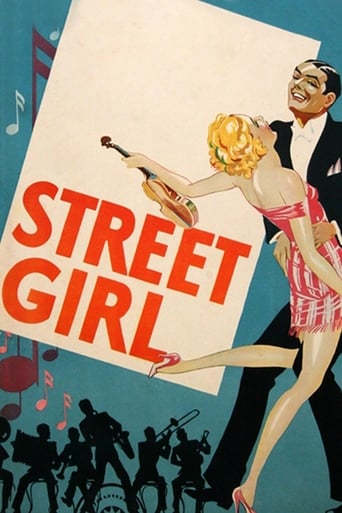
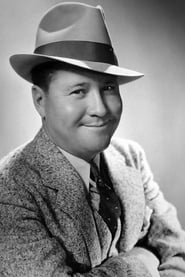
Jack Oakie
Actor
Born: November 12, 1903 in Oklahoma City, Oklahoma, USA Died: January 23, 1978 Active: 1927-1966 Birth Name: Lewis Delaney Offield
Films
3 films
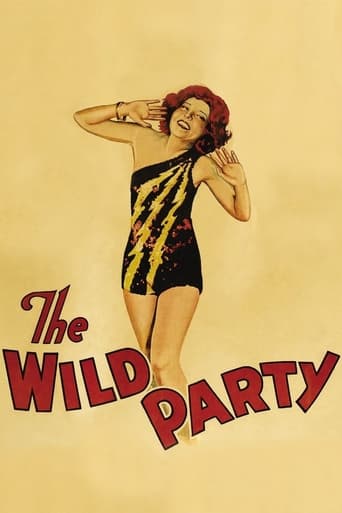
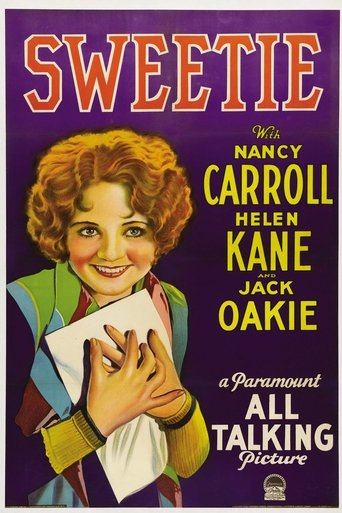
About Jack Oakie
Jack Oakie, born Lewis Delaney Offield, was a prominent American actor who rose to fame during Hollywood's Golden Age, particularly known for his comic roles and distinctive personality. He began his career in silent films and successfully transitioned to talkies, signing with Paramount Pictures in 1929 where he developed his signature style of rapid-fire delivery and expressive performances. Oakie's most acclaimed role came in 1940 when he played Benzino Napaloni, a parody of Italian dictator Benito Mussolini, in Charlie Chaplin's 'The Great Dictator,' earning him an Academy Award nomination for Best Supporting Actor. Throughout his prolific career, he appeared in over 80 films, working with directors like Chaplin, Frank Capra, and Preston Sturges, often playing charismatic supporting characters in both comedies and dramas. During World War II, he dedicated himself to entertaining troops, earning recognition for his patriotic service. After retiring from films in the 1950s, he made occasional television appearances and was honored with a star on the Hollywood Walk of Fame in 1960. His contributions to cinema were further recognized with a special Academy Award for his 'unique talents and his contributions to the art of motion pictures.'
The Craft
On Screen
Jack Oakie was known for his energetic, larger-than-life comedic performances characterized by rapid-fire delivery, expressive facial features, and a distinctive booming voice. He excelled at playing charismatic, often bombastic characters with a natural charm and wit, using his imposing physical presence and timing to create memorable comedic moments. His style blended physical comedy with sharp verbal wit, making him equally effective in both slapstick situations and more sophisticated comedies.
Milestones
- Signed with Paramount Pictures in 1929
- Academy Award nomination for 'The Great Dictator' (1940)
- Entertained troops during World War II
- Received special Academy Award for unique talents (1960)
- Star on Hollywood Walk of Fame (1960)
- Appeared in over 80 films throughout his career
Best Known For
Iconic Roles
Must-See Films
Accolades
Won
- Special Academy Award for unique talents and contributions to motion pictures (1960)
Nominated
- Academy Award nomination for Best Supporting Actor for 'The Great Dictator' (1940)
Special Recognition
- Star on Hollywood Walk of Fame (1960)
- Service Medal for WWII entertainment tours
Working Relationships
Worked Often With
Studios
Why They Matter
Impact on Culture
Jack Oakie made significant contributions to American cinema, particularly in the realm of comedy during Hollywood's Golden Age. His portrayal of Benzino Napaloni in 'The Great Dictator' was in its satirical approach to political figures, demonstrating how comedy could be used for social commentary. His work helped establish the template for the charismatic supporting character in comedy films, influencing generations of actors who followed. Oakie's ability to blend physical comedy with verbal wit set a standard for comedic performance that continues to be studied and emulated.
Lasting Legacy
Jack Oakie's legacy endures as one of Hollywood's most beloved character actors, remembered for his infectious energy and memorable comedic performances. His Academy Award-nominated role in 'The Great Dictator' remains a landmark in cinema history, showcasing how comedy could effectively parody political figures. The Jack Oakie and Victoria Horne Oakie Charitable Foundation continues his philanthropic work, supporting various causes including scholarships for aspiring actors. His films continue to be celebrated on classic movie channels and film festivals, introducing new generations to his unique talent.
Who They Inspired
Oakie's distinctive comedic style influenced numerous actors who followed, particularly in the realm of character comedy. His timing and delivery techniques were studied by performers like Jack Lemmon and Walter Matthau. His ability to play both comedic and dramatic roles demonstrated the versatility required of character actors, setting a standard for performers in supporting roles. His work in satirical comedy paved the way for later performers who used comedy as social commentary.
Off Screen
Jack Oakie was married twice, first to actress Venita Varden from 1936 until her death in 1960, and later to actress Victoria Horne from 1966 until his death. He had no children but was known for his philanthropic work and support of various charitable organizations. During World War II, he dedicated himself to entertaining troops, participating in numerous USO tours and earning recognition for his patriotic service.
Education
Attended the University of Washington but left before graduating to pursue acting career
Family
- Venita Varden (1936-1960)
- Victoria Horne (1966-1978)
Did You Know?
- His stage name 'Oakie' came from the Oakie theater in his hometown
- He was originally a baseball player before turning to acting
- He served in the US Navy during World War I before his acting career
- His role in 'The Great Dictator' was so convincing that Italian officials protested the film
- He was a close friend of Charlie Chaplin, who personally cast him in 'The Great Dictator'
- He appeared in seven films with Bing Crosby
- He was known for his extensive collection of classic automobiles
- He was an accomplished amateur photographer
- His second wife Victoria Horne appeared in several films with him
- He was one of the first actors to successfully transition from silent films to talkies
In Their Own Words
I'm not a star. I'm a character actor. Stars are a dime a dozen. Character actors are rare.
Comedy is serious business. You have to work twice as hard to make people laugh as to make them cry.
The secret to comedy is timing, and the secret to timing is knowing when not to speak.
I never played a lead role, but I never wanted one. I was happy being the guy who made the star look good.
Frequently Asked Questions
Who was Jack Oakie?
American with credits in this catalog.' He appeared in over 80 films and was renowned for his energetic comedic style and distinctive voice.
What films is Jack Oakie best known for?
Titles linked here include The Great Dictator (1940), If I Had a Million (1932).
When was Jack Oakie born and when did he die?
Born November 12, 1903; died January 23, 1978.
What awards did Jack Oakie win?
Jack Oakie received an Academy Award nomination for Best Supporting Actor for 'The Great Dictator' (1940) and later received a special Academy Award in 1960 for his unique talents and contributions to motion pictures. He also earned a star on the Hollywood Walk of Fame.
What was Jack Oakie's acting style?
Jack Oakie's acting style was characterized by energetic, larger-than-life comedic performances with rapid-fire delivery, expressive facial features, and a distinctive booming voice. He excelled at playing charismatic, often bombastic characters with natural charm and wit.
How did Jack Oakie get his stage name?
Jack Oakie adopted his stage name from the Oakie theater in his hometown, which was a significant influence on his early interest in acting. His birth name was Lewis Delaney Offield.
What was Jack Oakie's most famous role?
Jack Oakie's most famous role was Benzino Napaloni, a parody of Italian dictator Benito Mussolini, in Charlie Chaplin's 'The Great Dictator' (1940). This performance earned him an Academy Award nomination and remains his most work.
Did Jack Oakie serve in the military?
Yes, Jack Oakie served in the US Navy during World War I before his acting career began. During World War II, he dedicated himself to entertaining troops through numerous USO tours, earning recognition for his patriotic service.