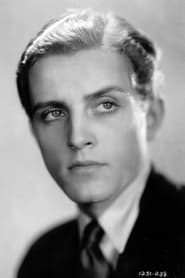
Phillips Holmes
Actor
Born: July 22, 1907 in Grand Rapids, Michigan, USA Died: August 12, 1942 Active: 1928-1942
Films
2 films
About Phillips Holmes
Promising American actor who rose to prominence during the transition from silent films to talkies in the late 1920s and early 1930s. Born into a literary family as the son of renowned poet Edgar Lee Holmes, he initially pursued a career in journalism before turning to acting. Holmes made his film debut in 1928 and quickly gained attention for his handsome appearance and natural acting style, which adapted well to the new sound era. He signed with Paramount Pictures and became one of their promising young leading men, starring in films like 'The Wild Party' (1929), 'The Virginian' (1929), and 'An American Tragedy' (1931). His career peaked in the early 1930s with notable performances in both dramatic and romantic roles. Holmes also found success in European cinema, particularly in Germany where he worked with director G.W. Pabst. His promising career was cut short when he joined the Royal Canadian Air Force during World War II and died in a training accident in 1942 at the age of 35.
The Craft
On Screen
Holmes possessed a naturalistic acting style that translated well from silent films to talkies. He was known for his understated performances, avoiding the exaggerated gestures common in silent cinema. His screen presence combined boyish charm with a serious dramatic intensity, making him particularly effective in romantic and dramatic roles. Critics praised his ability to convey complex emotions subtly, and his clear, well-modulated voice made him an ideal candidate for sound films.
Milestones
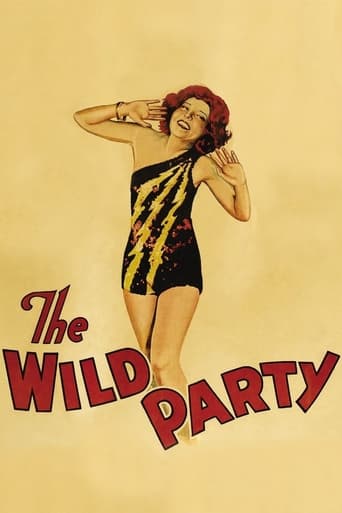
- Film debut in 'The Wild Party' (1929)
- Breakthrough role in 'The Virginian' (1929)
- Critical acclaim for 'An American Tragedy' (1931)
- European success with G.W. Pabst in 'The Threepenny Opera' (1931)
- Leading man status at Paramount Pictures
- Transition from silent films to talkies
Best Known For
Iconic Roles
Must-See Films
Accolades
Special Recognition
- Star on the Hollywood Walk of Fame (located at 6549 Hollywood Blvd)
Working Relationships
Worked Often With
Studios
Why They Matter
Impact on Culture
Phillips Holmes represented the new generation of actors who successfully transitioned from silent films to talkies, embodying the sophisticated, naturalistic style that would dominate 1930s cinema. His work in both American and European films helped bridge the cultural gap between Hollywood and European cinema during the early sound era. Holmes was part of the group of actors who defined the leading man archetype in early sound films, combining physical attractiveness with emotional depth and intelligence.
Lasting Legacy
Though his career was tragically cut short, Phillips Holmes is remembered as. His performances in films like 'An American Tragedy' are studied by film scholars for their naturalistic approach to acting in the early sound era. Holmes' decision to serve in World War II and subsequent death made him part of Hollywood's wartime legacy, alongside other actors like Leslie Howard who sacrificed their careers for the war effort. His work with European directors, particularly G.W. Pabst, demonstrated the international nature of cinema during this period.
Who They Inspired
Holmes influenced the next generation of actors through his naturalistic acting style, which moved away from the theatricality of silent film performance. His ability to work successfully in both American and European cinema paved the way for other actors to pursue international careers. His subtle, emotionally restrained approach to performance influenced the development of method acting techniques that would emerge in the following decade.
Off Screen
Phillips Holmes came from a literary family; his father was Pulitzer Prize-winning poet Edgar Lee Holmes. He was known for his intelligence and cultured demeanor, speaking multiple languages fluently. Holmes was romantically linked to several Hollywood actresses but never married. He was an accomplished aviator and owned his own plane. His life was marked by his decision to leave a successful acting career to serve in World War II, demonstrating his patriotism and sense of duty.
Education
Yale University (attended but did not graduate), Trinity College, Cambridge (studied briefly)
Did You Know?
- Was the son of Pulitzer Prize-winning poet Edgar Lee Holmes
- Spoke fluent French and German, which helped his European film career
- Was an accomplished pilot who owned his own aircraft
- Left a thriving career to enlist in the Royal Canadian Air Force during WWII
- Died in a mid-air collision during a training flight in Ontario, Canada
- Was originally considered for the role that eventually went to Clark Gable in 'Red Dust' (1932)
- Worked with legendary German director G.W. Pabst in 'The Threepenny Opera'
- Was one of the few American actors to have significant success in German cinema during the early 1930s
- His death came just before what could have been his comeback to Hollywood films
- Was romantically linked to several Hollywood stars including Clara Bow and Kay Francis
In Their Own Words
I'd rather be a good pilot than a good actor. Acting is a profession, but flying is an art.
The transition from silent to sound pictures wasn't as difficult for me as for some. I always believed in natural acting.
Working in Europe taught me that cinema is truly an international language.
Frequently Asked Questions
Who was Phillips Holmes?
American with credits in this catalog. He was known for his naturalistic acting style and successful career in both Hollywood and European cinema before his death in World War II.
What films is Phillips Holmes best known for?
Titles linked here include The Wild Party (1929), The Virginian (1929).
When was Phillips Holmes born and when did he die?
Born July 22, 1907; died August 12, 1942.
What awards did Phillips Holmes win?
While Phillips Holmes did not win major acting awards during his lifetime, he received a star on the Hollywood Walk of Fame posthumously in recognition of his contributions to cinema. His performances were critically acclaimed, particularly in 'An American Tragedy'.
What was Phillips Holmes' acting style?
Holmes was known for his naturalistic and understated acting style that adapted well to sound films. He avoided the exaggerated gestures of silent cinema and instead focused on subtle emotional expression, making him particularly effective in dramatic and romantic roles.
How did Phillips Holmes die?
Holmes died at age 35 in a mid-air collision during a training flight with the Royal Canadian Air Force in Ontario, Canada. He had left his successful acting career to serve in World War II.
Did Phillips Holmes work in European cinema?
Yes, Holmes had significant success in European cinema, particularly in Germany where he worked with acclaimed director G.W. Pabst. His most notable European film was 'The Threepenny Opera' (1931), where he played the lead role of Macheath.