Clara Bow
Actor
Born: July 29, 1905 in Brooklyn, New York, USA Died: September 27, 1965 Active: 1921-1933 Birth Name: Clara Gordon Bow
Films
18 films

Down to the Sea in Ships
1922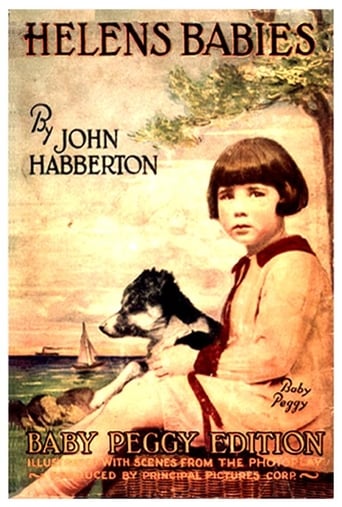
Helen's Babies
1924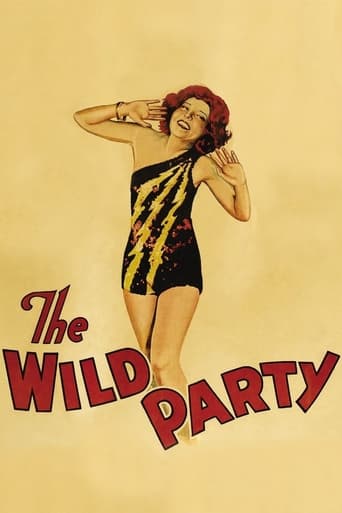
The Wild Party
1929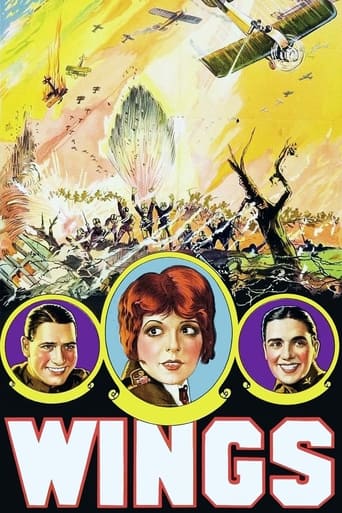
Wings
1927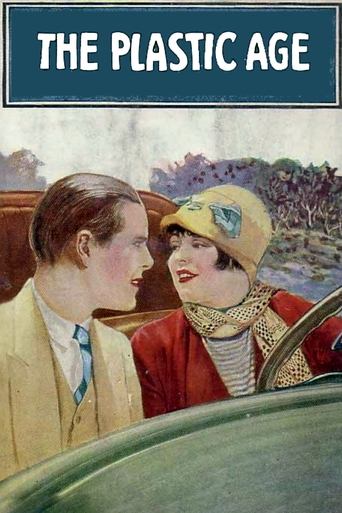
The Plastic Age
1925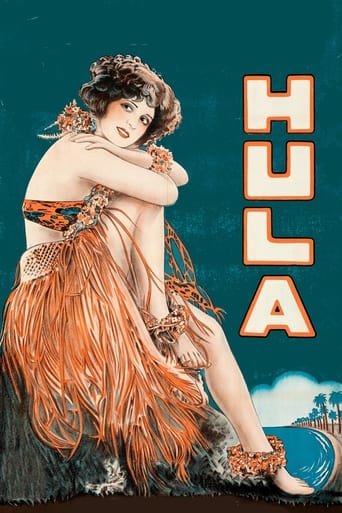
Hula
1927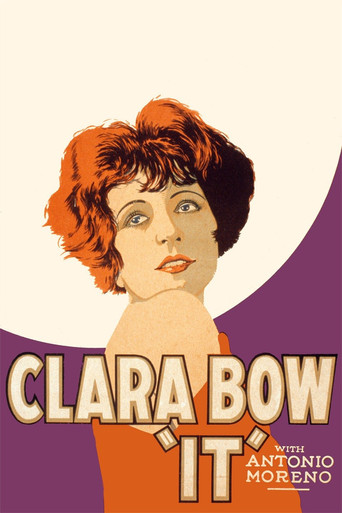
It
1927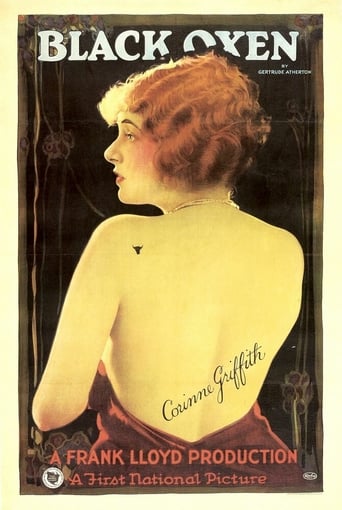
Black Oxen
1923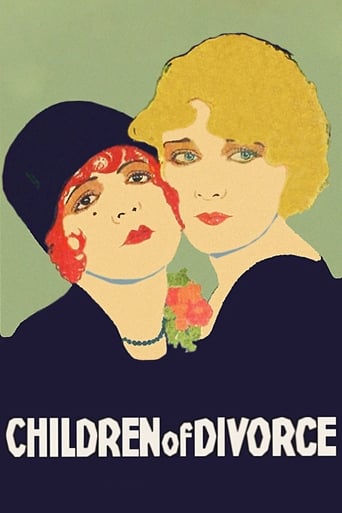
Children of Divorce
1927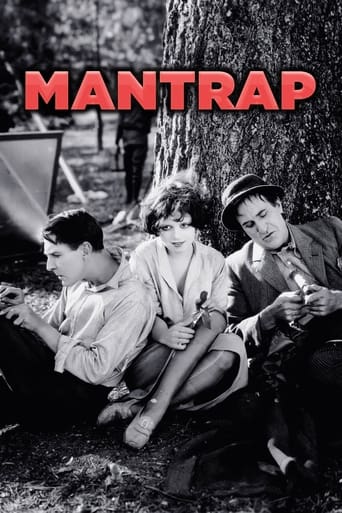
Mantrap
1926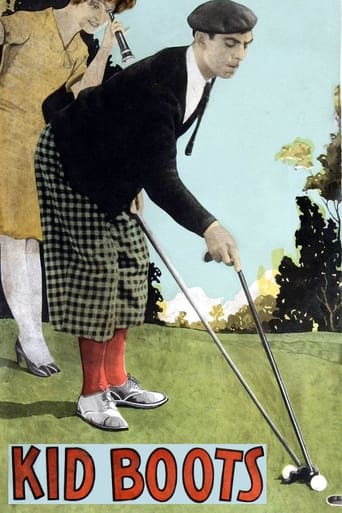
Kid Boots
1926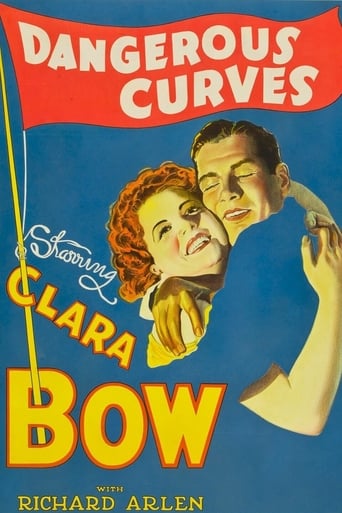
Dangerous Curves
1929
Get Your Man
1927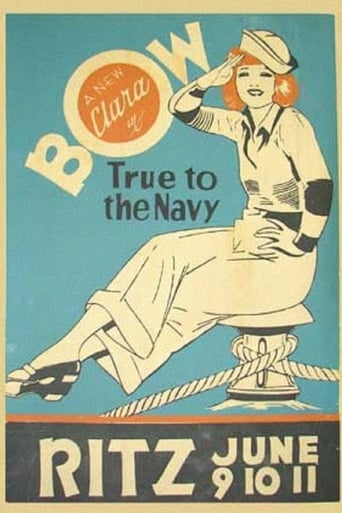
True to the Navy
1930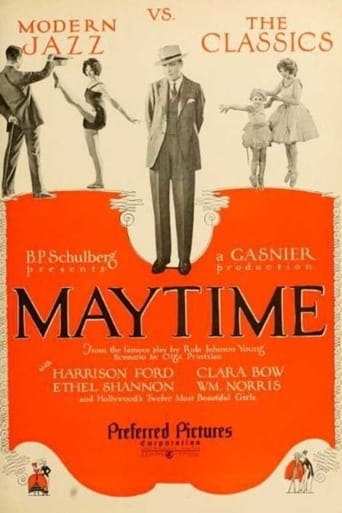
Maytime
1923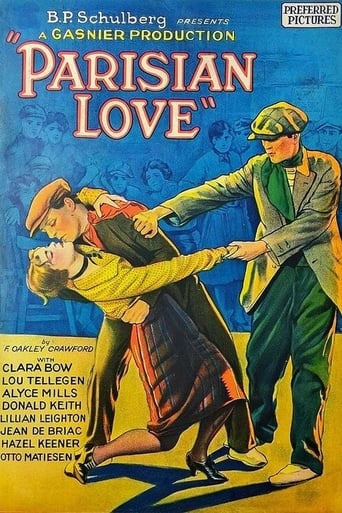
Parisian Love
1925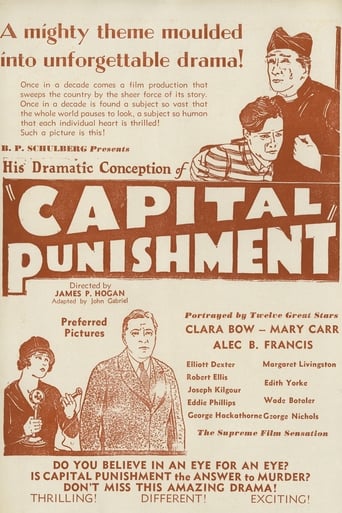
Capital Punishment
1925About Clara Bow
Clara Bow, born in Brooklyn to a poverty-stricken family, rose from a traumatic childhood to become stars of the silent era. Discovered after winning a Fame and Fortune magazine contest in 1921, she quickly caught the attention of Hollywood directors with her natural charisma and screen presence. Her breakthrough came with 'The Plastic Age' (1925), which established her as a box office draw, but it was her starring role in 'It' (1927) that cemented her status as 'The It Girl,' defining the modern, liberated flapper of the Roaring Twenties. Bow appeared in 58 films between 1922 and 1933, with her peak years at Paramount Pictures where she commanded salaries of $7,500 per week. Despite her success, she struggled with the transition to sound films due to her thick Brooklyn accent and persistent mental health issues stemming from her abusive upbringing. After marrying actor Rex Bell in 1931, she gradually retired from acting, making her final film appearance in 1933. Bow spent her later years in relative seclusion at her Nevada ranch, battling schizophrenia until her death from a heart attack at age 60.
The Craft
On Screen
Clara Bow's acting style was characterized by her natural, uninhibited, and energetic performances that perfectly embodied the Jazz Age spirit. She possessed a unique ability to convey emotion through her expressive eyes and dynamic physicality, making her ideal for the silent medium. Unlike many contemporaries who relied on theatrical gestures, Bow brought a modern, spontaneous quality to her roles that resonated with young audiences. Her performances often featured a combination of playful flirtation, emotional vulnerability, and underlying toughness that made her characters relatable and authentic. In talkies, despite her Brooklyn accent, she maintained her screen presence through her distinctive voice delivery and continued emotional authenticity.
Milestones
- Won Fame and Fortune contest (1921)
- Signed with Preferred Pictures (1923)
- Breakthrough role in 'The Plastic Age' (1925)
- Starred in 'It' earning the nickname 'The It Girl' (1927)
- Highest-paid star in Hollywood earning $7,500/week (1928)
- Successfully transitioned to talkies with 'The Wild Party' (1929)
- Retired from acting after marrying Rex Bell (1933)
Best Known For
Iconic Roles
Must-See Films
Accolades
Won
- Photoplay Magazine Medal of Honor (1928)
Nominated
Special Recognition
- Hollywood Walk of Fame star (1960)
- AFI's Greatest Screen Legends - Nominated (1999)
- Inducted into the International Best Dressed List Hall of Fame (1927)
Working Relationships
Worked Often With
Studios
Why They Matter
Impact on Culture
Clara Bow fundamentally shaped the image of the modern woman in the 1920s, embodying the liberated, independent flapper who rejected Victorian constraints. Her portrayal of sexually confident yet emotionally vulnerable characters helped redefine female sexuality in American cinema, making it acceptable for women to express desire and ambition. Bow's influence extended beyond film into fashion, popularizing the bob haircut, cloche hats, and shorter hemlines that became synonymous with the Jazz Age. She represented the American Dream for millions of working-class girls, proving that talent and charisma could overcome humble origins. Her natural acting style influenced a generation of performers, moving cinema away from theatrical gestures toward more realistic expressions of emotion.
Lasting Legacy
Clara Bow remains. Despite her relatively short career, she made 58 films and was one of the highest-paid stars of her era, earning up to $7,500 per week at her peak. Her films continue to be studied by film historians and screened at classic film festivals, with 'Wings' (1927) remaining notable as the first film to win the Academy Award for Best Picture. Bow's story has inspired numerous biographies and documentaries, highlighting her triumph over adversity and her impact on changing social mores. The Clara Bow Collection at the Academy Film Archive preserves many of her films, ensuring her contributions to cinema history are not forgotten.
Who They Inspired
Clara Bow's naturalistic acting style directly influenced the transition from theatrical to realistic performances in Hollywood cinema. Her success proved that audiences responded to authentic emotion rather than exaggerated gestures, paving the way for more subtle acting techniques in sound films. Bow's portrayal of sexually confident women helped break down censorship barriers and expanded the range of acceptable female roles in American cinema. Her influence can be seen in later stars like Marilyn Monroe, who similarly combined sex appeal with vulnerability, and in contemporary actresses who embrace the 'girl next door' persona with underlying strength. Bow's business acumen in negotiating her contracts also set precedents for actors' rights and compensation in Hollywood.
Off Screen
Clara Bow's personal life was marked by tragedy and turmoil, beginning with her abusive childhood in Brooklyn where her mother suffered from mental illness and once tried to murder her. She had two significant marriages: first to actor Rex Bell in 1931, with whom she had two sons, and later to a ranch hand after Bell's death. Bow suffered from severe mental health issues, including schizophrenia, which led to multiple suicide attempts and institutionalizations. Despite her glamorous screen image, she was deeply insecure about her lack of education and working-class background. Her later years were spent in relative isolation at her Nevada ranch, where she found some peace away from Hollywood's pressures and media scrutiny.
Education
Attended PS 111 and PS 9 in Brooklyn; dropped out of school at age 13 to work and support her family; had little formal education but was an avid reader throughout her life
Family
- Rex Bell (1931-1962, until his death)
- Louis Arthur (1962-1965, until her death)
Did You Know?
- Was the first actress to be called 'The It Girl' after starring in the film 'It' (1927)
- Had a phobia of thunderstorms throughout her life
- Was left-handed but was forced to write with her right hand in school
- Her mother once tried to kill her with a butcher knife during a psychotic episode
- Owned 26 automobiles at the height of her fame
- Had a pet monkey named Chink who appeared in some of her films
- Was discovered through a magazine contest where she won a small role in a film
- Suffered from insomnia and often worked 18-hour days during her peak years
- Was the first actress to earn $1 million in a single year
- Her Brooklyn accent made the transition to talkies difficult, though she still appeared in several successful sound films
- Had a nervous breakdown in 1930 that temporarily halted her career
- Was an avid reader who owned over 2,000 books in her personal library
- Never won an Academy Award despite being one of the biggest stars of her era
- Was investigated by the IRS for tax evasion in the 1940s
- Her ranch in Nevada was called 'Walking Box Ranch' and spanned 40,000 acres
In Their Own Words
I'm Clara Bow and I'm here to stay!
Hollywood is a place where they'll pay you a thousand dollars for a kiss and fifty cents for your soul.
I hate that word 'retire.' I'm not retiring. I'm just quitting.
I was a misfit. I never knew what to do with my hands or my feet.
The more I see of men, the more I like dogs.
I'm not a sex symbol. I'm a sex symbol for men who have sex symbols.
I don't want to be remembered as a pretty face. I want to be remembered as a good actress.
Fame is fickle and I know it. I'm not going to let it go to my head.
I've been a star for years, but I've never been a person.
I was born at the wrong time. I should have been born in the 1970s.
Frequently Asked Questions
Who was Clara Bow?
Clara Bow was.' She embodied the liberated, modern flapper of the Roaring Twenties and was one of Hollywood's biggest box office draws before retiring in the early 1930s.
When was Clara Bow born and when did she die?
Born July 29, 1905; died September 27, 1965.
What awards did Clara Bow win?
Clara Bow received the Photoplay Magazine Medal of Honor in 1928 and was nominated for various accolades during her career. She received a star on the Hollywood Walk of Fame in 1960 and was later nominated for AFI's Greatest Screen Legends list in 1999.
What was Clara Bow's acting style?
Clara Bow's acting style was natural, energetic, and emotionally authentic, perfectly suited for silent films. She brought a modern, spontaneous quality to her performances that embodied the Jazz Age spirit, using expressive eyes and dynamic physicality rather than theatrical gestures.
Why did Clara Bow retire so early?
Clara Bow retired in 1933 at age 28 due to a combination of factors: difficulty transitioning to talkies with her Brooklyn accent, persistent mental health issues including schizophrenia, media scandals, and her marriage to Rex Bell. She chose to focus on her family life at their Nevada ranch rather than continue in Hollywood.
What was Clara Bow's childhood like?
Clara Bow had an extremely difficult childhood in Brooklyn, born into poverty with an abusive mother who suffered from mental illness and once tried to kill her. She dropped out of school at 13 to work and support her family, escaping her troubled home life through movies and eventually winning a contest that launched her Hollywood career.
How did Clara Bow influence fashion and culture?
Major fashion and cultural icon of the 1920s, popularizing the bob haircut, cloche hats, and shorter hemlines. She embodied the liberated flapper lifestyle and helped redefine female sexuality in American cinema, making it acceptable for women to be both sexually confident and emotionally vulnerable on screen.