
Helen's Babies
"Caught between never and doesn't"
Keys: Space play/pause · ←/→ 10s · F fullscreen · M mute · </> speed
About this film
A young man, who has vowed never to marry and doesn't particularly like children, is left in charge of his two very young nieces. At first they drive him to distraction, but then he begins to warm to them, and also to a beautiful young local girl.
Cast & crew
More films like this
More Comedy films
View all →







More from William A. Seiter
View all →


More about this film
About the production
Release dateSeptember 15, 1924
Box officeUnknown
ProductionUniversal Pictures
Filmed inUniversal Studios, Universal City, California
The film was based on the popular 1876 novel 'Helen's Babies' by John Habberton, which had been a bestseller for decades. The production faced the typical challenges of working with very young child actors during the silent era, requiring careful scheduling and patience from the cast and crew. Universal Pictures was capitalizing on Baby Peggy's immense popularity as one of the highest-paid child stars of the 1920s.
Themes
Redemption through loveThe transformative power of childrenBachelorhood vs. family lifeUnexpected responsibilityPersonal growth
Themes & topics
Historical background
Contemporary records classify Helen's Babies (1924) as 1924 film by william a. seiter, placing it within late silent cinema and the transition toward sound.
Why this film matters
Helen's Babies (1924) helps trace genre evolution, performer careers, and the material conditions of silent exhibition.
Making of
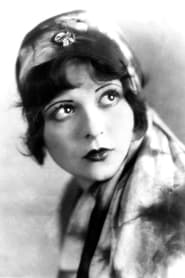
The production of 'Helen's Babies' took place during the height of Baby Peggy's stardom, when Universal Pictures was actively trying to capitalize on her box office appeal. Working with child actors in the silent era presented unique challenges, as directors had to communicate emotions and actions without verbal cues. The film required extensive patience from the entire cast and crew, particularly during scenes with the very young performers. Clara Bow, though not yet the superstar she would become, was already developing her screen persona and natural acting style that would later make her famous. The adaptation process from the 19th-century novel to a 1920s film required updating certain elements while maintaining the core story's appeal to contemporary audiences.
What critics said
Retrospective notes on Helen's Babies emphasize its value as a transitional sound-era artifact rather than blockbuster reception.
Did you know?
- Baby Peggy (Peggy-Jean Montgomery) was one of the biggest child stars of the 1920s, earning an impressive $1.5 million during her career
- This film was made during Clara Bow's early career, just two years before she would become the 'It Girl' and a major star
- The source novel by John Habberton was first published in 1876 and remained popular for nearly 50 years before this film adaptation
- Edward Everett Horton, who played the bachelor lead, would go on to have a long career as a character actor, known for his distinctive comic timing
- The film was released during the peak of the silent era, just a few years before the transition to sound would revolutionize Hollywood
- Baby Peggy was only 6 years old when this film was made, yet she was already a veteran of dozens of films
- Universal Pictures was one of the major studios of the era, known for producing both prestigious films and popular comedies
- The film's theme of a bachelor being tamed by children was a popular trope in silent comedy
- Director William A. Seiter would go on to direct many successful films in the sound era, including several Shirley Temple movies
- The original novel was considered somewhat controversial in its time for its realistic portrayal of children's behavior
Visual style
The cinematography of 'Helen's Babies' was typical of mid-1920s Universal productions, featuring clear, bright lighting that emphasized the film's comedic and family-friendly nature. The camera work was straightforward and functional, focusing on capturing the performances, particularly those of the child actors. The film utilized the standard aspect ratio and film stock of the period. Visual storytelling relied heavily on intertitles and expressive performances from the cast. The photography was designed to be unobtrusive, allowing the comedy and character interactions to take center stage without excessive technical flourishes.
Innovations
While 'Helen's Babies' was not groundbreaking in terms of technical innovation, it represented the solid craftsmanship typical of Universal Pictures' productions in the mid-1920s. The film demonstrated the industry's growing sophistication in working with child actors, employing techniques to capture natural performances from very young performers. The editing was smooth and helped maintain the film's comedic pacing. The production values were consistent with Universal's reputation for delivering quality entertainment on reasonable budgets. The film's success in telling its story effectively within the technical limitations of the era showcased the mastery that Hollywood had achieved in silent filmmaking by this period.
Music
As a silent film, 'Helen's Babies' would have been accompanied by live musical performances during its theatrical run. The typical score would have been provided by a theater's organist or small orchestra, playing popular pieces of the era along with classical selections that matched the on-screen action. The music would have been synchronized to enhance the comedic moments and underscore the emotional beats of the story. No original composed score was created specifically for the film, as was common practice during this period. The musical accompaniment would have varied from theater to theater, with each venue's musicians interpreting the film's mood and pacing.
Famous quotes
I've sworn never to marry, and children... well, they're even worse!
These little terrors are going to be the death of me!
Perhaps I've been wrong about family life all along.
Memorable scenes
- The opening sequence where Tommy first receives the news that he must care for his nieces
- The chaotic breakfast scene where the children create havoc in the kitchen
- The tender moment when Tommy begins to bond with his young nieces
- The romantic meeting between Tommy and the local girl
- The climactic scene where Tommy must choose between his bachelor freedom and his new family
What audiences thought
Audiences in 1924 responded warmly to 'Helen's Babies,' particularly drawn by Baby Peggy's star power. The film performed well at the box office, benefiting from the public's fascination with child actors and family-oriented comedies. Moviegoers of the era appreciated the film's blend of humor and heartwarming moments, finding it suitable for all ages. The chemistry between the cast members was noted as a particular strength, with the interactions between the bachelor character and his mischievous nieces providing much of the entertainment value. The film's success helped reinforce Universal Pictures' strategy of building franchises around popular child stars.
Film connections
Influenced by
- The popular 1876 novel 'Helen's Babies' by John Habberton
- The tradition of domestic comedies in silent cinema
- The growing genre of films featuring child stars
- Earlier Universal Pictures family comedies
This film influenced
- Later child star vehicles throughout the 1920s and 1930s
- The Shirley Temple films of the 1930s
- Family comedies featuring unlikely guardians
- The 'bachelor tamed by children' trope in later films
Film restoration
The preservation status of 'Helen's Babies' (1924) is uncertain, which is common for films of this era. Many silent films have been lost due to the deterioration of nitrate film stock or deliberate destruction. While some sources suggest that copies may exist in film archives or private collections, there is no widely available restored version for public viewing. The film's survival status remains a subject of concern among silent film preservationists.
Where to watch
- Due to the uncertain preservation status of this film, it is not currently available on major streaming platforms or home video formats. Film enthusiasts interested in viewing 'Helen's Babies' may need to check with specialized film archives, silent film societies, or museums that might hold copies in their collections. Occasionally, rare silent films like this may be shown at special screenings or film festivals dedicated to cinema history.