John George
Actor
Born: January 20, 1885 in Aleppo, Ottoman Empire (now Syria) Died: August 25, 1944 Active: 1916-1939 Birth Name: Tufus Fehri George
Films
8 films

About John George
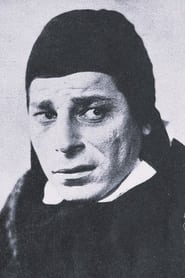
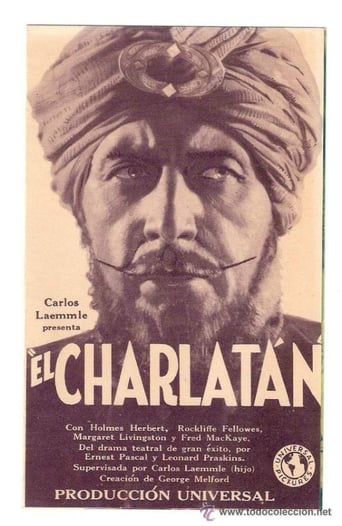
prolific character actor of the silent film era — known for his distinctive appearance and versatility in playing numerous ethnic types, particularly Middle Eastern, Asian, and Native American characters. Born in Syria, he immigrated to the United States and began his film career in the mid-1910s, quickly becoming one of Hollywood's most recognizable bit players. His piercing eyes, prominent nose, and ability to transform himself through makeup made him invaluable to directors seeking authentic-looking ethnic characters. George worked extensively with major directors of the era, including Tod Browning, Rex Ingram, and Erich von Stroheim, appearing in over 200 films during his career. Despite never achieving leading man status, his consistency and reliability made him a familiar face to movie audiences throughout the silent era and into the early sound period. His career declined with the advent of sound, as Hollywood began seeking actors with authentic ethnic backgrounds rather than Caucasians in makeup, but he continued working in smaller roles through the 1930s. George's legacy lies in his contribution to the visual texture of silent cinema, where his distinctive features helped create the diverse worlds that directors envisioned.
The Craft
On Screen
John George specialized in character acting using transformative makeup and physicality to portray various ethnicities. His acting relied heavily on facial expressions and body language typical of the silent era, using his distinctive features to create memorable characters. He employed exaggerated gestures and intense gazes to convey emotion and character traits, making him particularly effective in villainous or mysterious roles. George's versatility allowed him to play everything from exotic princes to common laborers, adapting his physical presence to suit each role's requirements.
Milestones
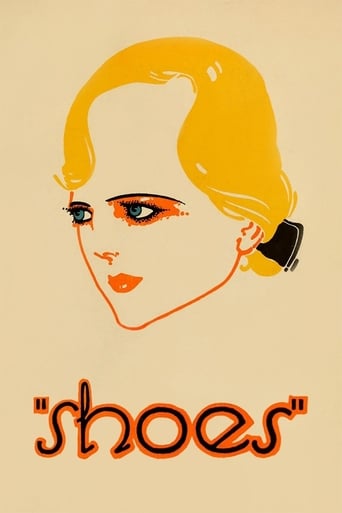
- Breakthrough role in 'Shoes' (1916) directed by Lois Weber
- Frequent collaboration with director Tod Browning
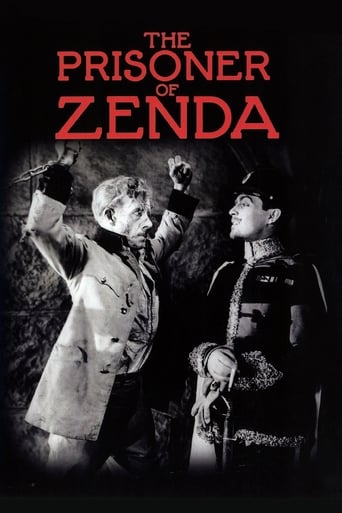
- Memorable appearance in 'The Prisoner of Zenda' (1922)
- Regular work in Universal horror films
- Transition to sound films in the early 1930s
Best Known For
Iconic Roles
Must-See Films
Accolades
Special Recognition
- Hollywood Walk of Fame Star (6364 Hollywood Boulevard)
Working Relationships
Worked Often With
Studios
Why They Matter
Impact on Culture
John George's career reflects both the opportunities and limitations faced by ethnic actors in early Hollywood. While his success as a character actor demonstrated the film industry's need for diverse visual types, it also highlighted the era's practice of casting actors in roles outside their actual ethnicity. His ability to transform himself through makeup and performance influenced the development of character acting techniques in silent cinema. George's extensive filmography provides a valuable record of how ethnic diversity was represented (or misrepresented) in early American cinema, making his work important for film historians studying racial representation in Hollywood.
Lasting Legacy
John George's legacy lies in his contribution to the visual richness of silent cinema and his role as one of Hollywood's earliest successful ethnic character actors. His extensive body of work, spanning over 200 films, shows the importance of character actors in creating believable film worlds. While modern audiences may view his ethnic portrayals critically, they remain important historical artifacts of early 20th-century filmmaking practices. His star on the Hollywood Walk of Fame ensures his contribution to cinema history is remembered, and his films continue to be studied by scholars interested in the evolution of character acting and ethnic representation in American film.
Who They Inspired
George influenced subsequent generations of character actors by demonstrating how distinctive physical features could be used to create memorable screen personas. His work with directors like Tod Browning helped establish techniques for creating atmospheric and mysterious characters through visual means. While his specific approach to ethnic roles is now viewed as problematic, his technical skills in makeup transformation and character development influenced later character actors who specialized in unusual or exotic roles. His career trajectory also provided a model for how bit players could sustain long careers through versatility and reliability.
Off Screen
John George immigrated to the United States from Syria in the early 1910s, settling in Los Angeles where he found work in the burgeoning film industry. He married actress and fellow Syrian immigrant Lila Lee in 1920, though the marriage ended in divorce. George was known to be a private individual who rarely gave interviews, preferring to let his work speak for itself. Despite his extensive filmography, he lived modestly and invested wisely, allowing him to weather the transition to sound films better than many character actors. He spent his later years away from the public eye, occasionally taking small roles until his death from heart disease in 1944.
Education
Limited formal education in Aleppo; self-taught in acting and makeup techniques
Family
- Lila Lee (1920-1928)
Did You Know?
- Born Tufus Fehri George in Aleppo, Ottoman Empire
- Appeared in over 200 films during his career
- Was a favorite of director Tod Browning, casting him in multiple films
- Often played characters much older than his actual age
- Master of makeup transformation, could convincingly play multiple ethnicities
- Worked with legendary horror actor Lon Chaney in several films
- His distinctive features made him
- Successfully transitioned to sound films, unlike many silent era character actors
- Never received a screen credit for many of his early roles
- Was known for his professionalism and reliability on set
- Spoke multiple languages, which helped him in various ethnic roles
- His final film appearance was in 'The Story of Vernon and Irene Castle' (1939)
In Their Own Words
Acting is not about being famous, it's about becoming someone else for a moment
In Hollywood, a face like mine was either a curse or a blessing - I chose to make it a blessing
The camera doesn't lie, but makeup can tell beautiful stories
Every character, no matter how small, deserves to be real
Frequently Asked Questions
Who was John George?
Screen credits include over 200 films during the silent era and early sound period. Known for his distinctive appearance and ability to play various ethnic characters, he became one of Hollywood's most recognizable bit players from 1916 through the 1930s.
What films is John George best known for?
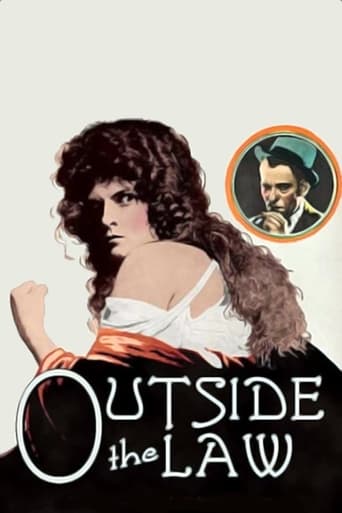
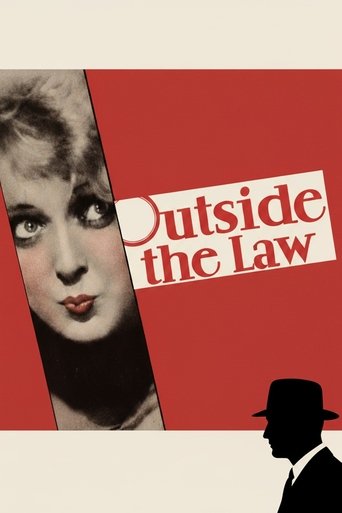
Titles linked here include Shoes (1916), Outside the Law (1920).
When was John George born and when did he die?
Born January 20, 1885; died August 25, 1944.
What awards did John George win?
While John George did not receive major acting awards during his career, he was honored with a star on the Hollywood Walk of Fame at 6364 Hollywood Boulevard in recognition of his contributions to film.
What was John George's acting style?
John George specialized in character acting using transformative makeup and physicality to portray various ethnicities. His silent era acting relied on exaggerated gestures, intense facial expressions, and distinctive physical presence to create memorable characters, particularly in villainous or mysterious roles.