
The Charlatan
"A crystal ball reveals secrets too accurately."
Keys: Space play/pause · ←/→ 10s · F fullscreen · M mute · </> speed
About this film
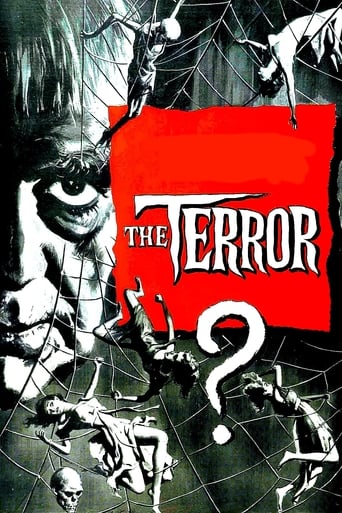
A woman goes to a sideshow fortune-teller to have her fortune told, and is astonished when the man looks into his crystal ball and goes into great detail about events in her past that few people ever knew about. Shaken, she leaves and later tells her girlfriend about the incident.
Cast & crew
More films like this

More Thriller films
View all →


More from George Melford
View all →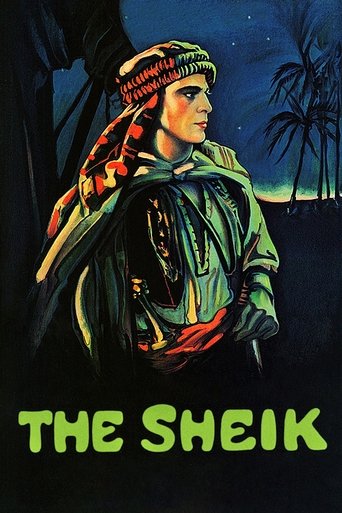
More about this film
About the production
Release dateJune 15, 1929
ProductionColumbia Pictures
Filmed inLos Angeles, California
the production was produced during the transitional period between silent and sound cinema. Director George Melford, who had been making films since the 1910s, was adapting to the new technological changes in the industry. The film was likely shot as a silent film with synchronized music and sound effects, a common practice in 1929 as studios converted to sound production.
Themes
RevengeDeception and hidden identityPast sins returning to haunt the presentThe supernatural as a metaphor for psychological truthBetrayal and its consequences
Themes & topics
fortune-tellerrevenge plotex-husbandcrystal ballsideshowpartyhidden identitypsychological thrillerbetrayalpast secretsmanipulationsupernatural elements
Historical background
The Charlatan (1929) reached screens through Columbia Pictures. Exhibitors of the time built early sound programs that mixed shorts, features, and live acts, so a clear premise helped The Charlatan travel between cities and exchange markets.
Why this film matters
Archivists and revival programmers still cite The Charlatan (1929) when tracing studio habits, casting pools, and the visual rhetoric audiences once took for granted. Even modest surviving prints help map how The Charlatan fit beside competing releases of its day.
Making of
The production of 'The Charlatan' took place during among the leading tumultuous periods in Hollywood history - the transition from silent to sound films. Director George Melford, who had directed numerous silent films throughout the 1910s and 1920s, was adapting to new technologies and audience expectations. The casting of Margaret Livingston was particularly notable, as she was coming off her acclaimed performance in 'Sunrise,' among the leading artistically sophisticated films of the silent era. The film was likely shot quickly on a modest budget, as was typical for Columbia Pictures productions of this period. The studio was still building its reputation and often produced genre films like this thriller to fill out their release schedule. The fortune-telling sequences would have required careful planning of lighting and camera work to create the mysterious atmosphere essential to the plot.
What critics said
Trade coverage around 1929 discussed The Charlatan for pacing, clarity, and program fit rather than blockbuster grosses. Later writers value it as evidence of period style and as a reference point beside other films from the same era.
Did you know?
- the production was released during the pivotal year of 1929, just months before the stock market crash that would end the Roaring Twenties
- Director George Melford had previously directed Rudolph Valentino in 'The Sheik' (1921), widely known silent films of the era
- Margaret Livingston, who plays the female lead, was famous for playing the 'Woman from the City' in F.W. Murnau's masterpiece 'Sunrise' (1927)
- The film's themes of revenge and past sins coming back to haunt characters were common in late silent cinema, reflecting the moral complexities of the Jazz Age
- Holmes Herbert, who plays the charlatan, was a British actor who appeared in over 200 films during his career, often playing sophisticated villains or authority figures
- The film was produced by Columbia Pictures, which was still a relatively young studio in 1929, founded just 8 years earlier in 1920
- the production represents one of the last gasps of the silent thriller genre before sound completely took over Hollywood
- The crystal ball prop used in the film was likely a practical effect using lighting and reflection techniques common in the period
- Rockliffe Fellowes, who appears in the supporting cast, had been a major star in the 1910s but was playing smaller roles by the late 1920s
- The film's short runtime of 60 minutes was typical for lower-budget productions of the era
Visual style
The cinematography of 'The Charlatan' would have employed the dramatic lighting techniques characteristic of late silent thrillers. The fortune-telling sequences likely featured low-key lighting, silhouettes, and special effects to create an atmosphere of mystery and supernatural power. The use of shadows and light would have been essential in conveying the psychological tension and the dual nature of the protagonist's identity. Camera work would have included close-ups to capture the emotional reactions of characters and medium shots for the dramatic confrontations. The crystal ball scenes would have required careful lighting and possibly multiple exposure techniques to create the fortune-telling visions. As a 1929 production, the film would have benefited from the technical advances in cinematography that had occurred throughout the 1920s, including more mobile cameras and sophisticated lighting equipment.
Innovations
While 'The Charlatan' was not a groundbreaking technical film, it benefited from the technical innovations that had become standard by 1929. The film likely used more sophisticated lighting equipment than earlier silent films, allowing for greater control over mood and atmosphere. The fortune-telling sequences would have employed special effects techniques such as multiple exposures, dissolves, or matte shots to create the crystal ball visions. As a late silent film, it would have been shot at a standardized frame rate and used panchromatic film stock, which provided better tonal range than earlier orthochromatic film. If released with sound, it would have used the sound-on-disc or sound-on-film technology that was becoming standard in 1929, representing the technical transition that was revolutionizing the industry.
Music
As a 1929 film in transition, 'The Charlatan' likely featured a synchronized musical score and sound effects rather than spoken dialogue. The musical score would have been typical of late silent thriller films, using dramatic orchestral compositions to enhance the mood of mystery and tension. During the fortune-telling sequences, the music would have become more mysterious and atmospheric, possibly using unusual instruments or discordant harmonies to suggest supernatural elements. Sound effects would have been used sparingly but effectively - perhaps the chime of the crystal ball, mysterious whispers, or dramatic musical stings during moments of revelation. The film might have been released in both silent and sound versions, a common practice in 1929 as theaters converted to sound equipment at different rates.
Famous quotes
The past never truly dies, it merely waits for the right moment to return
In the crystal ball, I see not the future, but the truth you've tried to bury
Revenge is a dish best served with the perfect disguise
Memorable scenes
- The opening fortune-telling sequence where the charlatan reveals intimate details of the woman's past, creating immediate mystery and tension
- The party scene where the charlatan's true identity begins to unfold through psychological games and revelations
- The final confrontation where past and present collide and the full revenge plot is revealed
What audiences thought
Audience reception in 1929 would have been influenced by the public's growing appetite for more sophisticated psychological narratives and the novelty of sound films. As a thriller with elements of mystery and revenge, 'The Charlatan' would have appealed to audiences seeking entertainment that went beyond simple melodrama. The fortune-telling sequences would have provided visual spectacle and mystery that silent film audiences appreciated. However, released during the transition to sound, the film may have struggled to compete with the new 'talkies' that were generating tremendous public excitement. The film's modest runtime and genre elements would have made it suitable for the lower half of double bills, which was common programming practice in 1929.
Film connections
Influenced by
- German Expressionist cinema (for visual style and psychological themes)
- F.W. Murnau's 'Sunrise' (for Margaret Livingston's performance style)
- Alfred Hitchcock's early thrillers (for psychological tension)
- Contemporary stage melodramas (for revenge plot structure)
This film influenced
- Later film noir thrillers with themes of revenge and deception
- Psychological thrillers of the 1930s that explored similar themes
- Films featuring fortune-tellers or mystics as central characters
Film restoration
The preservation status of 'The Charlatan' (1929) is unclear, and the film may be lost or exist only in incomplete form. Many films from this transitional period, particularly lower-budget productions from smaller studios like Columbia Pictures, have not survived. The film is not listed in major film archives' catalogs as being available for viewing, suggesting it may be among the estimated 75% of silent films that are considered lost. If any elements do exist, they would likely be incomplete or in poor condition. The lack of available prints or video releases further indicates the film's rarity or lost status.
Where to watch
- Due to the film's potential lost status, there are currently no known legitimate viewing options available. If the film survives in archives, it would only be accessible through specialized film archive screenings or academic research requests. No commercial DVD, Blu-ray, or streaming releases are known to exist.