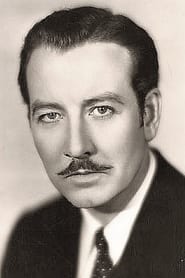
Philo McCullough
Actor
Born: January 8, 1893 in San Francisco, California, USA Died: June 5, 1981 Active: 1915-1952 Birth Name: Philo Hall McCullough
Films
3 films
About Philo McCullough
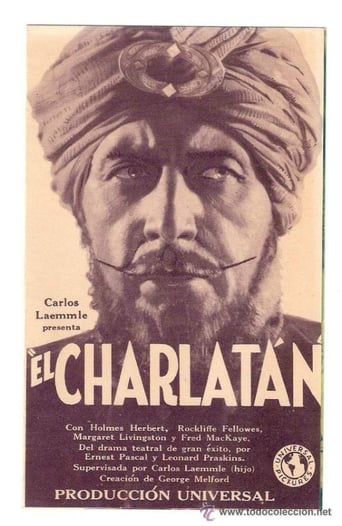
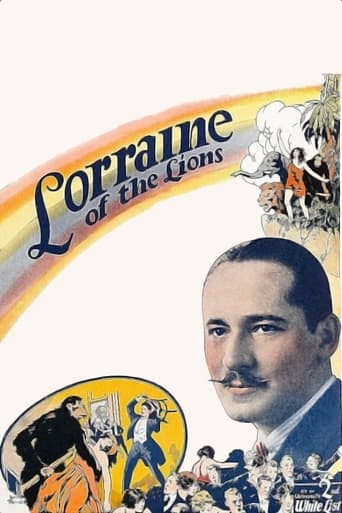
Philo Hall McCullough — American actor whose the silent film era through the early sound period of Hollywood. Born in San Francisco in 1893, McCullough entered the film industry during the mid-1910s and quickly established himself as a reliable leading man in silent dramas and action pictures. Throughout the 1920s, he appeared in numerous productions for various studios, often portraying romantic heroes or adventurous protagonists in films like 'Lorraine of the Lions' (1925) and 'The Charlatan' (1929). With the advent of sound cinema, McCullough successfully transitioned to character roles, though his prominence gradually diminished compared to his silent era stardom. He continued working steadily in supporting roles throughout the 1930s and 1940s, appearing in over 200 films during his career. McCullough made his final film appearances in the early 1950s before retiring from the industry. He spent his later years in Woodland Hills, California, where he passed away in 1981 at the age of 88.
The Craft
On Screen
McCullough was known for his naturalistic acting style that was well-suited for the transition from silent to sound films. In silent films, he employed expressive physical techniques and facial expressions to convey emotion, while maintaining a dignified presence on screen. With the advent of sound, his clear diction and moderate vocal delivery helped him adapt to the new medium. His performances were characterized by a straightforward, sincere approach that made him believable in both dramatic and romantic roles.
Milestones
- Leading man in silent films during the 1920s
- Successful transition to sound films
- Appeared in over 200 films throughout his career
- Starred in 'Lorraine of the Lions' (1925)
- Featured in 'The Charlatan' (1929)
- Worked consistently through the Great Depression era
- Adapted from leading roles to character supporting roles
Best Known For
Iconic Roles
Must-See Films
Working Relationships
Worked Often With
Studios
Why They Matter
Impact on Culture
Philo McCullough represents the generation of actors who successfully navigated the dramatic transition from silent films to sound cinema in Hollywood. While never achieving the legendary status of stars like Charlie Chaplin or Rudolph Valentino, McCullough's career exemplifies the journey of a working actor during. His ability to adapt from leading man roles in silents to character parts in talkies demonstrated the versatility required for longevity in the industry. McCullough's extensive filmography provides a valuable record of the types of productions and storytelling techniques that characterized Hollywood during the silent era and early sound period.
Lasting Legacy
Philo McCullough's legacy lies in his contribution to the vast body of American silent cinema and his successful adaptation to the sound era. His career shows the thousands of working actors who formed the backbone of Hollywood's golden age, even if they never achieved top-tier stardom. Film historians and silent cinema enthusiasts recognize McCullough as part of the essential fabric of 1920s Hollywood, representing the typical leading man of the period. His films, particularly those that survive today, offer valuable insights into the acting styles, production values, and storytelling approaches of the silent era.
Who They Inspired
While Philo McCullough did not mentor specific actors who went on to major stardom, his career path influenced many actors of his generation who faced the challenge of transitioning from silent to sound films. His ability to adapt his acting style and find continued employment in character roles provided a model for other silent era actors navigating the technological and artistic changes in Hollywood. McCullough's longevity in the industry demonstrated the importance of versatility and the willingness to accept different types of roles as one's career evolved.
Off Screen
Philo McCullough was married twice, both times to actresses from the Hollywood community. His first marriage was to Dorothy Revier, a prominent silent film actress, in 1925. The marriage ended in divorce in 1931, which coincided with the challenging transition period from silent to sound films. He later married actress Vera Reynolds, another notable figure from the silent era. McCullough had no children from either marriage. In his later years, he lived quietly in Woodland Hills, California, away from the spotlight of Hollywood, and remained connected to the film community through various industry associations.
Education
Limited information available about his formal education; likely educated in San Francisco before entering the film industry
Family
- Dorothy Revier (1925-1931)
- Vera Reynolds (1931-1981)
Did You Know?
- Appeared in over 200 films during his career
- Was married to two different actresses from the silent era
- Successfully transitioned from leading man to character actor
- His active years covered from the silent era through the early 1950s
- Born in San Francisco but became part of the Hollywood community
- Worked during the challenging transition period from silent to sound films
- His full name was Philo Hall McCullough
- Lived to be 88 years old, outliving many of his contemporaries
- Never achieved major stardom but maintained steady employment throughout his career
- His films provide a valuable record of Hollywood's silent era
Frequently Asked Questions
Who was Philo McCullough?
Screen credits include over 200 films during the silent era and early sound period of Hollywood. He was active from approximately 1915 to the early 1950s, often playing leading roles in silent films before transitioning to character parts in talkies.
What films is Philo McCullough best known for?
Titles linked here include Lorraine of the Lions (1925), The Charlatan (1929).
When was Philo McCullough born and when did he die?
Born January 8, 1893; died June 5, 1981.
What awards did Philo McCullough win?
There are no records of Philo McCullough receiving major awards or nominations during his career. Like many working actors of his era, he maintained steady employment without achieving the recognition that came with industry awards.
What was Philo McCullough's acting style?
McCullough's acting style was naturalistic and adaptable, allowing him to transition successfully from silent films to talkies. In silents, he used expressive physical techniques, while in sound films he employed clear diction and moderate vocal delivery. His performances were characterized by sincerity and straightforwardness.