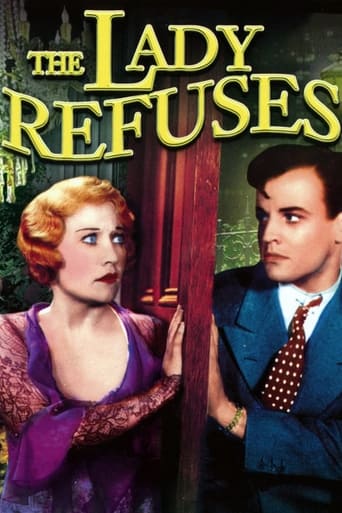
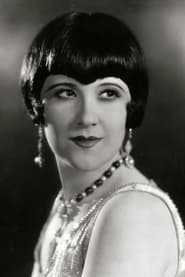
Margaret Livingston
Actor
Born: November 25, 1895 in Salt Lake City, Utah, USA Died: December 13, 1984 Active: 1920-1931
Films
7 films

About Margaret Livingston
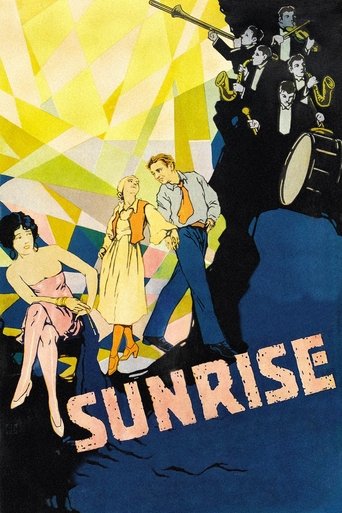
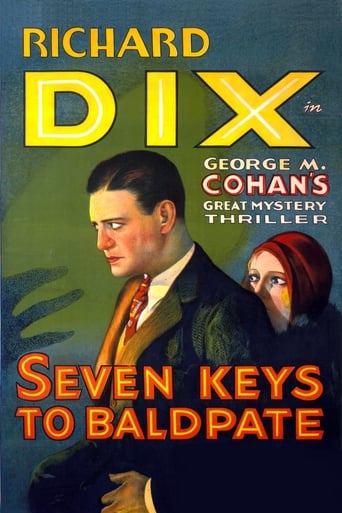
Prominent American actress during the silent film era and early sound period, best known for her captivating portrayal of the seductive 'Woman from the City' in F.W. Murnau's masterpiece 'Sunrise: A Song of Two Humans' (1927). Born in Salt Lake City, Utah, she began her film career in the early 1920s and quickly established herself as a versatile performer, often cast as sophisticated, worldly women and femme fatales. Her breakthrough role in 'Sunrise' showcased her ability to convey complex emotions through subtle gestures and expressions, earning her critical acclaim and international recognition. Livingston successfully transitioned to talkies, appearing in several notable sound films including 'The Last Warning' (1929) and 'Seven Keys to Baldpate' (1929). In 1931, she married Academy Award-winning screenwriter Charles Brackett and retired from acting to focus on her personal life. Despite her relatively short career span of about a decade, Livingston on cinema history through her memorable performances and contribution to the golden age of silent film.
The Craft
On Screen
Livingston was renowned for her sophisticated screen presence and ability to portray complex, morally ambiguous characters with nuance and depth. In silent films, she mastered the art of conveying emotion through subtle facial expressions, body language, and expressive eyes, particularly excelling in roles as seductresses and femme fatales. Her acting style was characterized by a naturalistic approach that avoided the exaggerated gestures common in silent cinema, instead favoring more subtle, psychologically nuanced performances. As sound films emerged, she successfully adapted her style, bringing the same level of sophistication and emotional complexity to her spoken roles, though her career was cut short before she could fully explore the possibilities of sound cinema.
Milestones
- Breakthrough role in 'Sunrise: A Song of Two Humans' (1927)
- Successful transition from silent films to talkies
- Marriage to Academy Award-winning screenwriter Charles Brackett
- Typecast as sophisticated femme fatale in numerous films
- Work with renowned director F.W. Murnau
- Retirement at the height of her career in 1931
Best Known For
Iconic Roles
Must-See Films
Accolades
Won
- Academy Award for Unique and Artistic Production for 'Sunrise' (as cast member)
Special Recognition
- Star on the Hollywood Walk of Fame (for contributions to motion pictures)
Working Relationships
Worked Often With
Studios
Why They Matter
Impact on Culture
Margaret Livingston's performance in 'Sunrise: A Song of Two Humans' represents. Her portrayal of the seductive city woman who tempts a simple farmer demonstrated how silent film could explore complex psychological themes and moral ambiguity through visual storytelling. The character's sophistication, moral complexity, and subtle manipulation techniques influenced countless subsequent portrayals of dangerous women in Hollywood cinema. Livingston's ability to create a character that was both alluring and threatening without relying on melodramatic tropes helped elevate the artistic standards for supporting roles in silent films. Her work with F.W. Murnau contributed to the international recognition of American cinema's artistic potential during the late 1920s.
Lasting Legacy
Margaret Livingston's legacy endures primarily through her unforgettable performance in 'Sunrise,' consistently ranked among the greatest films ever made by critics and film historians. Her portrayal of the Woman from the City remains a benchmark for femme fatale performances, studied in film schools for its psychological depth and visual sophistication. Though her career was brief, Livingston exemplified the transition from silent film's theatricality to more naturalistic acting styles that would dominate cinema's sound era. Her marriage to Charles Brackett created one of Hollywood's most significant creative partnerships, albeit behind the scenes. Today, film enthusiasts and scholars rediscover her work through restorations of her films, particularly 'Sunrise,' which continues to inspire new generations of filmmakers and actors.
Who They Inspired
Livingston influenced the evolution of screen acting by demonstrating how subtle, nuanced performances could create compelling characters in silent cinema. Her naturalistic style contrasted with the more theatrical approaches of her contemporaries, paving the way for the realistic acting methods that would become standard in sound films. Her portrayal of complex, morally ambiguous female characters challenged the simplistic good-versus-evil narratives common in 1920s cinema, contributing to more sophisticated storytelling techniques. Future actresses playing femme fatale roles, from Marlene Dietrich to Barbara Stanwyck, built upon the foundation Livingston helped establish. Her work with European directors like Murnau also helped bridge European and American cinematic techniques during Hollywood's formative years.
Off Screen
Margaret Livingston married Charles Brackett, the renowned Academy Award-winning screenwriter and film producer, in 1931, which led to her retirement from acting. The couple remained married until Brackett's death in 1969, enjoying a long and stable partnership away from the Hollywood spotlight. After leaving the film industry, Livingston focused on her role as a society wife and philanthropist, occasionally attending film-related events but largely maintaining her privacy. The couple had no children but were known for hosting literary and film industry gatherings at their home. Livingston spent her later years in California, living quietly until her death at age 89.
Education
Limited documentation; believed to have attended local schools in Salt Lake City before moving to Los Angeles to pursue acting
Family
- Charles Brackett (1931-1969)
Did You Know?
- Despite being born in Utah, she was often mistaken for being European due to her sophisticated screen presence
- Her role in 'Sunrise' was originally offered to actress Mary Philbin before being given to Livingston
- She was one of the few silent film stars who successfully transitioned to talkies without a noticeable accent
- Livingston retired from acting at age 36, at what many considered the peak of her career
- Her husband Charles Brackett won three Academy Awards for Best Screenplay, including for 'Sunset Boulevard' and 'The Lost Weekend'
- She made her film debut in a small uncredited role in 1920's 'Her First Elopement'
- Livingston was known for her striking blue eyes, which were particularly effective in close-ups
- She was a favorite of director F.W. Murnau, who praised her 'natural and instinctive' acting ability
- Despite her vamp roles on screen, contemporaries described her as shy and reserved in real life
- Her final film appearance was in 'The Man Who Came Back' (1931), the same year she married Brackett
In Their Own Words
On acting in silent films: 'The camera sees everything. You can't hide behind words when there are none to speak.'
On her role in Sunrise: 'Murnau taught me that the smallest gesture could speak volumes if you truly understood your character's motivation.'
On retiring from films: 'I found my greatest happiness not in the spotlight, but in supporting the creative work of others.'
Frequently Asked Questions
Who was Margaret Livingston?
American actress best known for her roles in silent films and early talkies during the late 1920s, particularly her memorable performance as the seductive 'Woman from the City' in F.W. Murnau's acclaimed film 'Sunrise: A Song of Two Humans' (1927).
What films is Margaret Livingston best known for?
Titles linked here include Sunrise: A Song of Two Humans (1927), The Last Warning (1929).
When was Margaret Livingston born and when did she die?
Born November 25, 1895; died December 13, 1984.
What awards did Margaret Livingston win?
While Livingston did not receive personal acting awards, she was part of the cast of 'Sunrise' which won the Academy Award for Unique and Artistic Production at the first Academy Awards ceremony. She also received a star on the Hollywood Walk of Fame for her contributions to motion pictures.
What was Margaret Livingston's acting style?
Livingston was known for her sophisticated, naturalistic acting style that relied on subtle facial expressions and nuanced body language rather than the exaggerated gestures common in silent films. She particularly excelled at playing complex, morally ambiguous characters and femme fatales with psychological depth.