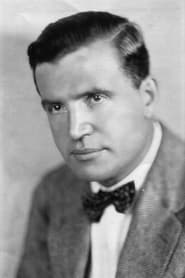
Rockliffe Fellowes
Actor
Born: March 17, 1884 in Ottawa, Ontario, Canada Died: January 28, 1950 Active: 1915-1929
Films
5 films
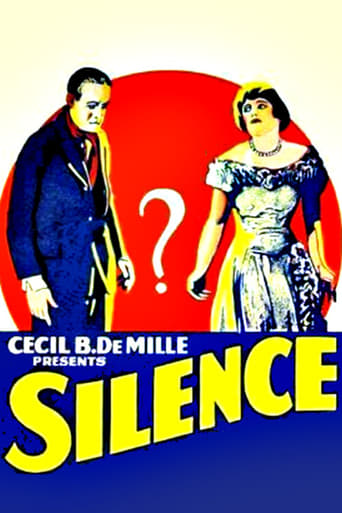
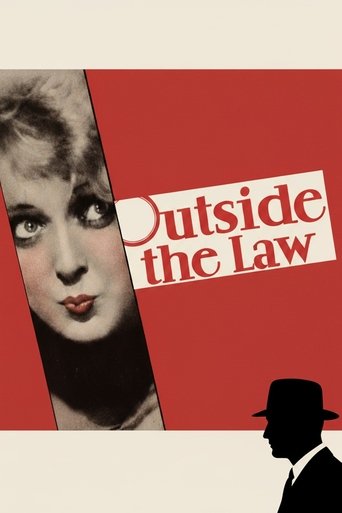
About Rockliffe Fellowes
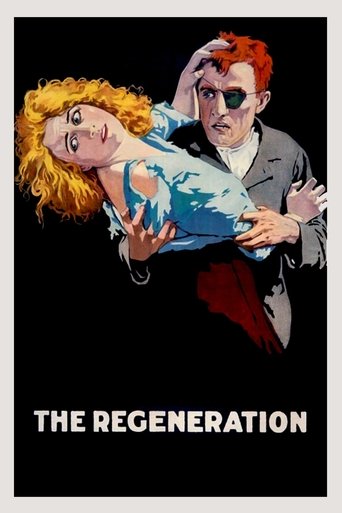
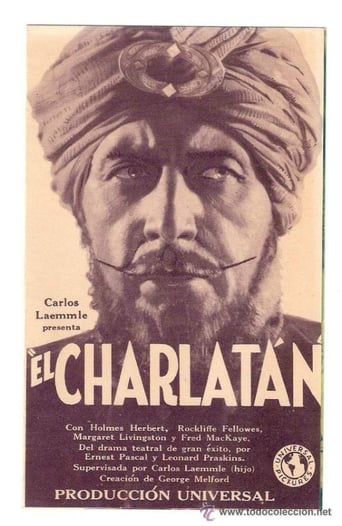
Made his mark during the silent film era, known for his commanding screen presence and versatility in character roles. Born in Ottawa, Ontario, he began his career on the stage before transitioning to motion pictures in the mid-1910s. His breakthrough role came in Raoul Walsh's gangster film 'The Regeneration' (1915), where he played a significant supporting character that helped establish his reputation in Hollywood. Throughout the 1920s, Fellowes became a reliable character actor, appearing in numerous productions for various studios, often cast as authority figures, villains, or paternal characters. He successfully navigated the transition from silent films to early talkies, though his career began to wane as the sound era progressed. His final notable film appearance was in 'The Charlatan' (1929), after which he gradually stepped away from the film industry. Fellowes' the transformative period of early American cinema, from the height of the silent era through the dawn of sound, making him a witness to and participant in cinema's most revolutionary decade.
The Craft
On Screen
Rockliffe Fellowes was known for his naturalistic acting style that evolved from stage techniques to screen acting. He possessed a commanding presence that made him particularly effective in authority roles, often bringing gravitas and authenticity to characters ranging from police officials to paternal figures. His performances were marked by subtle facial expressions and controlled body language, which served him well in both dramatic and comedic roles. Fellowes had the ability to convey complex emotions without relying on the exaggerated gestures common in early silent cinema, making his performances feel more contemporary and accessible to audiences.
Milestones
- Breakthrough role in Raoul Walsh's 'The Regeneration' (1915)
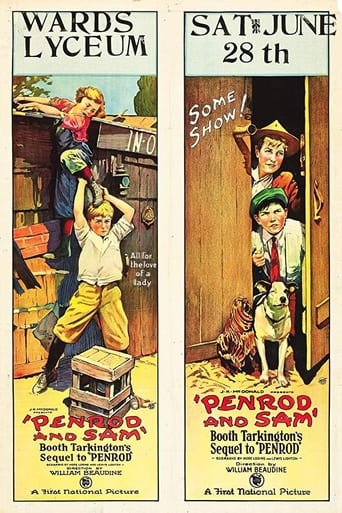
- Supporting role in the popular comedy 'Penrod and Sam' (1923)
- Successful transition from silent films to early talkies
- Worked with major studios including Fox Film Corporation
- Appeared in over 40 films during his 14-year career
Best Known For
Iconic Roles
Must-See Films
Working Relationships
Worked Often With
Studios
Why They Matter
Impact on Culture
Rockliffe Fellowes represents the archetype of the reliable character actor who helped build the foundation of American cinema during its formative years. His work in 'The Regeneration' contributed to the development of the gangster film genre, which would become one of Hollywood's most enduring and influential categories. As a Canadian who successfully transitioned to American films, Fellowes was part of the broader pattern of international talent that enriched Hollywood's creative landscape during the silent era. His ability to adapt his craft from stage to screen, and then from silent to sound films, exemplified the versatility required of actors during this revolutionary period in cinema history.
Lasting Legacy
Rockliffe Fellowes' legacy lies in his contribution to the golden age of silent cinema as a dependable character actor who brought depth and authenticity to supporting roles. While he never achieved star status, his performances in films like 'The Regeneration' have been preserved and studied by film historians as examples of the sophisticated acting techniques emerging during the 1910s and 1920s. His career trajectory—from stage to silent film to early talkies—mirrors the evolution of the film industry itself, making him a representative figure of actors who navigated these dramatic technological and artistic changes. Fellowes' work continues to be appreciated by silent film enthusiasts and scholars who recognize the importance of character actors in creating the early American cinema.
Who They Inspired
As a character actor rather than a leading man, Rockliffe Fellowes' influence was primarily through the quality and consistency of his performances, which helped establish standards for supporting roles in American cinema. His naturalistic acting style, which avoided the theatrical excesses common in early film, influenced younger actors entering the industry during the 1920s. Fellowes demonstrated that character actors could have substantial careers without achieving star status, paving the way for future generations of supporting performers who would become the backbone of Hollywood productions.
Off Screen
Rockliffe Fellowes maintained a relatively private personal life away from the Hollywood spotlight. He immigrated from Canada to the United States to pursue his acting career, eventually becoming a naturalized American citizen. Unlike many of his contemporaries, Fellowes avoided the scandals and public controversies that plagued Hollywood during the 1920s. After his film career ended, he largely disappeared from public view, suggesting a preference for a quiet life away from entertainment industry attention.
Did You Know?
- Born in Ottawa, Canada, making him one of the early Canadian actors to find success in Hollywood
- His most significant role was in 'The Regeneration' (1915), considered one of the first full-length gangster films
- Successfully transitioned from silent films to talkies, a challenge that ended many careers of his era
- Worked with director Raoul Walsh early in both their careers
- Appeared in over 40 films during his 14-year film career
- Like many character actors of his era, he often played multiple roles in single productions
- His active years covered the entire decade of the 1920s, the peak of silent cinema
- After retiring from films, he completely disappeared from public life
- His stage background helped him adapt to the new requirements of sound films in the late 1920s
- He was part of the generation of actors who witnessed cinema's transformation from novelty to art form
Frequently Asked Questions
Who was Rockliffe Fellowes?
Canadian-American character with credits in this catalog. He was known for his reliable performances in supporting roles, particularly in films like 'The Regeneration' (1915) and 'Penrod and Sam' (1923).
What films is Rockliffe Fellowes best known for?
Titles linked here include The Regeneration (1915), Penrod and Sam (1923).
When was Rockliffe Fellowes born and when did he die?
Born March 17, 1884; died January 28, 1950.
What awards did Rockliffe Fellowes win?
Rockliffe Fellowes did not receive any major awards or nominations during his career. Like many character actors of his era, his contributions were recognized through steady employment and the respect of his colleagues rather than formal accolades.
What was Rockliffe Fellowes's acting style?
Fellowes was known for his naturalistic acting style that avoided the exaggerated gestures common in early silent cinema. He brought a stage-trained authenticity to his film roles, using subtle expressions and controlled body language to create believable characters, particularly effective in authority and paternal roles.