George Melford
Director
Born: February 19, 1877 in New York City, New York, USA Died: April 25, 1961 Active: 1911-1933
Films
5 films
About George Melford
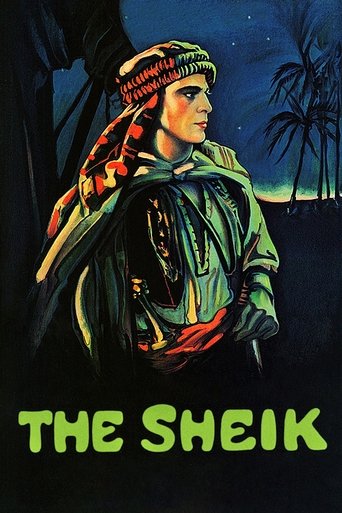
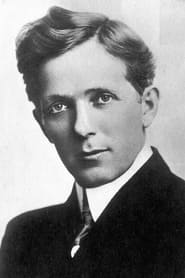
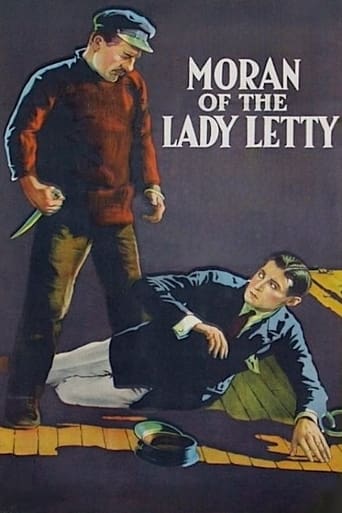
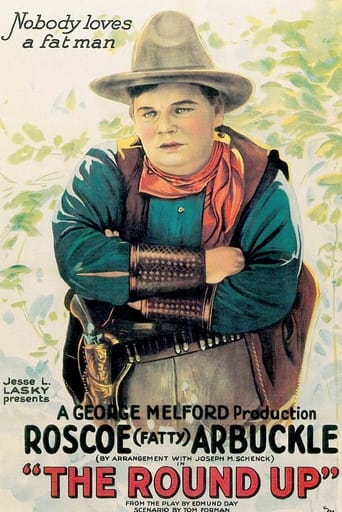
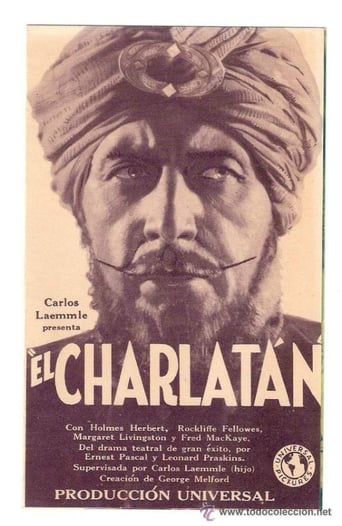
George H. Melford — American film director, actor, and writer whose career bridged the early nickelodeon era, the silent feature boom, and the first years of sound. Born in New York City, he entered the theater as a stage actor before moving into motion pictures in the 1910s, where he quickly became one of the dependable craftsmen of the Paramount studio system. During the silent era he directed a wide range of genres, from romantic dramas and westerns to adventure films and literary adaptations, and he became especially associated with expansive location shooting and handsome, commercially polished productions. He is best remembered today for directing The Sheik (1921) with Rudolph Valentino, one of the defining romantic hits of the silent screen, as well as The Round-Up (1920) and Moran of the Lady Letty (1922), both popular star vehicles. Melford also made a remarkable and often-discussed Spanish-language version of Dracula in 1931, shot concurrently with the English-language production and widely admired for its atmosphere and visual flair. In the transition to sound he continued directing into the late 1920s and early 1930s, including The Charlatan (1929), but like many silent-era directors his prominence faded as studio tastes and industry economics changed. He spent his later years away from the spotlight and died in Los Angeles in 1961, leaving behind a reputation as a skilled, flexible director whose work helped shape mainstream commercial cinema in the silent era.
The Craft
Behind the Camera
Melford’s directing style was typically efficient, visually fluent, and oriented toward clear storytelling and star presentation rather than overt personal eccentricity. He was especially effective with large-scale commercial entertainment, often emphasizing atmosphere, romance, adventure, and strong narrative momentum. In silent cinema he made good use of expressive compositions, location settings, and dynamic staging, while keeping productions accessible to broad audiences. His later work suggests a practical studio professional who could adapt to changing technologies and genres, including early sound filmmaking. He is also remembered for an ability to deliver polished mainstream pictures that showcased performers while maintaining a confident, classical visual rhythm.
Milestones
- Became a prolific silent-era director at Paramount, known for polished commercial features across multiple genres
- Directed The Round-Up (1920), an important western starring George Bancroft that helped cement the modern studio western
- Directed The Sheik (1921),
- Directed Moran of the Lady Letty (1922), a popular adventure-romance adapted from Frank Norris
- Directed the Spanish-language Dracula (1931), a famous alternate version noted for its inventive visual style and stronger camera coverage
Best Known For
Must-See Films
Working Relationships
Worked Often With
Studios
Why They Matter
Impact on Culture
George Melford played a significant role in establishing the commercial language of the silent feature film at a time when Hollywood was consolidating its studio system and star culture. His work on The Sheik became inseparable from the phenomenon of Rudolph Valentino, helping define the archetype of the exotic romantic hero and influencing countless later screen romances and adventure melodramas. The Round-Up contributed to the development of the studio western as a broadly appealing mass-entertainment form, while Moran of the Lady Letty demonstrated how literary material could be reshaped into a streamlined, visually engaging star vehicle. Although he was not usually regarded as a self-consciously artistic auteur, his films are important examples of expert classical storytelling and studio craftsmanship. The Spanish-language Dracula has also become culturally significant in film studies because it illustrates how Hollywood addressed multilingual markets in the early sound era and because many viewers and scholars consider it a visually inventive counterpart to the more famous Bela Lugosi version.
Lasting Legacy
Melford’s legacy rests on his role as a reliable and often inventive studio director who helped deliver some of the most commercially important films of the silent era. He is especially remembered by historians for directing The Sheik, which remains one of the landmark romance films of early Hollywood and a key text in the study of stardom and audience desire. His Spanish-language Dracula has earned renewed attention for decades as a fascinating parallel production, and it has greatly enhanced scholarly appreciation of his visual instincts and efficiency under studio constraints. In broader film history, he represents the many accomplished craftsmen whose work sustained the Hollywood system even when they were overshadowed by bigger-name directors. His career provides an important window into how silent-era directors adapted to new formats, new markets, and the disruptive shift from silent films to sound.
Who They Inspired
Melford influenced later filmmakers primarily through the commercial models he helped refine: the romantic star vehicle, the expansive western, and the polished adventure picture. The success of The Sheik reinforced the power of personality-centered melodrama and helped shape subsequent depictions of exotic romance in popular cinema. His work on Dracula has had enduring influence in film scholarship and preservation circles because it shows how alternate-language productions could sometimes rival or surpass their English-language counterparts in formal qualities. While he did not establish a large named school of followers, his films demonstrate the values of efficient classical direction, visual clarity, and responsiveness to studio needs that later directors working within the studio system continued to emulate.
Off Screen
George Melford maintained a relatively private personal life compared with many major Hollywood figures of the period, and detailed biographical information about his family and relationships is comparatively limited in standard film histories. He was married, but the historical record available in common reference sources does not consistently provide a well-documented spouse list or extensive family background. He lived and worked primarily in the United States, with much of his career centered in the Los Angeles studio environment. As with many directors who began in the silent era, his public profile was more closely tied to his professional output than to personal celebrity.
Education
Educational background is not well documented in standard film reference sources; he is generally described as having entered the theater and then motion pictures through practical professional experience rather than formal film schooling.
Family
- Unknown spouse (historical records are inconsistent in readily available reference sources)
Did You Know?
- He directed The Sheik, one of Rudolph Valentino’s most famous films and a huge silent-era box office hit.
- His Spanish-language Dracula was filmed at night on the same sets used for the Bela Lugosi version, making it.
- Melford worked across multiple genres, including westerns, romances, adventure films, and literary adaptations.
- He began in theater before moving into films, a common career path for early Hollywood directors.
- He remained active into the sound era even after the silent-era peak of his reputation had passed.
- Film historians often note that his version of Dracula is admired for its more mobile camera work and atmospheric pacing.
- Despite directing some of the most talked-about films of the 1920s, he is less widely remembered by the general public than many of the stars he directed.
- His career is a useful example of how studio-era directors could be highly influential without developing a strongly personalized auteur brand.
Frequently Asked Questions
Who was George Melford?
American on YTB.my. He was a reliable studio-era craftsman at Paramount and is best remembered for directing The Sheik and the Spanish-language Dracula.
What films is George Melford best known for?
Titles linked here include The Sheik (1921), The Round-Up (1920).
When was George Melford born and when did he die?
Born February 19, 1877; died April 25, 1961.
What awards did George Melford win?
No major competitive awards are prominently documented for George Melford in standard film reference sources. His recognition today comes more from his historically important films and his place in silent and early sound cinema than from formal awards.
What was George Melford's directing style?
Melford’s style was classical, efficient, and commercially oriented, with a strong emphasis on clear storytelling and star appeal. He was especially good at atmosphere, pacing, and polished visual presentation in genre films and romantic melodramas.
Why is George Melford important in film history?
He helped shape some of the most popular commercial films of the silent era and played a key role in the success of The Sheik, a landmark romance starring Rudolph Valentino. His Spanish-language Dracula later became an important example of early multilingual production and has earned a durable place in film studies.