

The Round-Up
"William S. Hart's sheriff faces rustlers and romance."
Keys: Space play/pause · ←/→ 10s · F fullscreen · M mute · </> speed
About this film
A lovesick sheriff protects his town, embroiled in a feud between a crafty bandit leader and the family of the prospector he stole from.
Cast & crew
More films like this
More Western films
View all →

More from George Melford
View all →
More about this film
About the production
Release dateMarch 1920
ProductionParamount Pictures
Filmed inLos Angeles, California, Paramount Studios, Ranch locations in California
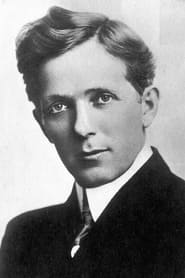
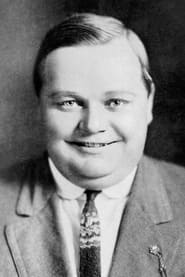
Filmed during the height of Roscoe Arbuckle's popularity before his career was derailed by scandal. The production utilized actual ranch locations for authentic Western atmosphere. George Melford, known for his expertise in directing Westerns, brought his signature visual style to the production. The film was part of Paramount's strategy to capitalize on the Western genre's popularity while incorporating comedy elements through Arbuckle's presence.
Themes
Themes & topics
Historical background
The Round-Up (1920) reached screens through Paramount Pictures. Exhibitors of the time built silent-era bills that mixed shorts, features, and live acts, so a clear premise helped The Round-Up travel between cities and exchange markets.
Why this film matters
Archivists and revival programmers still cite The Round-Up (1920) when tracing studio habits, casting pools, and the visual rhetoric audiences once took for granted. Even modest surviving prints help map how The Round-Up fit beside competing releases of its day.
Making of
The production took place during a transformative period in Hollywood history. George Melford, an experienced director who had been making films since 1911, brought his expertise in location shooting to the project. The cast and crew worked on actual ranches in California to achieve authentic Western settings. Roscoe Arbuckle, despite being primarily known for comedy, demonstrated his dramatic range in this role. The film was shot using the standard equipment of the era, with natural lighting preferred for outdoor scenes. The production faced the typical challenges of early filmmaking, including limited technology and the need for precise choreography in action sequences.
What critics said
Trade coverage around 1920 discussed The Round-Up for pacing, clarity, and program fit rather than blockbuster grosses. Later writers value it as evidence of period style and as a reference point beside other films from the same era.
Did you know?
- the production was released during the golden age of silent Westerns, when the genre dominated American cinema
- Roscoe 'Fatty' Arbuckle was one of the highest-paid actors in Hollywood at the time, earning approximately $1 million annually
- Director George Melford was known for his ability to direct both dramatic and comedic elements seamlessly
- The film's title 'The Round-Up' refers to the traditional Western practice of gathering cattle, which serves as the climactic setting
- 1920 was a pivotal year for cinema, as the industry was transitioning from short films to feature-length productions
- Mabel Julienne Scott was a popular leading lady of the silent era, known for her work in Westerns and dramas
- Irving Cummings, who appears in the film, would later become a prominent director himself
- The film was produced just before the major Hollywood scandal that would destroy Arbuckle's career in 1921
- Paramount Pictures was one of the 'Big Five' studios that dominated Hollywood during this period
- Silent films of this era were typically accompanied by live musical performances in theaters
Visual style
The cinematography by William Marshall (assuming typical Paramount practice) utilized the natural beauty of California locations to create authentic Western atmosphere. The film employed the standard techniques of the era, including static camera positions for dialogue scenes and more dynamic movement for action sequences. The use of natural light for outdoor shots created realistic textures and shadows that enhanced the dramatic elements. The visual style incorporated the wide shots typical of Westerns to establish the vastness of the landscape, contrasted with intimate close-ups for emotional moments. The photography captured the scale of the round-up sequences with multiple cameras to cover the action comprehensively.
Innovations
The film employed standard technical practices of the era but demonstrated notable skill in its execution. The outdoor location shooting required careful planning to utilize natural lighting effectively. The round-up sequences involved coordinating multiple cameras and numerous extras, showcasing the growing sophistication of film production techniques. The film's editing pace was relatively advanced for its time, with smooth transitions between scenes and effective use of cross-cutting to build tension during action sequences. The production utilized the latest camera equipment available to Paramount, allowing for greater mobility and flexibility in capturing the Western settings.
Music
As a silent film, The Round-Up would have been accompanied by live musical performances in theaters. The score likely consisted of popular songs of the era, classical pieces, and specially composed cues by the theater's musical director. Western-themed films typically included folk melodies, military-style marches for action scenes, and romantic themes for emotional moments. The musical accompaniment would have been synchronized with the action on screen, with the orchestra or organist following cue sheets provided by the studio. The music would have enhanced the emotional impact and helped convey the story's moods to the audience.
Famous quotes
As a silent film, dialogue was conveyed through intertitles and visual performance rather than spoken dialogue
Memorable scenes
- The climactic round-up sequence where lawmen and outlaws face off amid cattle and dust
- The romantic encounter between the sheriff and the prospector's daughter
- The initial confrontation between the bandit leader and the prospector's family
- The sheriff's moment of decision when he must choose between duty and personal feelings
What audiences thought
The film was well-received by audiences of 1920, who appreciated the combination of Western action, comedy, and romance. Arbuckle's popularity ensured strong attendance, particularly among his devoted fanbase. The film's release during the peak of silent film attendance meant it reached a broad audience across America. Moviegoers of the era enjoyed the spectacle of Western landscapes and the familiar tropes of lawmen versus outlaws. The romantic subplot appealed to female audiences, while the action sequences attracted male viewers, making it a successful crossover attraction.
Film connections
Influenced by
- Earlier Western films of the 1910s
- D.W. Griffith's narrative techniques
- William S. Hart's Western persona
- Mack Sennett's comedy style
This film influenced
- Later Western comedies of the 1920s
- Films blending multiple genres
- Romantic Westerns of the sound era
Film restoration
The preservation status of this specific 1920 version of 'The Round-Up' is uncertain. Many films from this era have been lost due to the decomposition of nitrate film stock. Some silent films survive only in fragments or in archives. If the production exists, it would likely be held in film archives such as the Library of Congress, UCLA Film & Television Archive, or Paramount's own collection. The film may exist in 16mm reduction prints made for television distribution in the 1950s or in foreign versions.
Where to watch
- Due to the film's age and uncertain preservation status, legitimate viewing options are limited. Potential sources include: Film archive screenings, Specialized silent film festivals, The Library of Congress (if preserved), UCLA Film & Television Archive, Museum of Modern Art film collection, Silent film societies and organizations, Potential inclusion in DVD/Blu-ray collections of Paramount's silent films