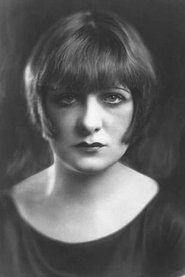
Jean Acker
Actor
Born: October 23, 1893 in Trenton, New Jersey, United States Died: August 16, 1978 Active: 1919-1931 Birth Name: Harriet Ackers
Films
1 film
About Jean Acker
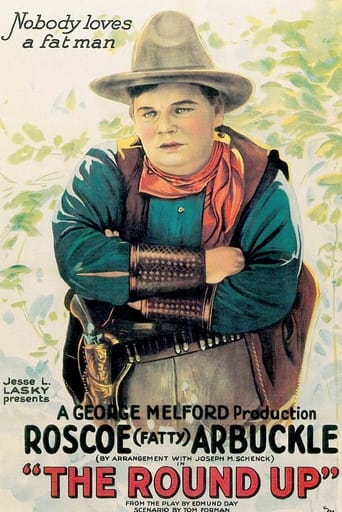
American actress who rose to prominence during the silent film era, best known for her tumultuous marriage to screen legend Rudolph Valentino. Born Harriet Ackers, she began her career as a model before transitioning to films in the late 1910s, signing with Universal Pictures in 1919. Her career reached its peak between 1919 and 1925, during which she appeared in numerous silent films including 'The Round-Up' (1920) opposite Roscoe 'Fatty' Arbuckle. Despite her promising start, her personal life often overshadowed her professional achievements, particularly her highly publicized marriage and separation from Valentino in 1919. After the silent era ended, Acker struggled to transition to sound films and her career gradually declined, though she continued to appear in smaller roles through the early 1930s. She eventually retired from acting and lived a relatively private life until her death in 1978, leaving behind a legacy as both a silent film actress and a figure in Hollywood's golden age scandals.
The Craft
On Screen
Acker was typical of silent era actresses, emphasizing emotional expression through facial gestures and body language. She often played the romantic lead or the damsel in distress, utilizing the melodramatic style popular in silent cinema. Her performances were characterized by a delicate, feminine presence that suited the romantic dramas of the period.
Milestones
- Signed with Universal Pictures in 1919
- Starred in 'The Round-Up' (1920) with Roscoe Arbuckle
- Married Rudolph Valentino in 1919
- Appeared in over 30 silent films
- Transitioned to supporting roles in early sound films
Best Known For
Iconic Roles
Must-See Films
Accolades
Special Recognition
- Hollywood Walk of Fame star (Motion Pictures)
Working Relationships
Worked Often With
Studios
Why They Matter
Impact on Culture
Jean Acker's impact on cinema is primarily through her connection to Rudolph Valentino and her representation of the silent era's romantic leading ladies. While her film career was modest compared to contemporaries, her marriage to Valentino placed her at the center of Hollywood's early celebrity culture and gossip columns. Her story illustrates the precarious nature of stardom in early Hollywood, where personal scandals could make or break careers. As a woman who reportedly lived as a lesbian during Hollywood's conservative era, she represents the hidden LGBTQ+ history of early cinema.
Lasting Legacy
Jean Acker's legacy endures primarily through her association with Rudolph Valentino and as a figure in Hollywood's golden age history. She serves as an example of the many silent era actresses whose careers were overshadowed by personal circumstances and the transition to sound. Her life story has been referenced in numerous biographies of Valentino and books about early Hollywood, contributing to our understanding of the era's social dynamics and the challenges faced by women in the industry.
Who They Inspired
While not a major influence on acting techniques or film style, Acker's career trajectory influenced public understanding of the fragility of silent era stardom. Her experiences highlighted the impact of personal scandal on professional life in early Hollywood, and her story has been cited in discussions about LGBTQ+ representation in classic cinema.
Off Screen
Jean Acker's personal life was marked by her high-profile marriage to Rudolph Valentino, which ended in scandal and separation just hours after their wedding. She was reportedly a lesbian and had relationships with women throughout her life, including a long-term partnership with actress Grace Darmond. After her divorce from Valentino, she never remarried and lived a relatively private life in her later years. She struggled financially after her acting career ended and was supported by friends in the film industry.
Education
Attended public schools in Trenton, New Jersey; later studied dramatic arts in New York City
Family
- Rudolph Valentino (1919-1922)
Did You Know?
- Locked Rudolph Valentino out of their hotel room on their wedding night
- Was a close friend of actress Alla Nazimova, who was part of Hollywood's early lesbian circle
- Her marriage to Valentino was annulled but she refused to grant him a divorce for years
- Worked as a model before entering films
- Appeared in over 30 films during her career but most are now lost
- Lived with actress Grace Darmond for many years
- Her real name was Harriet Ackers but she used Jean Acker professionally
- Was described by contemporaries as having a 'boyish' appearance and manner
- Received a Hollywood Walk of Fame star posthumously
- Her final film appearance was in 1931's 'The Great Junction'
In Their Own Words
I loved Rudy, but not in the way a wife should love a husband. I couldn't pretend anymore.
In those days, you didn't talk about such things. You just lived your life quietly.
Frequently Asked Questions
Who was Jean Acker?
American silent film actress active primarily in the 1920s, best known for her marriage to screen legend Rudolph Valentino and her roles in films like 'The Round-Up' (1920). She appeared in over 30 films during her career and was part of Hollywood's early star system.
What films is Jean Acker best known for?
Titles linked here include The Round-Up (1920), The Sea Wolf (1920).
When was Jean Acker born and when did she die?
Born October 23, 1893; died August 16, 1978.
What was Jean Acker's relationship with Rudolph Valentino?
Jean Acker married Rudolph Valentino in November 1919, but locked him out of their hotel room on their wedding night. They separated immediately, and though the marriage was annulled, she refused to grant him a divorce for years, preventing him from marrying Natacha Rambova.
What was Jean Acker's acting style?
Jean Acker employed the typical melodramatic style of silent era acting, emphasizing emotional expression through facial gestures and body language. She often played romantic leads or damsels in distress, bringing a delicate, feminine presence to her roles.
Did Jean Acker win any awards?
Jean Acker did not receive any major film awards during her career. However, she was posthumously honored with a star on the Hollywood Walk of Fame for her contributions to motion pictures.
What happened to Jean Acker's career after the silent era?
Like many silent film stars, Jean Acker struggled to transition to sound films. Her career declined in the early 1930s, and she retired from acting after her last film in 1931, living a relatively private life until her death in 1978.