
Tom Forman
Actor & Director
Born: February 22, 1893 in Mitchell County, Texas, USA Died: November 7, 1926 Active: 1914-1926
Films
7 films
About Tom Forman
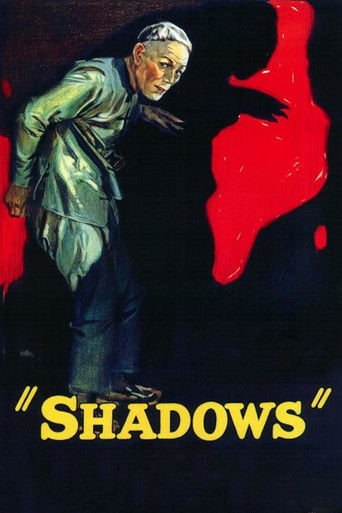
Made significant contributions to silent cinema during the early 1920s. Born in Texas in 1893, Forman began his film career as an actor around 1914, appearing in numerous silent films for major studios including Paramount Pictures. He successfully transitioned to directing in the early 1920s, where he found his greatest artistic success, helming the critically acclaimed drama 'Shadows' (1922) which showcased his sophisticated visual storytelling techniques. Forman directed the first major film adaptation of Owen Wister's classic Western novel 'The Virginian' in 1923, establishing conventions that would influence the genre for decades. His career was tragically cut short when he died by suicide on November 7, 1926, at the age of 33, reportedly due to depression over health issues and professional setbacks. Despite his brief career, Forman directed over 20 films and left a lasting impact on both the Western genre and silent film artistry.
The Craft
On Screen
As an actor in the silent era, Forman employed the expressive, physical style typical of the period, using exaggerated gestures and facial expressions to convey emotion without dialogue. He specialized in portraying rugged, masculine characters that suited the Western and adventure genres popular in the 1920s. Forman's screen presence was characterized by a strong, commanding demeanor that made him a natural leading man for the era's action-oriented films.
Behind the Camera
Forman's directing style was noted for its visual sophistication and narrative clarity, particularly evident in 'Shadows' where he demonstrated advanced techniques in lighting and composition that were ahead of their time. He excelled at both intimate character studies and large-scale productions, with 'The Virginian' showcasing his ability to handle complex action sequences while maintaining story coherence. Forman had a particular talent for extracting strong performances from his actors and adapting literary works to the screen with artistic integrity.
Milestones
- Transitioned from successful acting career to directing in early 1920s
- Directed critically acclaimed 'Shadows' (1922) showcasing advanced visual techniques
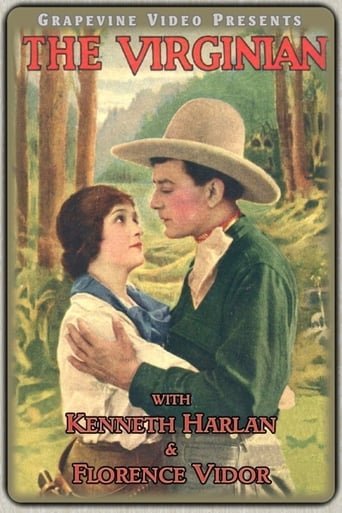
- Helmed first major film adaptation of 'The Virginian' (1923)
- Established himself as a reliable director of Westerns and dramatic features
- Directed over 20 films in his relatively brief career
Best Known For
Iconic Roles
Must-See Films
Working Relationships
Worked Often With
Studios
Why They Matter
Impact on Culture
Tom Forman made significant contributions to early cinema, particularly in establishing conventions for the Western genre through his adaptation of 'The Virginian.' His work helped legitimize Western films as serious cinema rather than mere entertainment, paving the way for future classics in the genre. 'Shadows' demonstrated artistic possibilities in silent filmmaking that influenced other directors of the era, showing how visual storytelling could convey complex emotional themes without dialogue. Forman's ability to transition successfully from acting to directing exemplified the versatility required of early film professionals and helped establish the director as the primary creative force in filmmaking.
Lasting Legacy
Although his career was cut short by his early death, Tom Forman is remembered as a significant figure in the development of silent cinema, particularly in the Western genre. His films, especially 'Shadows' and 'The Virginian,' are studied by film historians for their contributions to cinematic language and genre development. Forman represents the tragic archetype of the promising talent whose potential was never fully realized, leaving film historians to speculate about what he might have accomplished had he lived longer. His work remains an important part of the foundation upon which later Hollywood classics were built.
Who They Inspired
Forman's work in the Western genre directly influenced subsequent directors and helped establish narrative and visual conventions that became staples of the genre for decades. His sophisticated approach to visual storytelling in 'Shadows' demonstrated artistic possibilities that influenced other directors of the silent era, showing how lighting, composition, and camera movement could enhance emotional storytelling. As one of the many silent film actors who successfully transitioned to directing, Forman paved the way for future filmmakers to move between performance and direction.
Off Screen
Tom Forman married actress Mary Alden in 1919, who was a notable performer having appeared in D.W. Griffith's controversial but influential 'The Birth of a Nation' (1915). The couple divorced in 1925, a year before Forman's death. In his final years, Forman reportedly suffered from health issues and depression, which may have contributed to his tragic decision to end his life at age 33. His suicide was considered scandalous in the conservative social climate of 1920s Hollywood.
Family
- Mary Alden (1919-1925)
Did You Know?
- Tom Forman died by suicide at the young age of 33, cutting short a promising career in Hollywood
- His film 'Shadows' (1922) was critically acclaimed for its artistic merit and sophisticated visual style
- He directed over 20 films in his relatively brief career as a director
- Forman was married to actress Mary Alden, who appeared in D.W. Griffith's 'The Birth of a Nation'
- His adaptation of 'The Virginian' was one of the earliest major film versions of a Western novel
- Forman worked with major studios of the era, including Paramount Pictures
- His death occurred just as the film industry was beginning the transition to sound technology
- As an actor, he specialized in rugged, masculine characters suited to Western and adventure films
- His suicide was considered scandalous in the conservative social climate of 1920s Hollywood
- Forman began his film career around 1914, giving him over a decade of experience before his directorial debut
Frequently Asked Questions
Who was Tom Forman?
American actor and on YTB.my. He began his career as an actor before transitioning to directing in the early 1920s, where he found his greatest success with films like 'Shadows' (1922) and 'The Virginian' (1923). His promising career was cut short by his suicide at age 33 in 1926.
What films is Tom Forman best known for?
Titles linked here include Shadows (1922), The Virginian (1923).
When was Tom Forman born and when did he die?
Born February 22, 1893; died November 7, 1926.
What awards did Tom Forman win?
There is no record of Tom Forman winning major awards during his lifetime, as the Academy Awards were not established until after his death in 1929. However, his film 'Shadows' (1922) received significant critical acclaim for its artistic achievements in visual storytelling.
What was Tom Forman's directing style?
Tom Forman's directing style was characterized by visual sophistication and narrative clarity, with 'Shadows' demonstrating advanced techniques in lighting and composition that were ahead of their time. He excelled at both intimate dramas and large-scale productions, with 'The Virginian' showcasing his ability to handle complex action sequences while maintaining story coherence.
How did Tom Forman impact cinema?
Tom Forman made significant contributions to early cinema, particularly in establishing conventions for the Western genre through 'The Virginian.' His work helped legitimize Western films as serious cinema, while 'Shadows' demonstrated artistic possibilities in silent filmmaking that influenced other directors. His successful transition from acting to directing exemplified the versatility required of early film professionals.
Was Tom Forman married?
Yes, Tom Forman was married to actress Mary Alden from 1919 to 1925. Mary Alden was a notable performer who had appeared in D.W. Griffith's controversial but influential 'The Birth of a Nation' (1915). The couple divorced a year before Forman's death.