
The Virginian
"Owen Wister's Virginian courts the new schoolmarm."
Keys: Space play/pause · ←/→ 10s · F fullscreen · M mute · </> speed
About this film
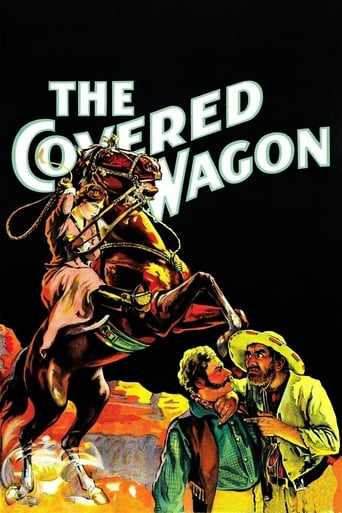
Molly Wood arrives in a small western town to be the new schoolmarm. The Virginian, foreman on a local ranch, takes a shine to her, and vows that he will make her love him. The Virginian's best friend, Steve, falls in with bad guys led by Trampas. The Virginian catches them cattl.
Cast & crew
More films like this
More Western films
View all →

More from Tom Forman
View all →
More about this film
About the production
Release dateNovember 4, 1923
BudgetNot documented in historical records
Box officeBox office records from 1923 are incomplete, but the film appears to have been moderately successful
ProductionFamous Players-Lasky Corporation
Filmed inCalifornia (standing in for Wyoming), Paramount Studios lot
This was the third film adaptation of Owen Wister's influential western novel, following versions from 1914 and 1921. The production faced the typical challenges of early 1920s outdoor filming, including transporting heavy equipment to remote locations and working with live cattle for rustling scenes. Director Tom Forman, a former actor, worked closely with the cast to achieve the emotional depth required for the story's dramatic moments, particularly the moral dilemma of the hanging sequence.
Themes
Friendship versus dutyThe civilizing influence of women on the frontierJustice and law in the American WestThe transformation of the frontierMoral courage and personal integrity
Themes & topics
westerncowboyschoolmarmcattle rustlingfriendshipmoral dilemmaWyomingranchrevengelove storyhanginggunfightfrontier justice
Historical background
The Virginian (1923) reached screens through Famous Players-Lasky Corporation. Exhibitors of the time built silent-era bills that mixed shorts, features, and live acts, so a clear premise helped The Virginian travel between cities and exchange markets.
Why this film matters
Archivists and revival programmers still cite The Virginian (1923) when tracing studio habits, casting pools, and the visual rhetoric audiences once took for granted. Even modest surviving prints help map how The Virginian fit beside competing releases of its day.
Making of
The production of 'The Virginian' in 1923 required careful coordination of both studio and location shooting. Director Tom Forman, who had transitioned from acting to directing in the early 1920s, brought his understanding of performance to the emotional scenes, particularly the moral conflict faced by the title character. The cattle rustling sequences presented significant challenges, requiring the wrangling of actual cattle and horses while ensuring the safety of the cast and crew. The hanging scene, a dramatic centerpiece of the film, would have been carefully staged to be convincing while adhering to the moral standards and censorship guidelines of the era. The production team utilized California's diverse landscapes to stand in for Wyoming, a common practice in Hollywood westerns of the period.
What critics said
Trade coverage around 1923 discussed The Virginian for pacing, clarity, and program fit rather than blockbuster grosses. Later writers value it as evidence of period style and as a reference point beside other films from the same era.
Did you know?
- This was the third film adaptation of Owen Wister's novel, following earlier versions in 1914 and 1921
- The novel 'The Virginian' is considered the first true western novel and established many conventions of the genre
- Kenneth Harlan was a popular leading man in silent films, appearing in over 150 films between 1916 and 1940
- Florence Vidor was one of the highest-paid actresses of the 1920s before retiring from films in 1929
- Director Tom Forman had been an actor before turning to directing, appearing in films with D.W. Griffith
- The film was produced during the peak years of the silent western genre, before sound revolutionized filmmaking
- Russell Simpson would later become known for his character roles in John Ford films, including 'The Grapes of Wrath'
- The story's famous line 'When you call me that, smile!' originated in Wister's 1902 novel
- The film's production coincided with the growing popularity of cowboy stars like Tom Mix and William S. Hart
- The hanging scene would have been controversial even in 1923, as it depicted the execution of a sympathetic character
Visual style
The cinematography of 'The Virginian' employed the techniques typical of quality silent film production in the early 1920s. The filmmakers utilized California's diverse landscapes to suggest the Wyoming setting, employing wide shots to establish the vastness of the western frontier. The visual style would have included dramatic lighting for emotional scenes, particularly in the confrontation sequences and the hanging scene. The camera work likely included tracking shots for the cattle rustling sequences and carefully composed static shots for dramatic moments. The intertitles would have been integrated into the visual flow of the film, with careful attention to typography and placement to maintain narrative continuity. The cinematography served to create a believable western atmosphere while supporting the story's emotional and dramatic requirements.
Innovations
The film employed standard production techniques for its era, with no particularly innovative technical achievements noted in historical records. However, it did utilize the increasing sophistication of location shooting that was becoming more common in the early 1920s as cameras became more portable. The coordination of large-scale scenes with cattle and multiple riders demonstrated the growing expertise of Hollywood crews in handling complex outdoor sequences. The production would have used the standard film stock of the period, likely 35mm nitrate film, which presented challenges for preservation but allowed for the high-quality images expected from a major studio production. The film's special effects would have been limited to practical effects, particularly in the action sequences and the back-shooting scene.
Music
As a silent film, 'The Virginian' would have been accompanied by live musical performance in theaters of varying sizes. The score would have typically included a mix of popular songs from the 1920s, classical pieces, and specially composed themes for the main characters and situations. Larger theaters would have employed full orchestras to perform the score, while smaller venues would have used a piano or organ accompaniment. The music would have been carefully cued to the action on screen, with romantic themes for scenes between Molly and the Virginian, dramatic music for conflict scenes, and suspenseful music for the rustling sequences. The quality and style of the musical accompaniment could significantly affect audience reception of the film, as was typical for silent era productions.
Famous quotes
When you call me that, smile!
A man's got to do what he's got to do.
The West is not a place, it's a way of life.
Justice must be served, even when it breaks the heart.
Memorable scenes
- The Virginian first seeing Molly Wood arrive in town by stagecoach
- The cattle rustling sequence where the Virginian must confront his friend Steve
- The hanging scene, showing the Virginian's moral struggle as foreman
- The back-shooting of the Virginian by Trampas
- Molly nursing the wounded Virginian back to health
- The final confrontation between the Virginian and Trampas on the wedding day
What audiences thought
The film appears to have been moderately successful with audiences in 1923, benefiting from the popularity of its source material and the western genre's strong appeal to moviegoers of the era. The story's emotional elements, particularly the moral dilemma faced by the Virginian in ordering his friend's hanging, resonated with audiences who appreciated films with dramatic depth. The romance between the Virginian and Molly Wood provided additional appeal to female moviegoers. However, it did not achieve the blockbuster status of some other westerns of the period, particularly those starring established cowboy icons like Tom Mix, who had developed devoted fan bases. The film's reception indicated that audiences were receptive to more serious western dramas alongside the action-oriented cowboy pictures that dominated the genre.
Film connections
Influenced by
- Owen Wister's 1902 novel 'The Virginian'
- Earlier film adaptations from 1914 and 1921
- The growing popularity of western films starring Tom Mix and William S. Hart
- D.W. Griffith's narrative techniques from his early westerns
This film influenced
- The Virginian (1929)
- The Virginian (1946)
- Numerous westerns dealing with moral complexity and friendship versus duty
- Television adaptations of 'The Virginian' story
Film restoration
The preservation status of the 1923 version of 'The Virginian' is uncertain, as is the case with many silent films. The volatile nature of early nitrate film stock and the neglect of silent era films in the decades following their release resulted in the loss of a significant percentage of films from this period. However, given that it was a Paramount production based on a famous novel, there is a possibility that copies exist in film archives or private collections. The film is not currently widely available on home video or streaming platforms, suggesting that if it survives, it may only be accessible through specialized film archives.
Where to watch
- The Library of Congress (if preserved in their collection)