Florence Vidor
Actor
Born: July 23, 1895 in Houston, Texas, USA Died: November 3, 1977 Active: 1916-1929 Birth Name: Florence Arto Coburn
Films
11 films

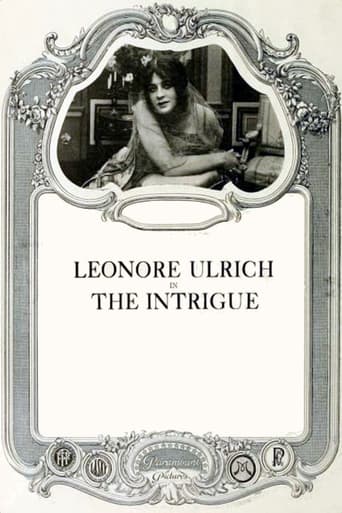
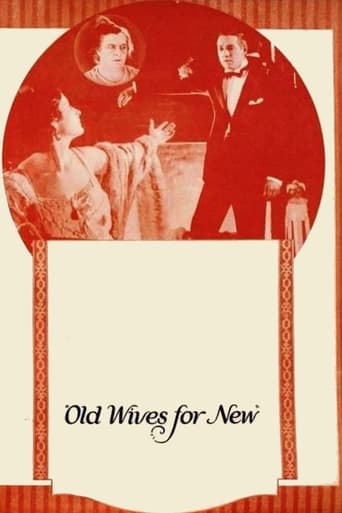
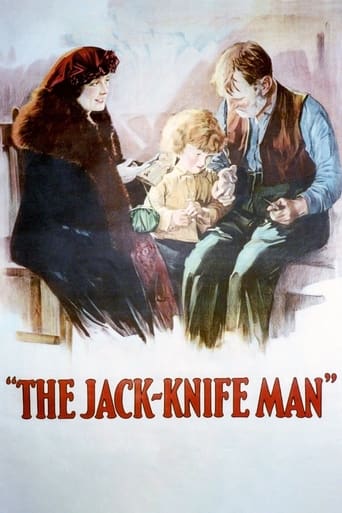
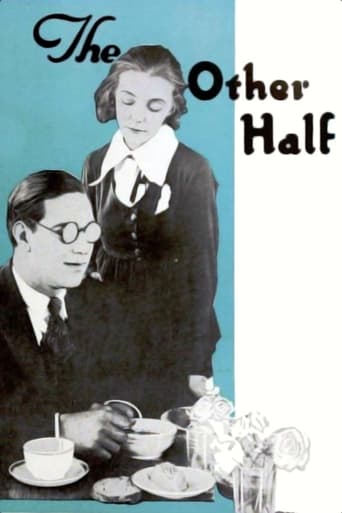
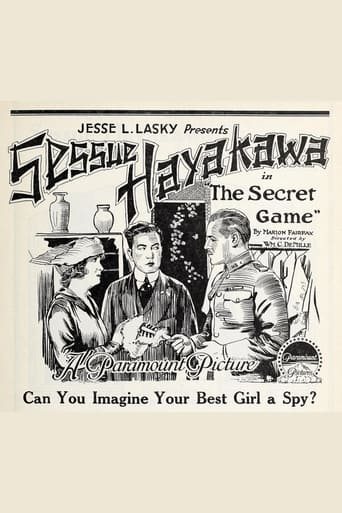


About Florence Vidor
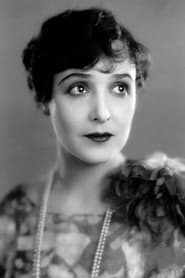
Florence Vidor was elegant and sophisticated actresses of the silent era, known for her refined beauty and naturalistic acting style. Born Florence Coburn in Houston, Texas, she began her career as a model before being discovered by film director King Vidor, whom she would later marry. Her breakthrough came in the early 1920s when she became a leading lady for Paramount Pictures, starring in numerous successful silent films that showcased her versatility and emotional depth. Vidor's performances were characterized by their subtlety and restraint, setting her apart from the more melodramatic acting styles common in silent cinema. She worked with prominent directors including Ernst Lubitsch and appeared opposite leading men such as Ronald Colman and Clive Brook. Despite her tremendous success, Vidor's career was cut short by the advent of sound films, as she struggled with a speech impediment that made the transition to talkies difficult. She retired from acting in 1929 but remained connected to the film industry through her social connections and brief foray into producing. Her legacy endures as graceful and talented actresses of the silent era, whose performances continue to be appreciated by film historians and classic cinema enthusiasts.
The Craft
On Screen
Florence Vidor was known for her naturalistic and understated acting style, which was revolutionary for the silent era. She avoided the exaggerated gestures and facial expressions common among her contemporaries, instead favoring subtle emotional conveyance through her eyes and delicate movements. Her performances were marked by an innate grace and sophistication that made her particularly effective in romantic dramas and sophisticated comedies. Vidor had a unique ability to convey complex emotions with minimal physical action, creating a sense of realism that resonated with audiences and critics alike. Her screen presence was ethereal yet approachable, allowing her to portray both aristocratic ladies and relatable characters with equal authenticity.
Milestones
- Film debut in 'The Chorus Girl' (1916)
- Breakthrough role in 'The Family Honor' (1920)
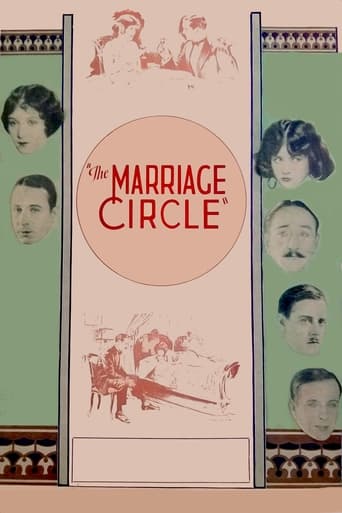
- Starred in Ernst Lubitsch's 'The Marriage Circle' (1924)
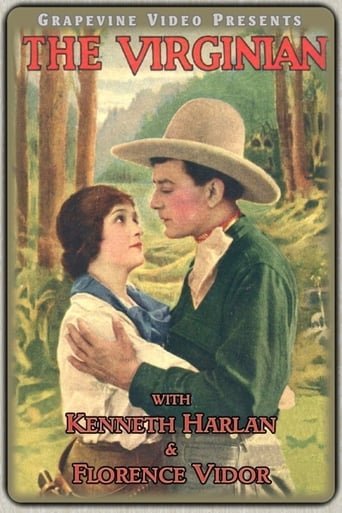
- Leading role in 'The Virginian' (1923)
- Final film appearance in 'Chinatown Nights' (1929)
Best Known For
Iconic Roles
Must-See Films
Accolades
Special Recognition
- Hollywood Walk of Fame star at 6901 Hollywood Boulevard
Working Relationships
Worked Often With
Studios
Why They Matter
Impact on Culture
Florence Vidor represented the transition from theatrical acting to more naturalistic performance styles in cinema, helping to establish a new standard for film acting during the silent era. Her work with European directors like Ernst Lubitsch helped bring sophisticated Continental sensibilities to American cinema, influencing the development of romantic comedy as a genre. Vidor's elegant screen persona embodied the modern, independent woman of the 1920s, reflecting the changing social attitudes toward women's roles in society. Her career trajectory, from stardom to early retirement, exemplified the challenges many silent film actors faced with the transition to sound, making her story representative of a pivotal moment in film history. Her collaborations with leading directors of the era contributed to some of the most artistically significant films of the 1920s, works that continue to be studied by film scholars and appreciated by classic cinema enthusiasts.
Lasting Legacy
Florence Vidor's legacy endures through her body of work in silent cinema, particularly her collaborations with master directors like Ernst Lubitsch and her former husband King Vidor. Her films are preserved and screened at film archives and festivals dedicated to classic cinema, where her performances continue to be admired for their subtlety and sophistication. Vidor is remembered as. Her marriage to Jascha Heifetz also connected her to classical music history, making her a notable figure in both artistic worlds. Film historians often cite her as an example of the tragic impact of the transition to sound films on talented silent era performers, whose careers were cut short despite their artistic abilities. Her star on the Hollywood Walk of Fame ensures her contribution to cinema is permanently commemorated.
Who They Inspired
Florence Vidor influenced subsequent generations of actors through her naturalistic approach to film acting, which contrasted sharply with the theatrical style prevalent in early cinema. Her work with Ernst Lubitsch helped establish the sophisticated romantic comedy genre, which would later influence countless filmmakers and actors. Many actresses of the late silent and early sound era cited Vidor as an inspiration for her ability to convey emotion with subtlety and grace. Her performances demonstrated that film acting required different techniques than stage acting, contributing to the evolution of screen acting as a distinct art form. The elegance and sophistication she brought to her roles helped establish a new standard for leading ladies in Hollywood, influencing how female characters were portrayed in American cinema.
Off Screen
Florence Vidor's personal life was marked by her high-profile marriage to director King Vidor, which began in 1916 and ended in divorce in 1925. The couple had one daughter, Suzanne, born in 1920. Following her divorce from King Vidor, she married violinist Jascha Heifetz in 1928,. Her marriage to Heifetz lasted until her death in 1977, spanning nearly fifty years. Vidor was known for her intelligence, wit, and sophisticated social circle, which included many prominent figures in both the film and classical music worlds. After retiring from acting, she devoted herself to her family and philanthropic work, maintaining a relatively private life away from the Hollywood spotlight.
Education
Attended Houston public schools and studied music in her youth
Family
- King Vidor (1916-1925)
- Jascha Heifetz (1928-1977)
Did You Know?
- Was discovered by director King Vidor while working as a model in a Houston department store
- Her real name was Florence Coburn, but she took Vidor as her stage name after marrying King Vidor
- Had a speech impediment that made the transition to sound films difficult
- Was one of the highest-paid actresses of the silent era, earning $3,000 per week at her peak
- Her divorce from King Vidor was highly publicized and considered scandalous at the time
- After retiring from films, she became an accomplished painter and sculptor
- Was fluent in French, which helped her work with European directors
- Her daughter Suzanne became a respected photographer
- Was a founding member of the Motion Picture Relief Fund
- Turned down several offers to return to films in the 1930s, preferring her private life
- Maintained lifelong friendships with many of her silent film colleagues
- Was an avid collector of rare books and manuscripts
In Their Own Words
Acting in silent films was like dancing with your emotions - every movement had to mean something.
The camera sees everything, especially what you try to hide. That's why honesty is the actor's greatest tool.
When sound came, I knew my time was up. Some voices were made for the stage, some for the screen, and mine was made for quiet rooms.
Working with Lubitsch taught me that what you don't show can be more powerful than what you do.
I never regretted leaving films. I had my moment, and I prefer to remember it that way.
Frequently Asked Questions
Who was Florence Vidor?
Prominent American silent film actress known for her elegant beauty and naturalistic acting style. Active primarily in the 1920s, she starred in numerous successful films including 'The Virginian' and 'The Marriage Circle' before retiring with the advent of sound films.
What films is Florence Vidor best known for?
Titles linked here include The Virginian (1923), The Marriage Circle (1924).
When was Florence Vidor born and when did she die?
Born July 23, 1895; died November 3, 1977.
What awards did Florence Vidor win?
While Florence Vidor did not receive major acting awards during her career, she was honored with a star on the Hollywood Walk of Fame at 6901 Hollywood Boulevard, recognizing her significant contributions to the film industry.
What was Florence Vidor's acting style?
Florence Vidor was known for her naturalistic and understated acting style, which was revolutionary for the silent era. She favored subtle emotional conveyance through her eyes and delicate movements rather than the exaggerated gestures common among her contemporaries.
Why did Florence Vidor retire from acting?
Florence Vidor retired from acting in 1929 primarily due to a speech impediment that made the transition to sound films difficult. Despite being.
Who was Florence Vidor married to?
Florence Vidor was married twice: first to director King Vidor from 1916 to 1925, and later to renowned violinist Jascha Heifetz from 1928 until her death in 1977.