
Fred Gamble
Actor
Born: March 26, 1868 in Indianapolis, Indiana, USA Died: February 17, 1939 Active: 1915-1928 Birth Name: Frederick Alvin Gamble
Films
2 films
About Fred Gamble
Prolific American character actor during the silent film era — known for his distinctive appearance and reliable supporting performances. Born in Indianapolis in 1868, he began his film career relatively late in life at around age 47, quickly establishing himself as a familiar face in Hollywood productions. Throughout his career from 1915 to 1928, he appeared in over 150 films, often portraying authority figures such as judges, bankers, military officers, and government officials. His dignified presence and natural acting style made him a valuable supporting player in both dramatic and comedic roles. Gamble worked with virtually all the major studios of the era and appeared alongside many of the biggest stars of silent cinema, including Mary Pickford, Douglas Fairbanks, and Harold Lloyd. Despite his extensive filmography, he remained primarily a character actor, never achieving leading man status but becoming recognizable supporting actors of his time. His career effectively ended with the transition to sound films, as his older appearance and established silent film persona didn't translate well to the new medium.
The Craft
On Screen
Fred Gamble was known for his naturalistic and understated acting style, which was somewhat unusual for the exaggerated performances common in silent cinema. He brought a sense of authenticity and gravitas to his roles, particularly when playing authority figures. His performances were marked by subtle facial expressions and controlled gestures, allowing him to convey emotion without the melodramatic flourishes typical of the era. Gamble's dignified presence and reliable delivery made him a favorite among directors seeking believable supporting characters.
Milestones
- Appeared in over 150 silent films
- Worked with major studios including Paramount, Fox, and Universal
- Frequent collaborator with director John Ford
- Played supporting roles alongside Mary Pickford in several films
- Transitioned from stage actor to successful film character actor in his late 40s
Best Known For
Iconic Roles
Must-See Films
Working Relationships
Worked Often With
Studios
Why They Matter
Impact on Culture
Fred Gamble represents the essential but often overlooked character actors who formed the backbone of silent cinema. While never a star, his consistent performances helped establish the credibility of hundreds of films during the golden age of silent movies. His work contributed to the development of the American film language, particularly in the western genre where he frequently appeared. Gamble's career demonstrates how older actors could find success in the new medium of cinema, bringing stage experience and maturity to early film performances. His filmography serves as a valuable record of the types of supporting roles that gave silent films their depth and texture.
Lasting Legacy
Fred Gamble's legacy lies in his extensive body of work that survives as proof of the craft of character acting in silent cinema. With over 150 film appearances, he represents the journeyman actor who provided essential support to the stars of his era. His performances, particularly in John Ford's early westerns, are studied by film historians for their authenticity and naturalistic quality within the silent film context. Gamble's career trajectory also illustrates the challenges many silent era actors faced with the advent of sound, as his film career ended just as the transition was beginning. Today, he is remembered by silent film enthusiasts and scholars as a reliable presence who elevated every film he appeared in through his professional craftsmanship.
Who They Inspired
While Fred Gamble was not a major star who influenced acting techniques on a broad scale, he influenced younger actors through his example of professionalism and consistency. His naturalistic style in an era of exaggerated acting provided a model for more subtle screen performances. His work with directors like John Ford helped establish the template for character actors in western films, a tradition that would continue throughout Hollywood's history. Gamble demonstrated that character actors could build sustainable careers without achieving stardom, paving the way for future generations of supporting players.
Off Screen
Fred Gamble married actress Josephine Crowell in 1915, and the couple often appeared together in films. Crowell was a prominent character actress herself, known for her work with D.W. Griffith. Their marriage lasted until Gamble's death in 1939. The couple had no children together. Gamble was known in Hollywood circles as a quiet, professional actor who took his craft seriously but avoided the social scene. He invested his earnings wisely and was financially comfortable when he retired from acting.
Education
Limited formal education; likely attended local schools in Indianapolis. He gained his acting experience through stock theater companies before entering films.
Family
- Josephine Crowell (1915-1939)
Did You Know?
- Began his film career at age 47, relatively late for an actor
- Appeared in over 150 films in just 13 years
- Was married to fellow character actress Josephine Crowell
- Often played characters much older than his actual age
- Worked with director John Ford on multiple occasions
- Was a stage actor before entering films
- His film career ended just as sound films were becoming dominant
- Often played authority figures despite never having served in the military or held such positions in real life
- Was known for his distinctive mustache and dignified bearing
- Retired comfortably from acting and lived in Hollywood until his death
In Their Own Words
No widely documented famous quotes; as a character actor, he was known more for his performances than his statements
Frequently Asked Questions
Who was Fred Gamble?
Screen credits include over 150 films between 1915 and 1928. He was known for playing authority figures such as judges, bankers, and military officers, often working with major studios and directors like John Ford.
What films is Fred Gamble best known for?
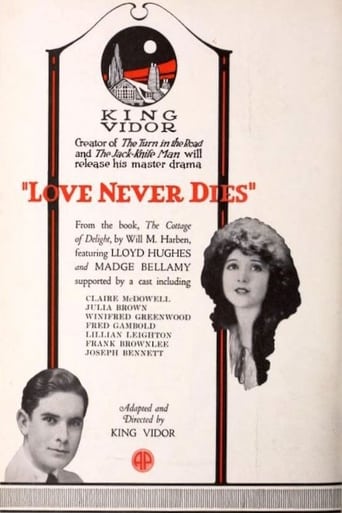
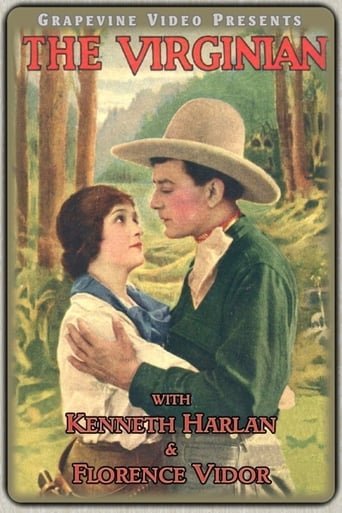
Titles linked here include Love Never Dies (1921), The Virginian (1923).
When was Fred Gamble born and when did he die?
Born March 26, 1868; died February 17, 1939.
What awards did Fred Gamble win?
Fred Gamble did not receive any major awards or nominations during his career. Like many character actors of his era, his contributions were recognized through consistent employment rather than formal accolades.
What was Fred Gamble's acting style?
Fred Gamble was known for his naturalistic and understated acting style, which was unusual for the exaggerated performances common in silent cinema. He brought authenticity to his roles through subtle expressions and controlled gestures, particularly when portraying authority figures.
Was Fred Gamble married?
Yes, Fred Gamble married actress Josephine Crowell in 1915, and they remained married until his death in 1939. Crowell was also a prominent character actress, and the couple sometimes appeared together in films.
Why did Fred Gamble's career end?
Fred Gamble's film career ended around 1928, just as the transition to sound films was beginning. Like many older character actors from the silent era, his established persona and appearance didn't translate well to the new medium, and he retired from acting rather than attempting to adapt to sound films.