
Milton Ross
Actor
Born: December 2, 1888 in California, USA Died: August 21, 1942 Active: 1919-1936
Films
9 films

About Milton Ross
American character actor who found his niche during the golden age of silent cinema, primarily working in supporting roles throughout the late 1910s and early 1920s. Born in California in 1888, Ross entered the film industry during the transitional period when Hollywood was establishing itself as the epicenter of American cinema. He quickly became a reliable presence in numerous productions, appearing in over 70 films between 1919 and 1936, with his most prolific period occurring during the silent era. Ross worked with several prominent directors of the time and appeared alongside some of the biggest stars of the period, though he never achieved leading man status himself. His the transition from silent films to early talkies, though his prominence diminished as the sound era began. Ross continued working in smaller roles through the 1930s before his death in 1942, leaving behind a substantial body of work that exemplifies the character actor's importance in early Hollywood cinema.
The Craft
On Screen
As a character actor of the silent era, Milton Ross specialized in expressive physical acting and facial expressions to convey emotion and character traits. His style was typical of the period's supporting actors, relying heavily on exaggerated gestures and clear visual storytelling to communicate with audiences without dialogue. Ross had a versatile presence that allowed him to play various character types, from authority figures to everyday citizens, adapting his performance style to suit the dramatic needs of each production.
Milestones
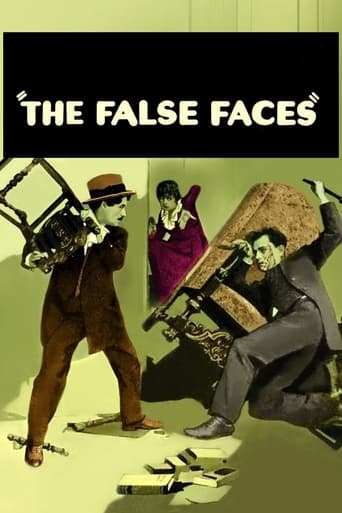
- Breakthrough role in The False Faces (1919)
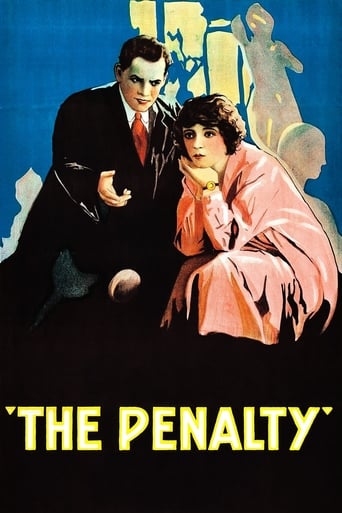
- Notable performance in The Penalty (1920) starring Lon Chaney
- Transition to sound films in early 1930s
- Appeared in over 70 films during his career
- Worked during the pivotal transition from silent to sound cinema
Best Known For
Iconic Roles
Must-See Films
Working Relationships
Worked Often With
Studios
Why They Matter
Impact on Culture
Milton Ross represents the essential but often overlooked character actors who formed the backbone of silent cinema. While never achieving star status, his contributions to dozens of films helped create the rich, immersive worlds that silent-era audiences expected from their moviegoing experience. Ross's work during the transition from silent to sound films exemplifies the challenges and adaptations required of actors during this pivotal period in film history. His career shows the working actors who provided consistency and reliability to the studio system, ensuring that films had the depth and texture needed to support their leading stars.
Lasting Legacy
Milton Ross's legacy lies in his substantial body of work that survives as part of the silent film archive, providing modern audiences with authentic examples of character acting from early Hollywood. His appearances alongside legendary figures like Lon Chaney in films such as The Penalty ensure his place in film history, even if his name is not widely recognized today. Ross represents the thousands of working actors who were essential to the studio system's success during Hollywood's formative years. His filmography serves as valuable documentation of the types of supporting roles and acting styles that characterized American cinema during the silent era and early sound period.
Who They Inspired
As a character actor rather than a star, Milton Ross's direct influence on other actors is not extensively documented, but his work exemplified the professional standards and techniques that characterized reliable supporting players of the silent era. His ability to adapt to various roles and work consistently across different productions demonstrated the versatility required of character actors in the studio system. Ross's career trajectory from the peak of the silent era through the transition to sound provides a case study in the challenges faced by many actors during this transformative period in cinema history.
Off Screen
Milton Ross was born and raised in California, making him part of the early generation of Hollywood actors who were native to the film industry's emerging home base. Like many character actors of his era, he maintained a relatively private personal life while building a steady career in supporting roles. Ross married and had children, though specific details about his family life remain limited in historical records. His active years covered the Great Depression years, a challenging period for many actors in Hollywood, particularly those in supporting roles. Ross continued working in the film industry until his death in Los Angeles in 1942 at the age of 53.
Education
Educational background not documented in available historical records
Family
- Married (specific spouse name not documented in available records)
Did You Know?
- Appeared in over 70 films during his 17-year career
- Worked during the entire transition from silent films to talkies
- Born in California, making him part of early Hollywood's homegrown talent
- Often played authority figures and respectable citizens
- His most prolific period was 1919-1923, the height of the silent era
- Worked with legendary horror star Lon Chaney in The Penalty (1920)
- Continued getting roles even as many silent-era actors struggled with the transition to sound
- Died relatively young at age 53 in 1942
- Never achieved leading man status but maintained steady employment
- Part of the essential but often overlooked character actor community in early Hollywood
In Their Own Words
No famous quotes documented in available historical records
Frequently Asked Questions
Who was Milton Ross?
American character with credits in this catalog. He appeared in over 70 films, often playing authority figures and everyday characters, working alongside major stars of the time including Lon Chaney.
What films is Milton Ross best known for?
Titles linked here include The False Faces (1919), The Penalty (1920).
When was Milton Ross born and when did he die?
Born December 2, 1888; died August 21, 1942.
What awards did Milton Ross win?
Milton Ross did not receive any major awards or nominations during his career. Like many character actors of his era, he worked steadily without receiving the formal recognition that leading stars sometimes achieved, though his contributions to dozens of films were valuable to the studio system.
What was Milton Ross's acting style?
Milton Ross's acting style was typical of character actors in the silent era, relying on expressive physical acting, facial expressions, and exaggerated gestures to convey emotion and character without dialogue. He was versatile enough to play various character types and adapted his performances to suit the dramatic needs of each production.