

The End of the Game
"Gold-rush love poisoned by lies"
Keys: Space play/pause · ←/→ 10s · F fullscreen · M mute · </> speed
About this film
A love story that takes place at the time of the gold rush. Prospector Allister Burke is in love with Mary, but he believe the slanderous lies that are spread by Burke, his competitor.
Cast & crew
More films like this
More about this film
About the production
Release dateNovember 30, 1919
Box officeUnknown
ProductionJesse D. Hampton Productions
Filmed inCalifornia, USA
The film was produced during the tail end of World War I and released during the Spanish Flu pandemic, which may have affected its theatrical run. As a silent film, it relied heavily on visual storytelling and intertitles to convey the narrative. The production likely utilized existing studio sets and California locations that could double for gold rush territories.
Themes
Love and romanceDeception and slanderGold rush and frontier lifeTrust and betrayalPerseverance and determination
Themes & topics
Historical background
The End of the Game appeared in 1919, when the silent era before Hollywood consolidated into a studio system shaped how movies were financed, distributed, and discussed. Audiences of the day encountered the work amid shifting tastes in acting, pacing, and spectacle. Its focus on a love story that takes place at the time of the gold rush mirrors themes circulating in popular culture of that moment.
Why this film matters
The End of the Game (1919) belongs to the wider archive of world cinema, documenting a love story that takes place at the. Archivists and historians value such titles for what they reveal about craft, genre, and audience expectations. Restorations and festival screenings keep the work visible to viewers far beyond its first run.
Making of
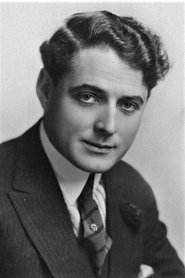
The production of 'The End of the Game' took place during a transformative period in Hollywood history. The film industry was consolidating, with studios becoming more organized and professional. Jesse D. Hampton, though primarily known as a producer, took the directorial reins for this project, bringing his production expertise to the creative process. The casting of J. Warren Kerrigan reflected his status as one of the era's biggest stars, though his career would later be affected by controversy regarding his military service during World War I. The film was shot on location in California, taking advantage of the state's diverse landscapes to represent gold rush territories. As with many silent films, actors had to convey complex emotions through exaggerated gestures and facial expressions, a technique that would evolve throughout the 1920s toward more naturalistic performances.
What critics said
Press coverage from 1919 is fragmentary for many titles of this vintage; surviving notices for The End of the Game tend to stress novelty, star power, or topical appeal. Later writing places the picture within its national and generic context, weighing both period conventions and moments that still land for modern viewers. Streaming and disc releases have revived discussion among classic-film audiences.
Did you know?
- The film was released just after World War I ended, during a period when American audiences were eager for escapist entertainment.
- J. Warren Kerrigan was especially popular leading men of the silent era, commanding substantial salaries for his performances.
- Director Jesse D. Hampton was primarily known as a producer rather than a director, making this film somewhat unusual in his filmography.
- The gold rush setting was particularly popular in 1910s cinema, capitalizing on American frontier mythology.
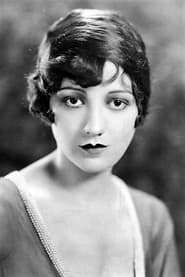
- Lois Wilson would go on to become among the leading respected actresses of the 1920s, appearing in numerous acclaimed productions.
- The film was released by Robertson-Cole Distributing Corporation, which would later become part of Film Booking Offices of America (FBO).
- Silent films from this period were often accompanied by live musical performances in theaters, with specific scores composed for major releases.
- The film's title refers to both the literal end of prospecting claims and the metaphorical end of the romantic game between the characters.
- 1919 was a significant year for cinema as it marked the transition from short films to feature-length productions becoming the industry standard.
Visual style
The cinematography of 'The End of the Game' would have reflected the standard practices of 1919 filmmaking. The film was likely shot on black and white film stock, with the cinematographer using natural light when filming on location and artificial lighting when shooting on studio sets. Camera movements were typically limited, with static shots being the norm, though some tracking shots may have been employed. The gold rush setting would have provided opportunities for dramatic exterior shots of landscapes, mining camps, and action sequences. The visual storytelling relied heavily on composition and lighting to convey emotion and atmosphere, as the film lacked synchronized dialogue. Close-ups would have been used to highlight emotional moments, particularly for the romantic scenes between the leads. The cinematography would have served the narrative needs while working within the technical limitations of the era.
Innovations
The End of the Game does not appear to have been a technically innovative film for its time. The production would have utilized standard filmmaking technology of 1919, including hand-cranked cameras, artificial lighting equipment, and standard editing techniques. The film may have employed some location shooting, which was becoming more common as equipment became more portable. The use of intertitles to convey dialogue and exposition was standard practice for silent films of this era. The film's 50-minute runtime was typical for features of the period, representing the industry's move toward longer narrative films. While not groundbreaking technically, the film would have benefited from the general improvements in film stock quality, camera stability, and editing sophistication that had occurred throughout the 1910s. The production likely adhered to the evolving standards of continuity editing and visual storytelling that were becoming established in Hollywood during this period.
Music
As a silent film, 'The End of the Game' would have been accompanied by live musical performances during its theatrical run. Large theaters typically employed full orchestras, while smaller venues might have used a pianist or small ensemble. The score would have been compiled from existing classical pieces, popular songs, and specially composed cues that matched the film's mood and action. Romantic scenes would have been underscored with lush, emotional music, while action sequences would have featured more dramatic and rhythmic compositions. The gold rush setting might have inspired the use of American folk themes or frontier-style melodies. Some theaters may have used cue sheets provided by the distributor, which suggested appropriate music for specific scenes. The musical accompaniment was crucial to the audience's emotional experience, as it provided the emotional context that dialogue would in later sound films.
Famous quotes
No surviving quotes available due to the film's lost status and the nature of silent cinema
Memorable scenes
- No detailed scene descriptions available due to the film's apparent lost status
What audiences thought
Audience reception data for 'The End of the Game' is not well-documented, which is typical for films of this period. Box office records were not systematically maintained, and audience surveys were not conducted. The film's success would have depended largely on J. Warren Kerrigan's star power and the public's appetite for romantic melodramas with western settings. The timing of its release in late 1919, during the ongoing Spanish Flu pandemic, may have affected theater attendance. The gold rush theme was popular with audiences of the era, tapping into American frontier mythology that resonated with moviegoers. The film's relatively short runtime of 50 minutes was typical for the period, as feature films were still establishing their standard length. Without detailed trade publication reports or theater records, specific audience reactions and attendance figures remain unknown.
Film connections
Influenced by
- The Gold Rush (1925) - Charlie Chaplin
- The Spoilers (1914) - Various adaptations
- Western frontier literature
- Contemporary gold rush films
This film influenced
- Subsequent gold rush romantic melodramas of the 1920s
- Later films featuring similar love triangle dynamics in western settings
Film restoration
The End of the Game (1919) is believed to be a lost film. No complete copies are known to exist in major film archives or private collections. Like many films from the silent era, particularly those from smaller production companies, it may have been lost due to nitrate film decomposition, studio purges, or neglect. Only production records, promotional materials, and contemporary reviews may survive as documentation of its existence. The film is listed in the American Film Institute catalog and other film databases, but its visual content appears to be unavailable for viewing or preservation.
Where to watch
- This film is currently unavailable for viewing as it is believed to be lost. No known copies exist in film archives, museums, or private collections. Film enthusiasts can research the film through historical records, production stills (if any survive), and contemporary advertisements in film trade publications.