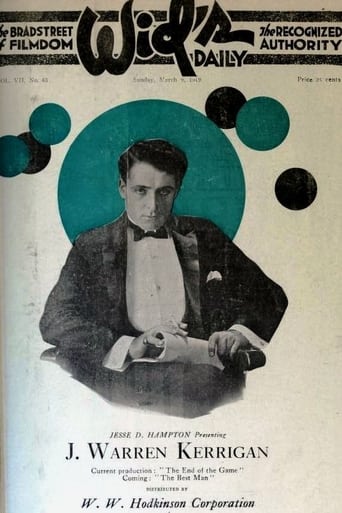
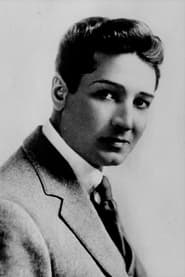
Gayne Whitman
Actor
Born: March 19, 1890 in Chicago, Illinois, USA Died: March 31, 1958 Active: 1914-1949 Birth Name: Alfred Vosburgh
Films
2 films
About Gayne Whitman
Gayne Whitman, born Alfred Vosburgh, was an American actor and radio announcer whose both the silent and sound eras of Hollywood. He began his film career in the mid-1910s, appearing in numerous silent films throughout the 1910s and 1920s, often playing leading man roles in melodramas and action pictures. Whitman successfully transitioned to sound films in the late 1920s, though his roles became increasingly smaller as his career progressed. In addition to his film work, he found considerable success as a radio announcer and actor, becoming recognizable voices on American radio during the 1930s and 1940s. His distinctive voice and diction made him particularly well-suited for the new medium of sound broadcasting. Whitman continued working in both film and radio through the 1940s before retiring from entertainment. His career represents a classic example of a performer who successfully navigated the dramatic transition from silent films to talkies and radio.
The Craft
On Screen
Whitman was known for his clear diction and commanding presence, qualities that served him well in both silent and sound films. In silent pictures, he excelled at melodramatic roles, using expressive body language and facial techniques typical of the era. His transition to sound was smooth due to his excellent vocal quality and enunciation, making him particularly effective in dialogue-heavy scenes and radio work.
Milestones
- Film debut in 1914
- Leading roles in silent films throughout the 1920s
- Successful transition to sound films
- Prominent radio announcing career in the 1930s-40s
- Voice work for numerous radio programs
Best Known For
Iconic Roles
Must-See Films
Accolades
Special Recognition
- Hollywood Walk of Fame star (Radio)
Working Relationships
Worked Often With
Studios
Why They Matter
Impact on Culture
Gayne Whitman represents an important transitional figure in American entertainment history, bridging the gap between silent film and the radio era. His successful adaptation to sound technology demonstrated how some silent film actors could thrive in the new media landscape. As a radio announcer, his voice became familiar to millions of Americans during the golden age of radio, helping to establish standards for broadcast diction and presentation that would influence generations of announcers to follow.
Lasting Legacy
Whitman's legacy lies in his dual contribution to both film and radio history. While not remembered as a major film star, his work as a radio announcer left a lasting impact on broadcast standards and practices. His ability to transition between media during a period of rapid technological change in entertainment exemplifies the adaptability required of performers during the early 20th century. His Hollywood Walk of Fame star recognizes his significant contributions to radio broadcasting.
Who They Inspired
Whitman influenced the field of radio broadcasting through his professional approach and distinctive announcing style. Many aspiring radio announcers of the 1930s and 1940s sought to emulate his clear diction and authoritative delivery. His successful career transition from silent film to radio served as a model for other performers facing similar technological and industry changes.
Off Screen
Gayne Whitman was married twice during his lifetime. His first marriage was to actress Virginia Pearson, though the marriage ended in divorce. He later married Eleanor Taylor, with whom he remained until his death. Beyond his acting career, Whitman was known for his distinctive voice that made him. He lived in Los Angeles during his peak career years and was respected in both the film and radio industries for his professionalism and reliability.
Education
Limited information available about his formal education
Family
- Virginia Pearson (1919-1921)
- Eleanor Taylor (1925-1958)
Did You Know?
- His stage name 'Gayne' was reportedly chosen because it sounded more sophisticated than his birth name
- He was one of the first silent film actors to successfully transition to radio announcing
- His voice was described as 'rich and resonant' by contemporary critics
- He worked as a radio announcer for both NBC and CBS networks
- Despite his radio success, he continued to appear in films through the 1940s
- He often played authority figures in his later film roles due to his voice
- His marriage to Virginia Pearson was highly publicized in Hollywood trade papers
- He was known for his punctuality and professionalism on set
- He served as a mentor to younger radio announcers
- His announcing style was studied by broadcasting students in the 1940s
In Their Own Words
The secret to good announcing is clarity and sincerity - the audience must believe what you're saying
Silent films taught me expression without words, which made me better at conveying meaning with my voice
Radio is the theater of the mind - you paint pictures with words and tone
Frequently Asked Questions
Who was Gayne Whitman?
American with credits in this catalog. Born Alfred Vosburgh in 1890, he had a career spanning from 1914 to 1949, appearing in numerous films and becoming.
What films is Gayne Whitman best known for?
Titles linked here include The End of the Game (1919), The Mask of Lopez (1922).
When was Gayne Whitman born and when did he die?
Born March 19, 1890; died March 31, 1958.
What awards did Gayne Whitman win?
While Gayne Whitman did not receive major film awards or nominations, he was honored with a star on the Hollywood Walk of Fame for his contributions to radio broadcasting. His recognition came primarily from his significant impact on radio announcing and broadcasting standards.
What was Gayne Whitman's acting style?
In silent films, Whitman employed the dramatic, expressive style typical of the era, using body language and facial expressions to convey emotion. His transition to sound was seamless due to his excellent diction and resonant voice, which made him particularly effective in both sound films and radio broadcasting.